Cool-toned lip liner is moving back into focus for fall 2026 as beauty searches shift toward undertones, natural-looking contour and the return of defined '90s lips. The update is noticeably softer than the high-contrast outline many people remember. Instead of drawing a dark border and leaving it untouched, today's version uses taupe, mauve, cocoa and plum pencils as a shadow that is blended toward the center.
The word cool does not mean every pencil must look gray or purple. It means the shade avoids obvious orange, peach or brick warmth. The right depth also depends on your complexion and natural lip color: a pale taupe can define fair skin beautifully but disappear on deep skin, while espresso-plum may create a gentle contour on deep lips and look intentionally dramatic on light skin. These five combinations are starting points rather than rigid shade rules.
A modern cool-toned lip uses a taupe, mauve, cool cocoa, plum or espresso-wine pencil that is one or two levels deeper than the lip color. Trace the natural border, add extra definition only at the cupid's bow and center of the lower lip, then blend the pencil inward before applying balm, lipstick or gloss. The blurred transition is what keeps the '90s contrast looking current.
1. Taupe liner with a rosy nude center

This is the easiest everyday version when warm nude pencils tend to turn orange. Choose a taupe-brown that is slightly deeper than your natural lip edge, then pair it with a muted rosy nude rather than a pale beige. The hint of rose keeps the face lively while the taupe supplies believable shadow.
Keep the strongest definition at the outer corners, cupid's bow and center of the lower lip. Use a fingertip or small lip brush to blur the pencil inward before adding balm or a satin lipstick. If the border is still the first thing you notice from conversational distance, blend once more rather than covering it with a lighter center.
How to create the combination
- Prep with a thin layer of balm, then blot away excess slip.
- Trace the natural border and add only minimal fullness at the center points.
- Shade the outer third of the lips and blur the pencil inward.
- Press a muted rosy nude into the center and tap across the transition.
A useful choice for: Fair to medium complexions, daytime makeup and anyone whose usual nude liner looks peachy or orange.
2. Soft mauve liner with a satin pink-mauve lip
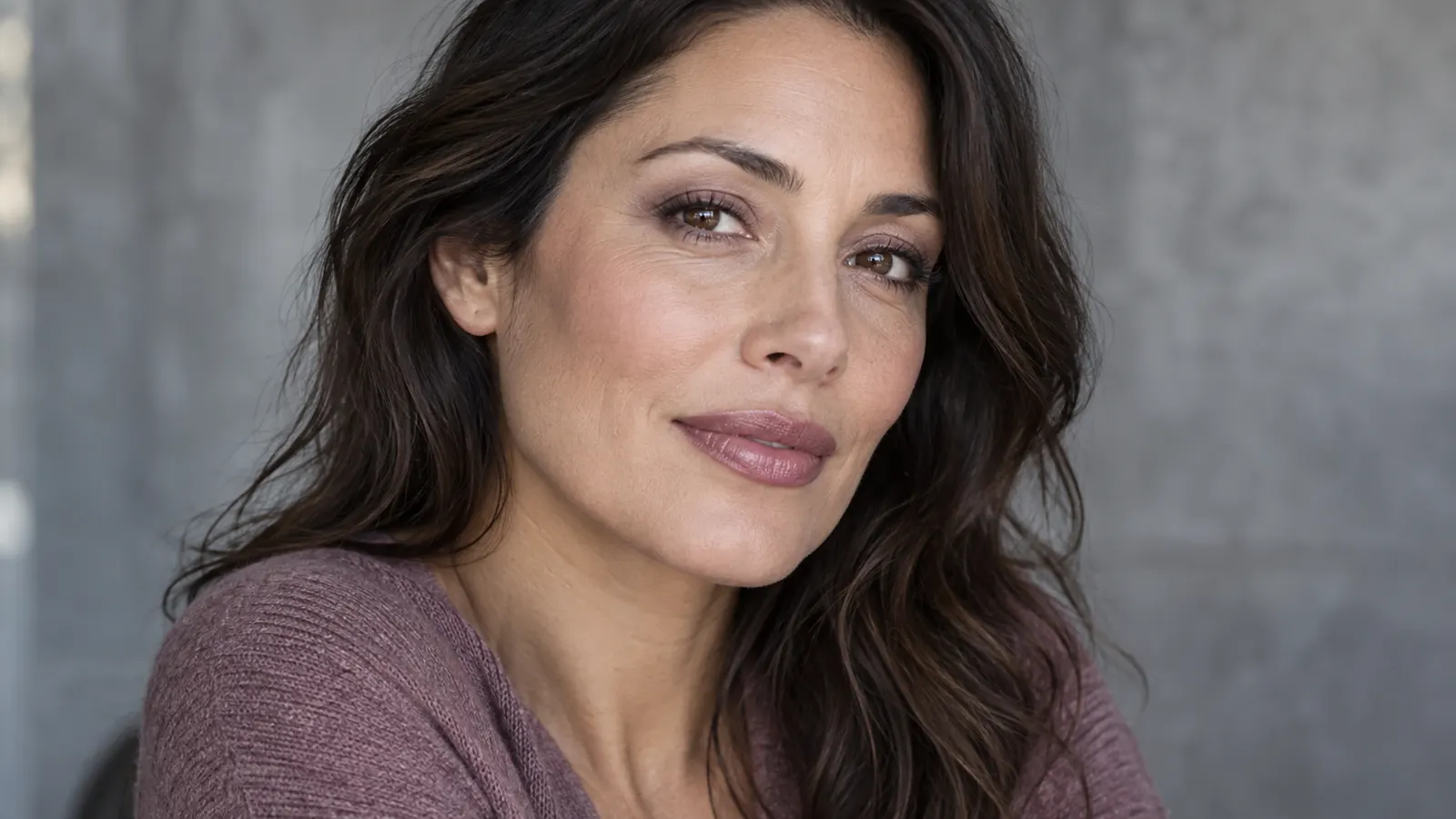
Mauve is useful when you want the trend to look polished rather than brown. A balanced pencil contains pink, violet and brown, so it defines without becoming bubblegum-bright or obviously purple. Pair it with a sheer pink-mauve lipstick and let the natural lip color remain part of the finish.
Instead of outlining in one continuous heavy stroke, sketch short marks around the border and connect them. This gives you more control around asymmetry and fine lines. Fill the corners lightly, then press the lipstick over the entire mouth so the pencil and center share the same satin texture.
How to create the combination
- Choose a muted mauve pencil one level deeper than the lips.
- Build the border with short strokes instead of one hard line.
- Soften the corners with a clean brush or fingertip.
- Layer a sheer pink-mauve lipstick across the full lip.
A useful choice for: Light to medium skin, cool or neutral undertones and understated work-to-dinner makeup.
3. Taupe-brown liner with neutral beige-pink balm
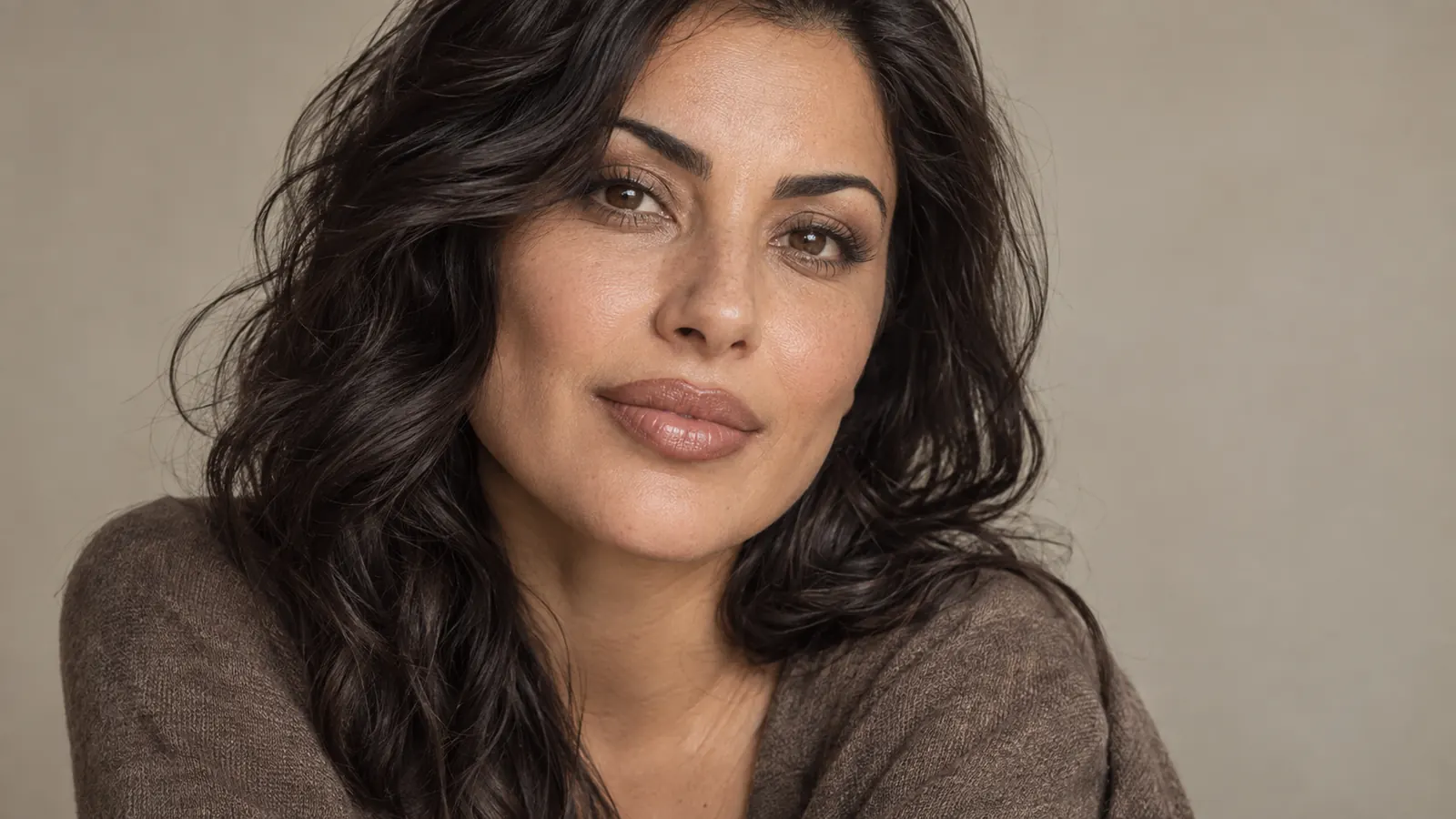
On olive and medium skin, very pale taupe can look chalky while a warm caramel can pull orange. Look for a medium taupe-brown or ashy cocoa with enough depth to remain visible. A neutral beige-pink balm in the center prevents the combination from becoming flat or overly beige.
Swatch the pencil beside the jaw in natural light before judging it. A useful contour shade should resemble a natural shadow against your skin rather than a strip of terracotta. After lining, shade more of the upper lip corners and lower lip edge, leaving the center lighter for subtle dimension.
How to create the combination
- Test whether the pencil reads taupe or orange in daylight.
- Define the corners and lower border, staying close to the natural shape.
- Blend inward until no hard stopping point remains.
- Finish with a neutral beige-pink tinted balm.
A useful choice for: Medium and olive complexions, minimal eye makeup and a softly sculpted everyday lip.
4. Cool plum liner with a translucent berry center
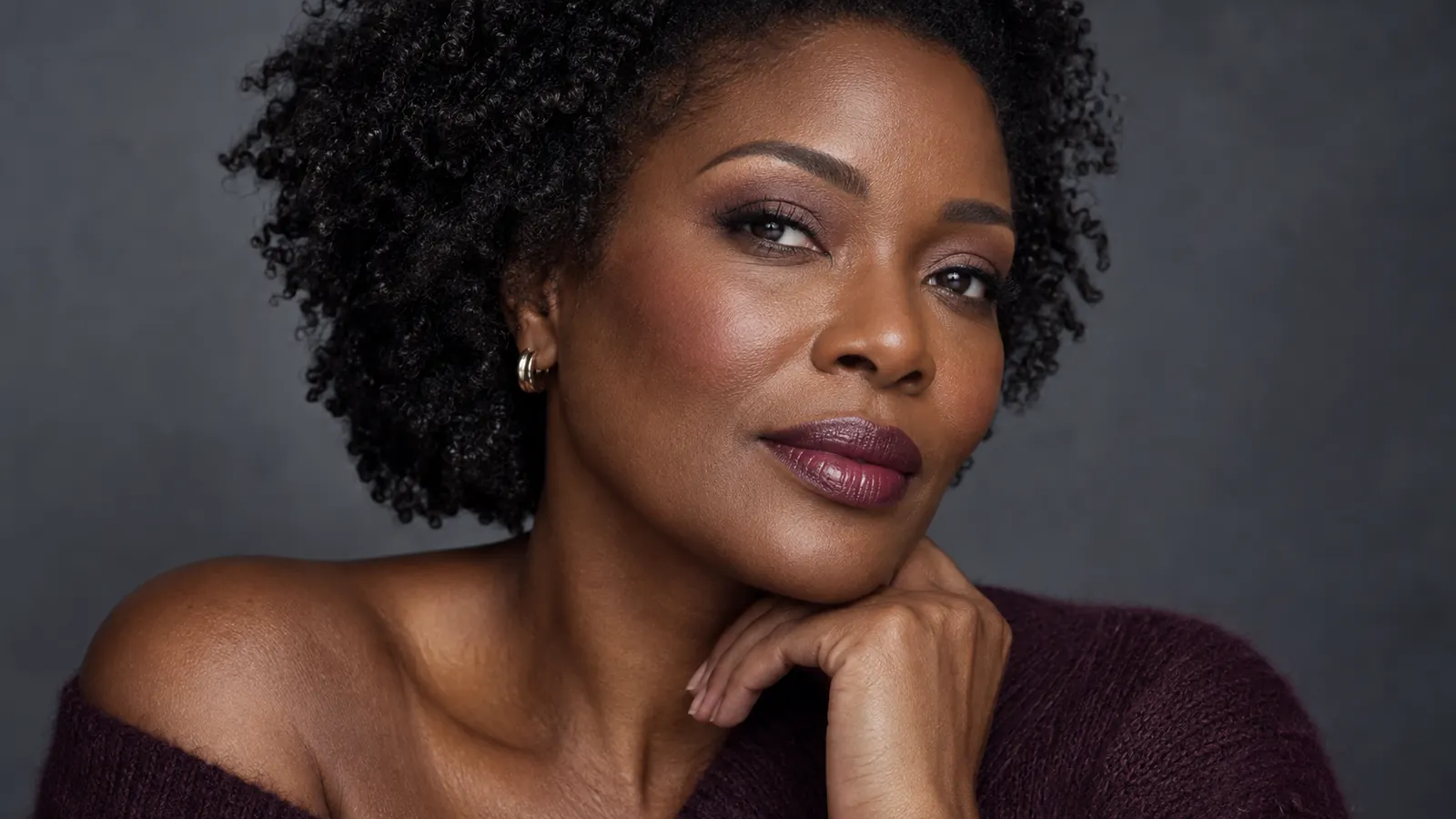
Cool-toned definition does not need to be pale. On deep skin, plum-brown, blackberry and cool mahogany can create the same shadow effect that taupe creates on lighter complexions. The pencil should remain visibly distinct without becoming an opaque black ring around the mouth.
Fill the corners and feather the liner across roughly half of the lip, then tap a translucent berry color through the center. The two shades should overlap enough to form a gradient. A small amount of clear balm on the fullest part of the lips adds light without weakening the rich outline.
How to create the combination
- Select plum-brown or cool mahogany with sufficient depth.
- Outline and softly shade the corners toward the center.
- Tap translucent berry color over the inner lips and overlap the liner.
- Add balm only where you want a subtle highlight.
A useful choice for: Deep complexions, naturally pigmented lips and anyone who wants richer definition without a fully opaque lipstick.
5. Espresso-plum liner with muted wine lipstick
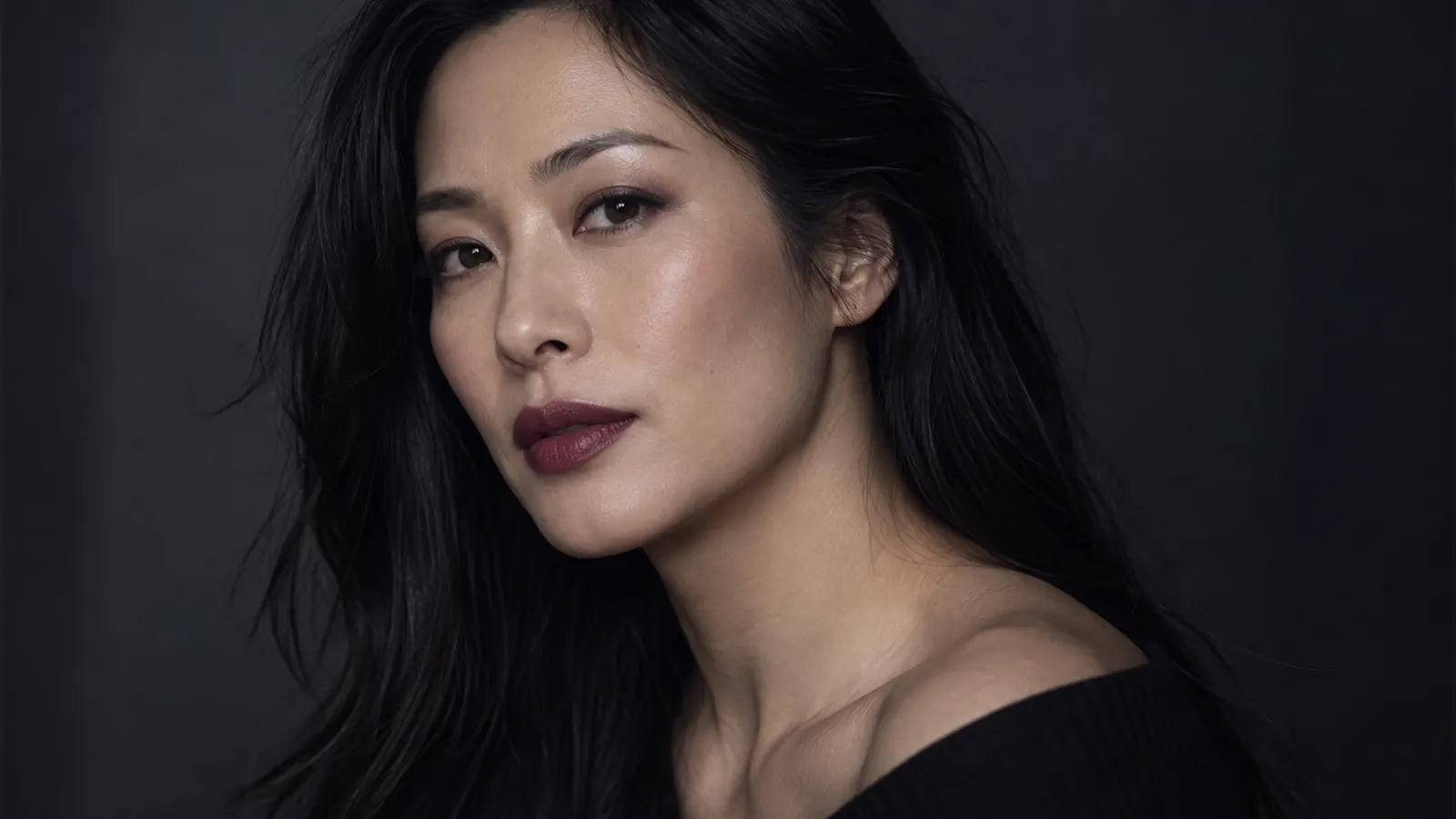
For evening, deepen the palette instead of exaggerating the outline. An espresso pencil with a plum rather than orange-brown base pairs naturally with muted wine lipstick. The color contrast can be stronger than the daytime combinations, but the transition still needs to be diffused.
Apply the wine color first as a stain, blot it, then add the pencil. Working in this order shows exactly how much extra depth the border needs. Blend the pencil over the lipstick at the corners and cupid's bow, then press on one final veil of color. The layered method also wears away more gracefully than a pale center surrounded by a rigid dark edge.
How to create the combination
- Apply muted wine lipstick lightly and blot once.
- Add espresso-plum pencil around the border and corners.
- Blend the liner over the existing stain rather than inward onto bare lips.
- Press on a final thin lipstick layer and refine only where needed.
A useful choice for: Evening makeup, autumn events and anyone who prefers a richer lip with softened edges.
Frequently asked questions
What makes a lip liner cool-toned?
Cool-toned liners lean toward taupe, mauve, plum, ashy cocoa or blue-based brown rather than peach, orange, caramel or brick. The same pencil can appear different beside different skin and natural lip colors, so check it in daylight.
How much should I overline my lips?
For the most natural result, follow the existing border and add only a very small amount at the cupid's bow and center of the lower lip. Avoid extending the outer corners, where overlining is usually easiest to detect.
How do I stop dark liner from looking harsh?
Shade part of the lip with the pencil, blur it inward and overlap it with the center color. A visible gradient looks intentional; a bare gap or abrupt color change creates the ring effect.
Can warm-toned skin wear cool lip liner?
Yes. Undertone is a styling guide, not a rule. Start with a neutral-cool cocoa or plum that has enough depth for your complexion and pair it with a center shade that relates to your natural lip color.
The images in this story were created with AI as original editorial visuals and reviewed to ensure that each image is relevant to the accompanying guidance.