A useful fall skincare routine does not need a complete shelf reset. The most effective change is often reducing unnecessary irritation while adding enough moisture to support comfort as outdoor air cools and indoor heating begins.
The five steps below form a flexible framework rather than a prescription. Introduce one change at a time, pay attention to how your skin responds and seek professional advice for persistent irritation, pain or a condition that needs diagnosis.
Keep cleansing gentle, add hydration only if it helps, use a moisturizer that feels comfortable, continue broad-spectrum sunscreen every morning and protect lips before they become chapped.
1. Make cleansing feel less stripping
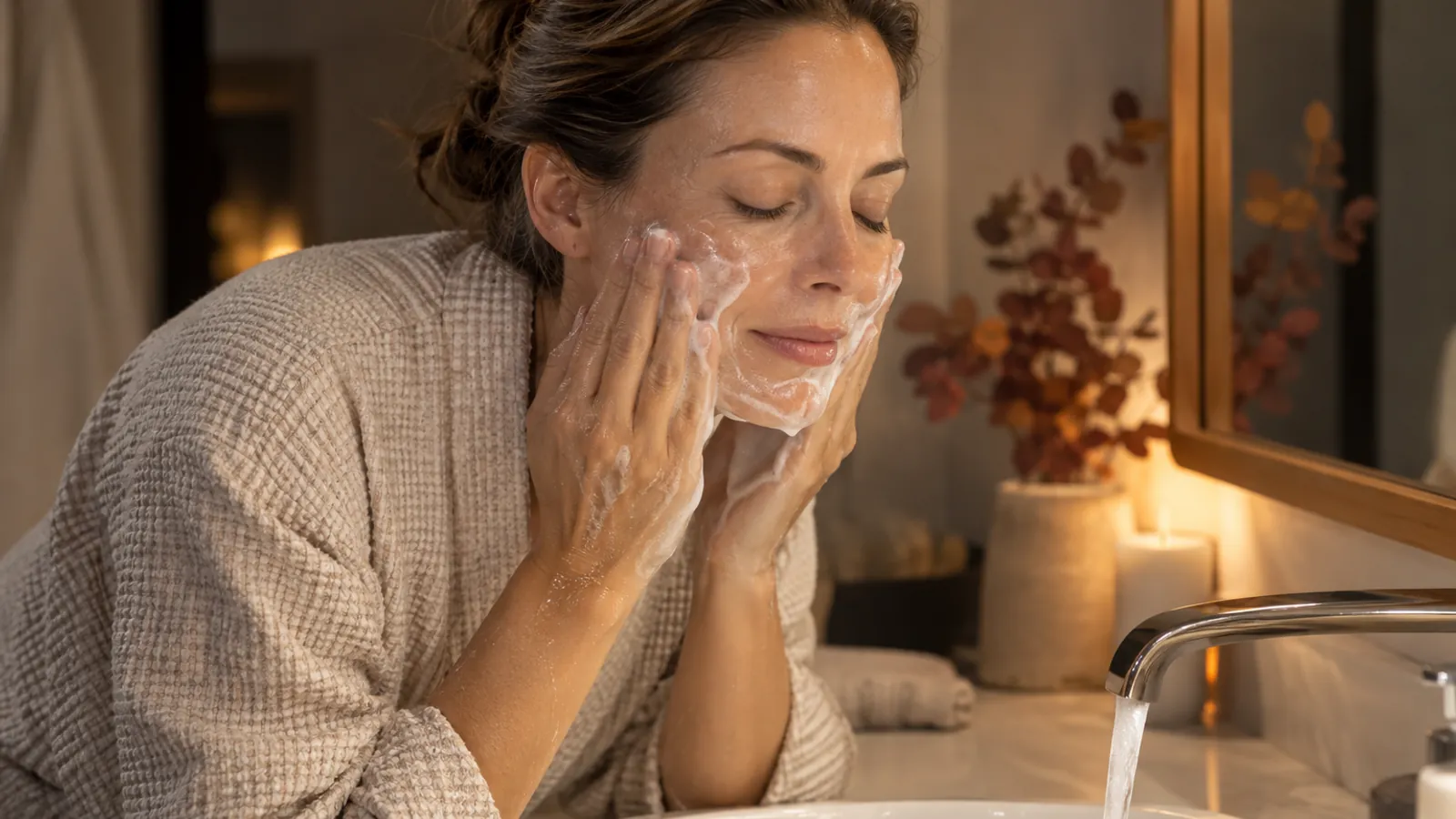
A cleanser that felt refreshing in humid weather may begin to feel too aggressive when the air becomes cooler. Tightness immediately after rinsing is a useful signal to review the formula, water temperature or cleansing frequency.
Use lukewarm water and enough time to remove sunscreen and makeup without scrubbing. A separate first cleanse may help with long-wear products, but more cleansing is not automatically better.
How to make the step work
- Use lukewarm rather than hot water.
- Massage gently with fingertips and avoid abrasive cloths.
- Pat dry and apply the next step while skin is still comfortable.
Consider this when: Skin feels tight, rough or uncomfortable immediately after washing.
2. Add a simple hydrating layer

A hydrating serum or essence can be useful when moisturizer alone feels insufficient, but it is optional. Look for a simple formula and avoid introducing several new active ingredients at once.
Apply a small amount and follow with moisturizer rather than waiting for the layer to dry completely. The goal is comfort, not a sticky stack of products.
How to make the step work
- Patch test a new formula.
- Apply a few drops to slightly damp skin.
- Follow with moisturizer to reduce water loss.
Consider this when: Skin feels dehydrated but does not enjoy a very rich cream.
3. Choose a moisturizer by feel, not season labels
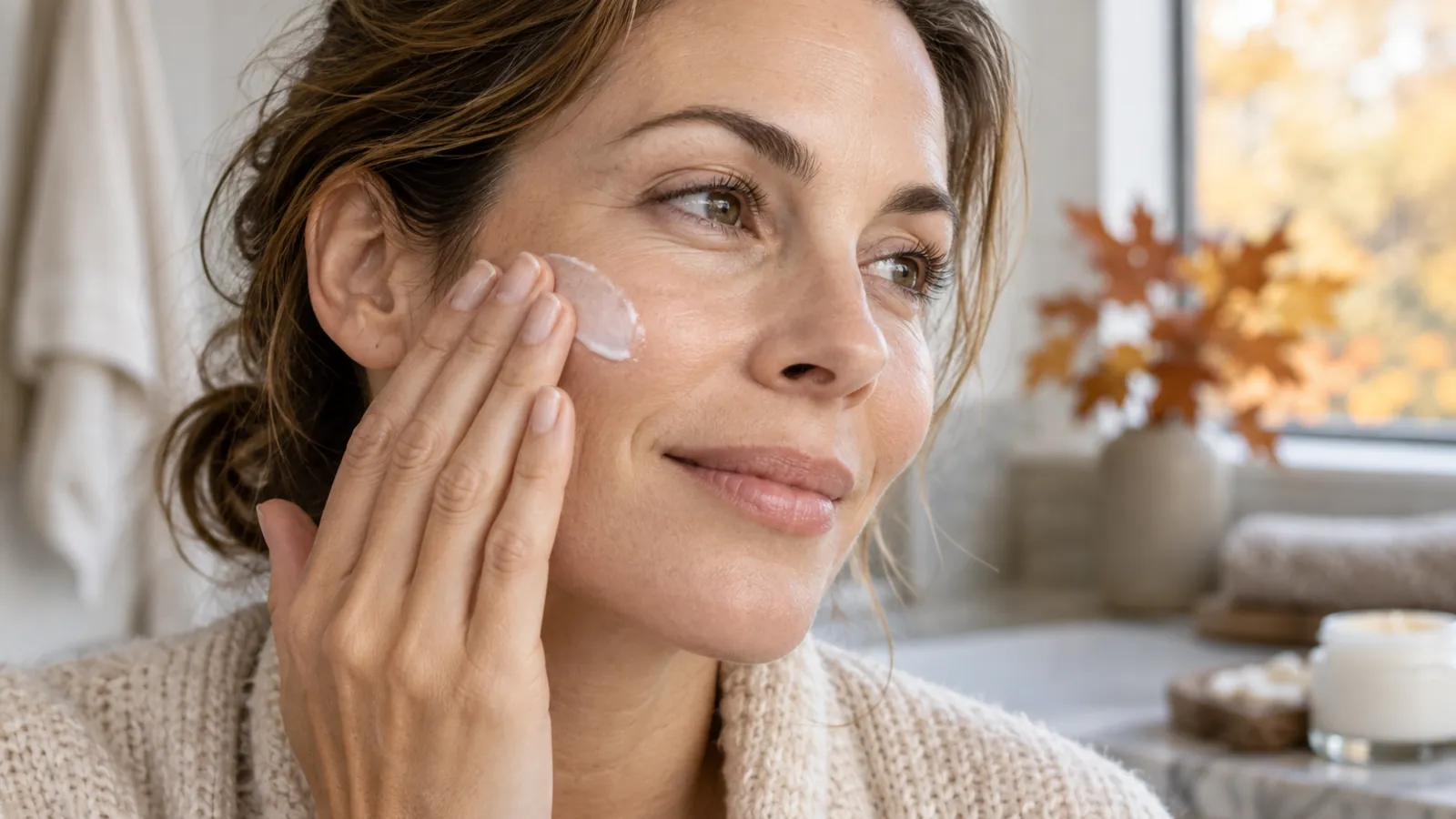
You do not need the richest cream available simply because it is fall. The right texture is the one that leaves your skin comfortable for several hours and layers well with sunscreen or makeup.
If only certain areas become dry, apply a little more moisturizer there instead of coating the entire face heavily. This keeps the routine adaptable to combination skin.
How to make the step work
- Start with a small amount and add more only where needed.
- Press rather than rub if skin is easily irritated.
- Reassess after a week before adding another product.
Consider this when: Everyone; adjust texture and amount to your own comfort.
4. Keep sunscreen in the morning routine
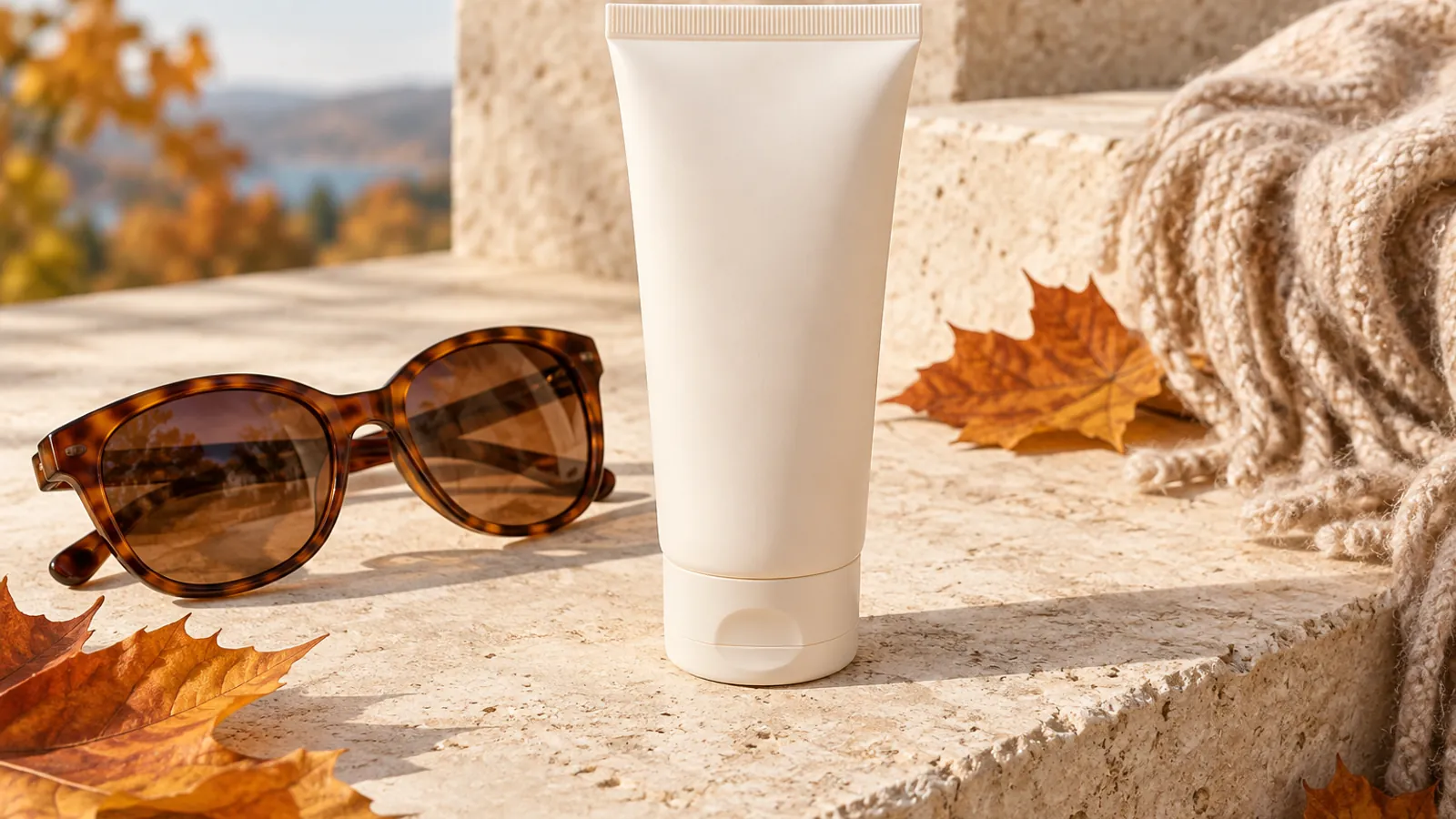
Shorter days and cooler weather can make sunscreen easier to forget, but ultraviolet exposure does not disappear with summer. Use a broad-spectrum product that you can apply generously and comfortably.
Let skincare settle briefly before sunscreen, then apply makeup afterward if desired. Follow the product directions for amount and reapplication, especially during extended outdoor time.
How to make the step work
- Apply broad-spectrum sunscreen as the final skincare step.
- Cover commonly missed areas such as ears and neck.
- Reapply according to the label during prolonged exposure.
Consider this when: Every morning, including cloudy fall days.
5. Protect lips before they feel chapped

Wind, cold air and habitual lip licking can quickly make lips feel uncomfortable. A simple, fragrance-free balm forms a practical protective layer and is easy to reapply.
Keep one where you naturally reach for it: beside the door, at a desk or in a coat pocket. If a product stings or makes you want to reapply constantly, stop and reassess the formula.
How to make the step work
- Apply balm before going outdoors.
- Reapply after eating or when the protective layer wears away.
- Avoid picking at dry skin.
Consider this when: Windy commutes, outdoor walks and heated indoor environments.
Frequently asked questions
When should I change my skincare routine for fall?
Change it when your skin’s comfort changes, not on a fixed date. Tightness, roughness or new sensitivity can signal that a gentler or more moisturizing approach may help.
Should I stop exfoliating in fall?
Not necessarily, but reduce frequency if skin becomes sensitive or dry. Avoid combining multiple strong exfoliating products without professional guidance.
Is this routine medical advice?
No. It is general lifestyle information. Persistent, painful or worsening skin concerns should be discussed with a qualified healthcare professional.
The images in this story were created with AI as original editorial visuals and reviewed to ensure that each image is relevant to the accompanying guidance.