Cooler air and indoor heating can make a familiar foundation sit differently. The answer is rarely more product: dry texture becomes more visible when skincare has not settled, base layers are thick or powder covers areas that did not need it.
This guide addresses cosmetic technique, not diagnosis or treatment. Introduce products carefully, follow their directions and stop using anything that causes persistent irritation.
Give skincare time to settle, apply complexion products in thin layers, conceal only where necessary and use powder selectively. Makeup cannot repair an impaired skin barrier, so persistent cracking, pain, rash or irritation deserves professional advice.
1. Prepare without over-layering
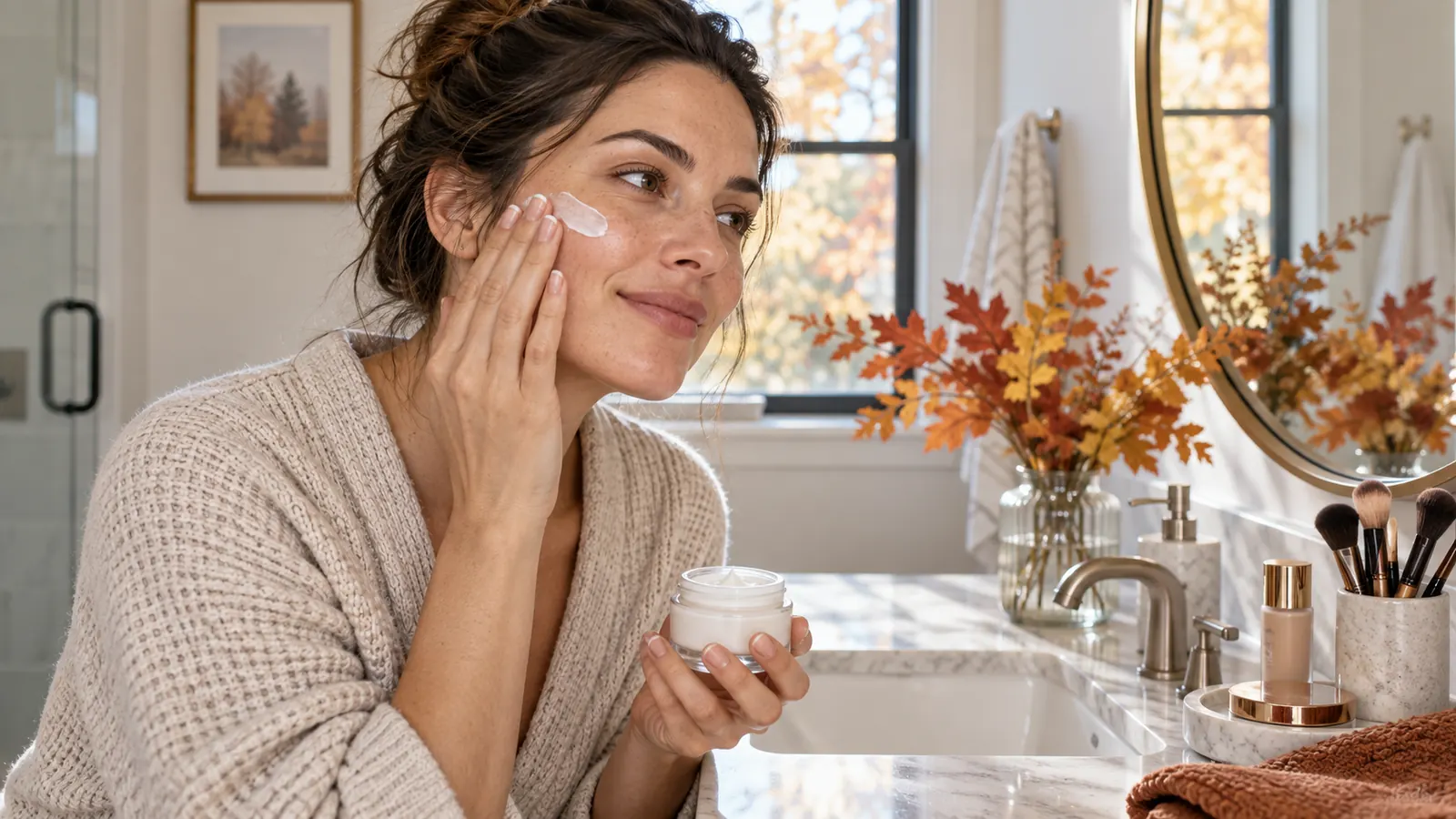
Comfortable skin gives makeup a more even surface, while several rich layers applied at once can encourage pilling. This option earns its place because it creates a clear result without adding unnecessary complication.
Finish a gentle routine with moisturizer and daytime sun protection as appropriate, then allow it to settle Work in small, deliberate stages and pause to assess the overall balance before adding more.
The most successful version respects real-life maintenance: choose products, proportions and a finish you can comfortably repeat, then adapt the idea to your own features, wardrobe or routine.
Try this sequence
- Prepare the makeup technique and decide the intended finish.
- Finish a gentle routine with moisturizer and daytime sun protection as appropriate, then allow it to settle.
- Review the result in natural light and refine only what needs attention.
Most useful when: Makeup that pills or catches immediately
2. Use a thin foundation layer
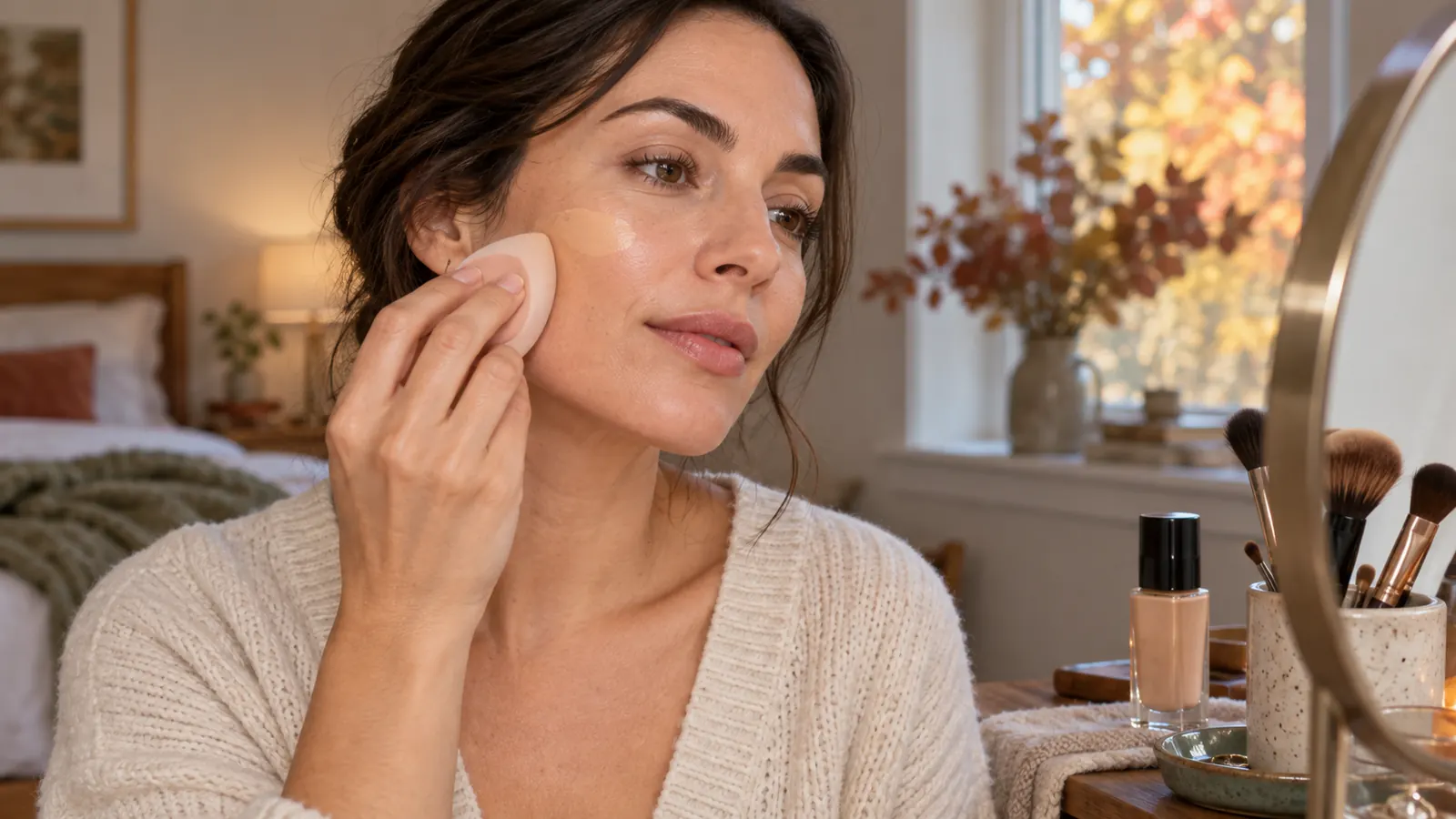
A thin flexible base evens tone without loading every dry patch with pigment. This option earns its place because it creates a clear result without adding unnecessary complication.
Spread a small amount from the center outward and add a second layer only where it changes the result Work in small, deliberate stages and pause to assess the overall balance before adding more.
The most successful version respects real-life maintenance: choose products, proportions and a finish you can comfortably repeat, then adapt the idea to your own features, wardrobe or routine.
Try this sequence
- Prepare the makeup technique and decide the intended finish.
- Spread a small amount from the center outward and add a second layer only where it changes the result.
- Review the result in natural light and refine only what needs attention.
Most useful when: Foundation that becomes heavy by midday
3. Conceal only where it matters
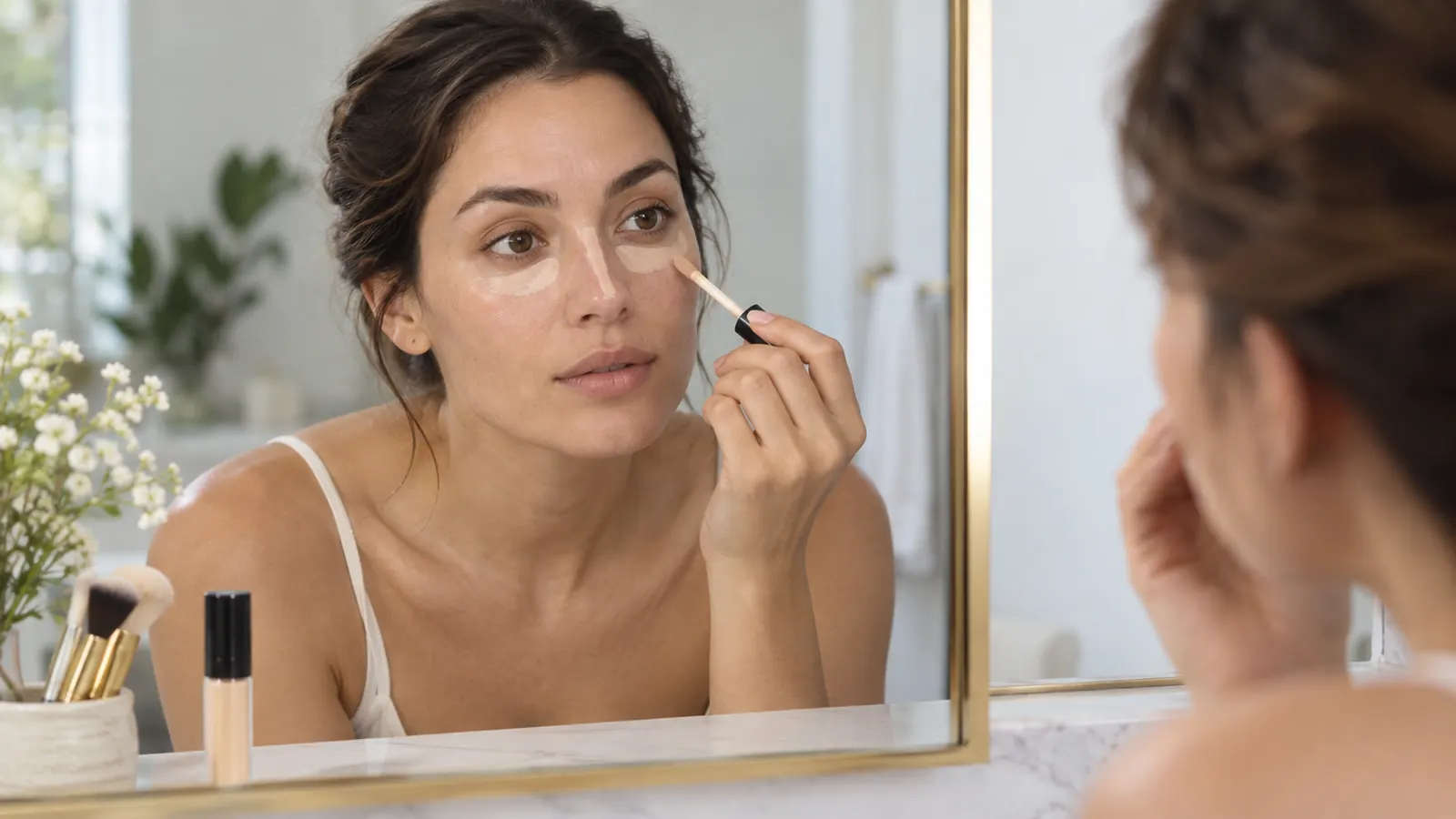
Targeted concealer keeps cheeks and other dry areas free from unnecessary coverage. This option earns its place because it creates a clear result without adding unnecessary complication.
Place tiny amounts at the inner eyes, around the nose or on individual marks and blend only the edges Work in small, deliberate stages and pause to assess the overall balance before adding more.
The most successful version respects real-life maintenance: choose products, proportions and a finish you can comfortably repeat, then adapt the idea to your own features, wardrobe or routine.
Try this sequence
- Prepare the makeup technique and decide the intended finish.
- Place tiny amounts at the inner eyes, around the nose or on individual marks and blend only the edges.
- Review the result in natural light and refine only what needs attention.
Most useful when: Combination dryness and natural-looking coverage
4. Add color with cream textures
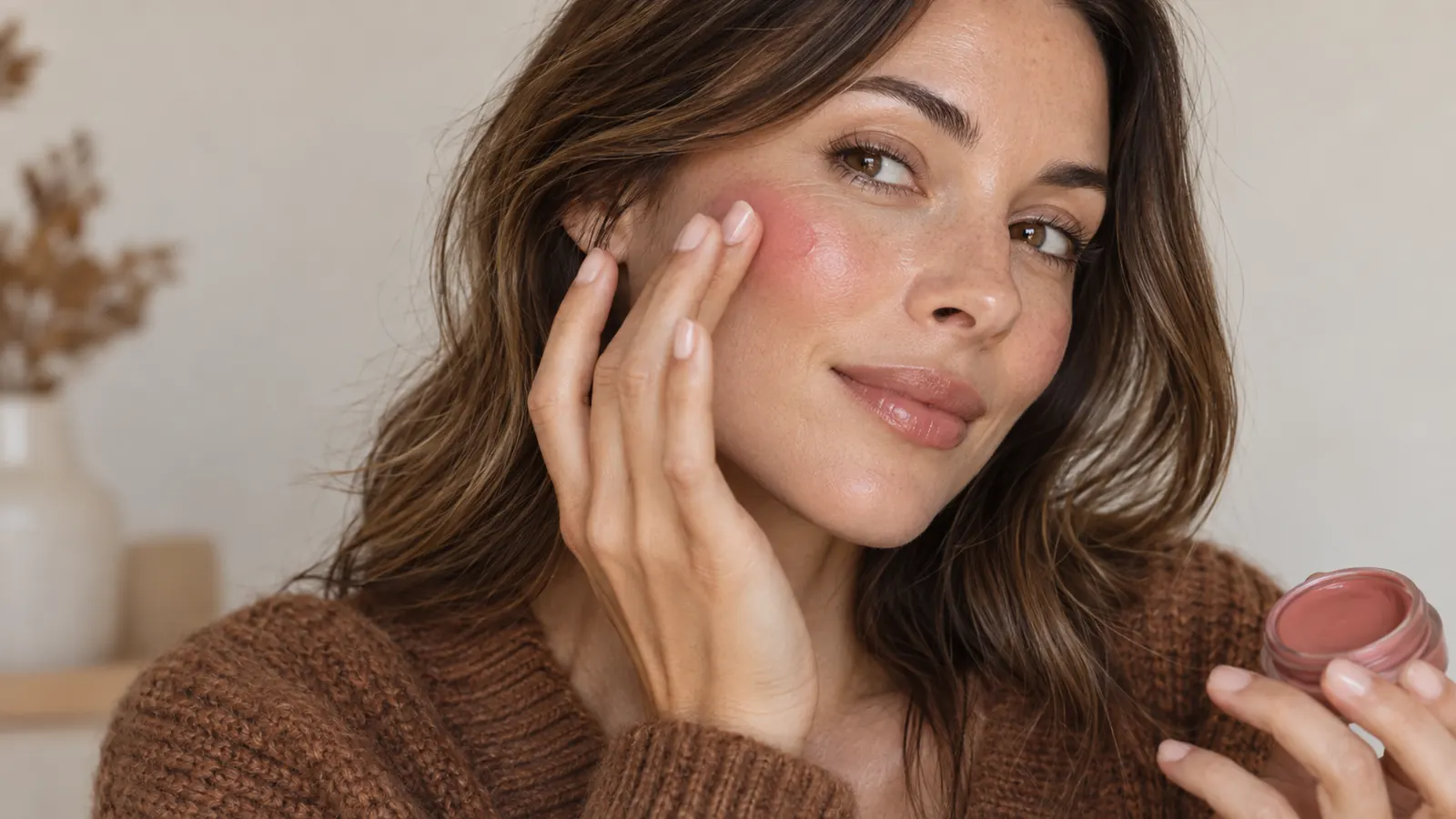
Cream blush restores dimension while maintaining a flexible finish over a light base. This option earns its place because it creates a clear result without adding unnecessary complication.
Warm a small amount on the hand, then tap it onto the cheeks instead of dragging Work in small, deliberate stages and pause to assess the overall balance before adding more.
The most successful version respects real-life maintenance: choose products, proportions and a finish you can comfortably repeat, then adapt the idea to your own features, wardrobe or routine.
Try this sequence
- Prepare the makeup technique and decide the intended finish.
- Warm a small amount on the hand, then tap it onto the cheeks instead of dragging.
- Review the result in natural light and refine only what needs attention.
Most useful when: Cheeks where powder emphasizes texture
5. Powder strategic areas only
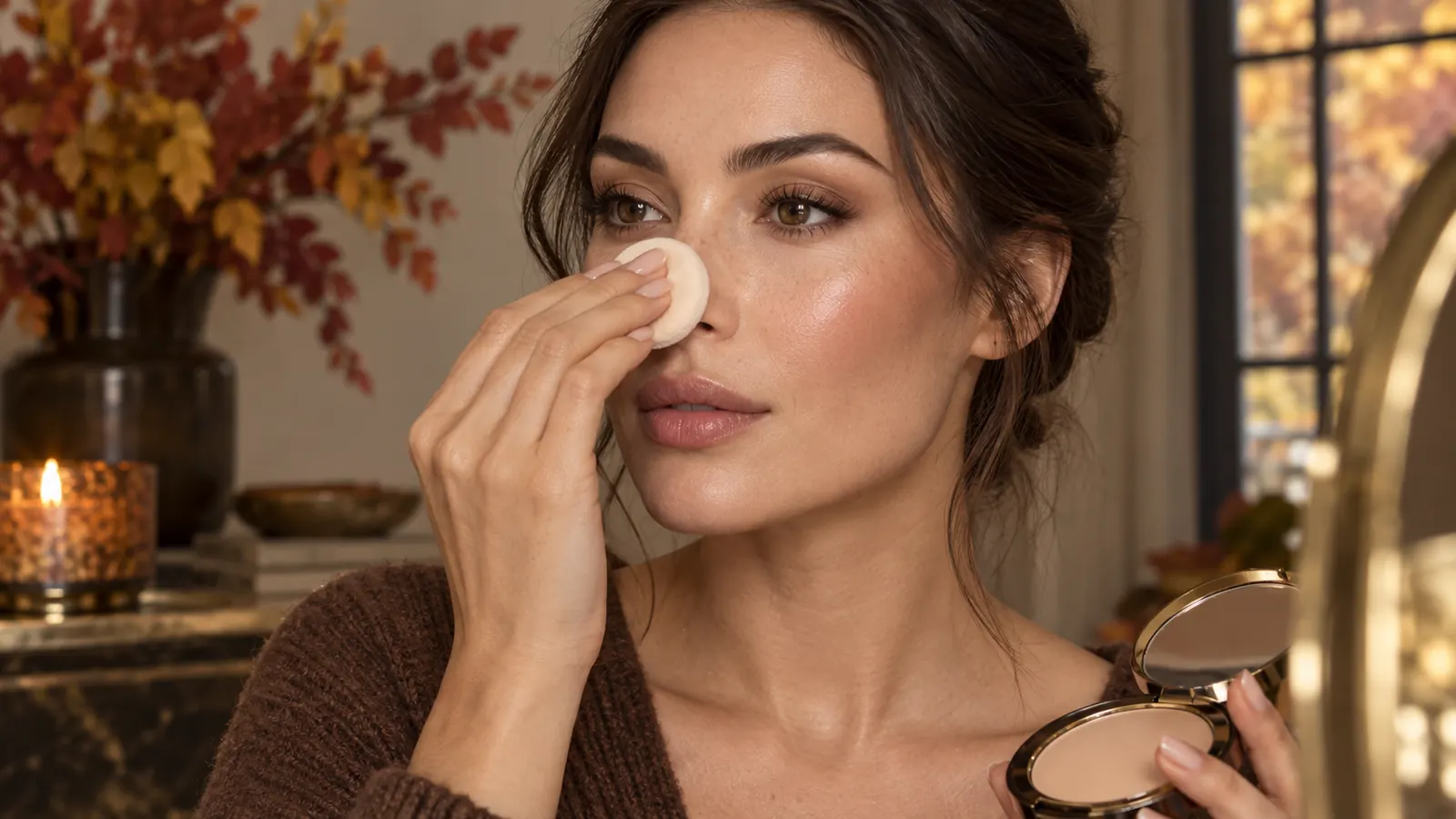
Selective setting controls movement without flattening comfortable areas of the face. This option earns its place because it creates a clear result without adding unnecessary complication.
Press minimal powder around the nostrils, center forehead or chin and leave textured cheeks alone Work in small, deliberate stages and pause to assess the overall balance before adding more.
The most successful version respects real-life maintenance: choose products, proportions and a finish you can comfortably repeat, then adapt the idea to your own features, wardrobe or routine.
Try this sequence
- Prepare the makeup technique and decide the intended finish.
- Press minimal powder around the nostrils, center forehead or chin and leave textured cheeks alone.
- Review the result in natural light and refine only what needs attention.
Most useful when: Long days and localized shine or creasing
Frequently asked questions
Why does foundation cling to dry patches?
Dry surface texture, friction, incompatible layers and excess pigment can contribute. Let skincare settle, work thinly and press rather than repeatedly rub.
Should dry skin skip powder?
Not always. Use a small amount only where makeup moves or shines, while leaving comfortable areas unpowdered.
Can makeup fix irritated skin?
No. Makeup can reduce visible unevenness but cannot treat an underlying condition. Persistent pain, cracking, swelling or rash needs qualified medical advice.
Sources and further reading
These authoritative resources support the safety or health context used in this guide. Links are reviewed at publication, but they do not replace advice from a qualified professional familiar with your circumstances.
- American Academy of Dermatology — Skin care basicsDermatologist-reviewed guidance on everyday skin care and irritation.
- U.S. Food and Drug Administration — CosmeticsOfficial information on cosmetic products, labeling and safety responsibilities.
Anna reviewed the article for clarity, image relevance, realistic expectations and alignment with the Lively Edit editorial policy. Safety and health claims are checked against appropriate authoritative sources; the updated date changes only after a meaningful review.
Read our editorial process →The images in this story were created with AI as original editorial visuals and reviewed to ensure that each image is relevant to the accompanying guidance.