Toasty makeup has returned as one of fall 2026's most visible beauty searches. The appeal is easy to understand: it carries the warmth of a late-summer glow into cooler weather using familiar brown, cinnamon and caramel tones rather than a complicated new technique.
Despite the name, the goal is not to make every complexion orange. Successful toasty makeup is tonal: the eye, cheek and lip colors belong to the same warm family, but each has enough depth and undertone to remain visible. Use these five interpretations as starting points, patch-test unfamiliar products and adapt coverage to the finish your skin already enjoys.
Toasty makeup is a blended, mostly monochromatic look built from caramel, cinnamon, terracotta, bronze and cocoa tones across the eyes, cheeks and lips. The key is choosing warm shades that remain distinct from your skin rather than applying orange bronzer everywhere. Keep the base light, build color gradually and preserve natural dimension around the center of the face.
1. Classic caramel and cinnamon
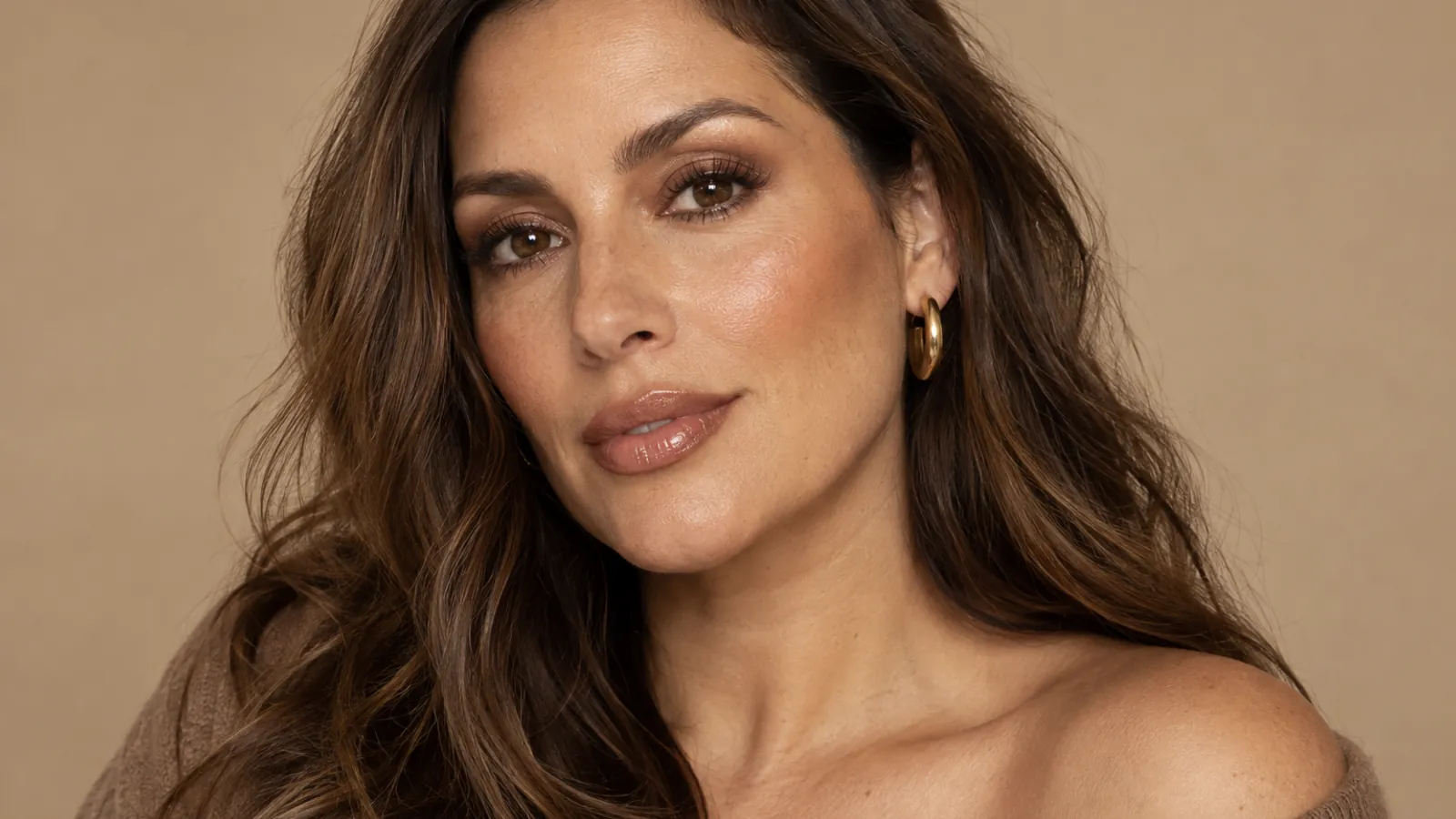
Begin with a light, skin-like base and correct only the areas where you want coverage. Blend caramel bronzer around the temples and upper cheeks, then use a cinnamon-brown shadow close to the lashes and through the crease.
Brown mascara and a softly defined brown-nude lip keep the palette connected. The complexion should still contain lighter areas; covering the entire face with one warm shade removes the dimension that makes this look flattering.
How to create it
- Apply a light base and spot-conceal.
- Build bronzer gradually around the outer face.
- Repeat related brown tones on eyes and lips.
A useful version for: An everyday introduction to the trend and neutral-to-warm complexions.
2. Rose-brown toast for fair skin
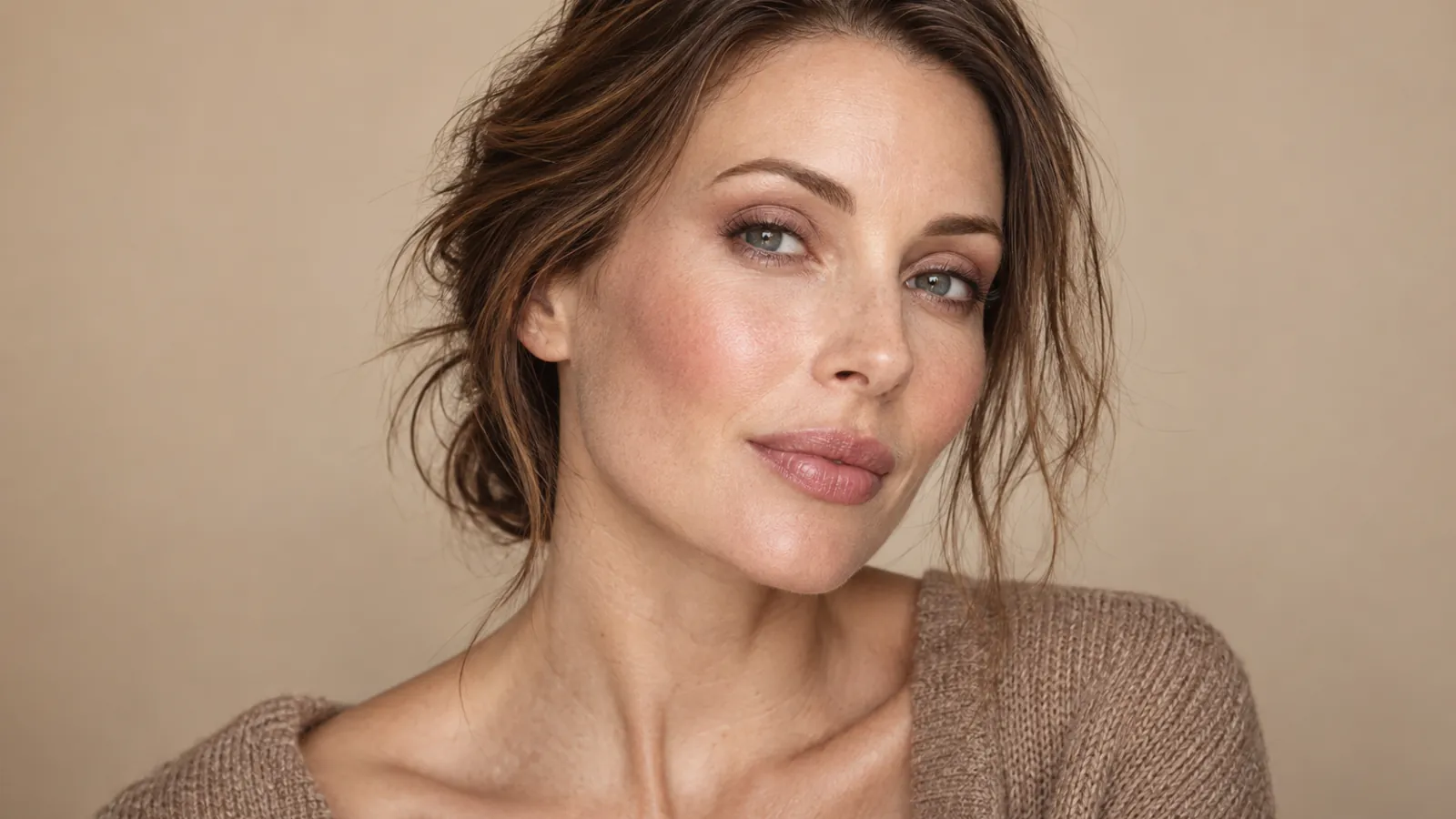
Fair or cool-neutral skin may look more balanced in taupe-cinnamon, muted rose-brown and beige-rose than in vivid terracotta. Start with a small brush and place warmth high on the cheeks, where it can be diffused into the skin.
Use a shadow only a few levels deeper than the complexion and keep the lip softly rosy. If bronzer turns orange in daylight, switch to a more neutral brown instead of trying to correct it with extra foundation.
How to create it
- Choose muted rose-brown rather than strong orange.
- Use a small amount and blend beyond its edge.
- Check the result beside a window before adding more.
A useful version for: Fair, light and cool-neutral complexions that need controlled warmth.
3. Terracotta bronze for olive skin
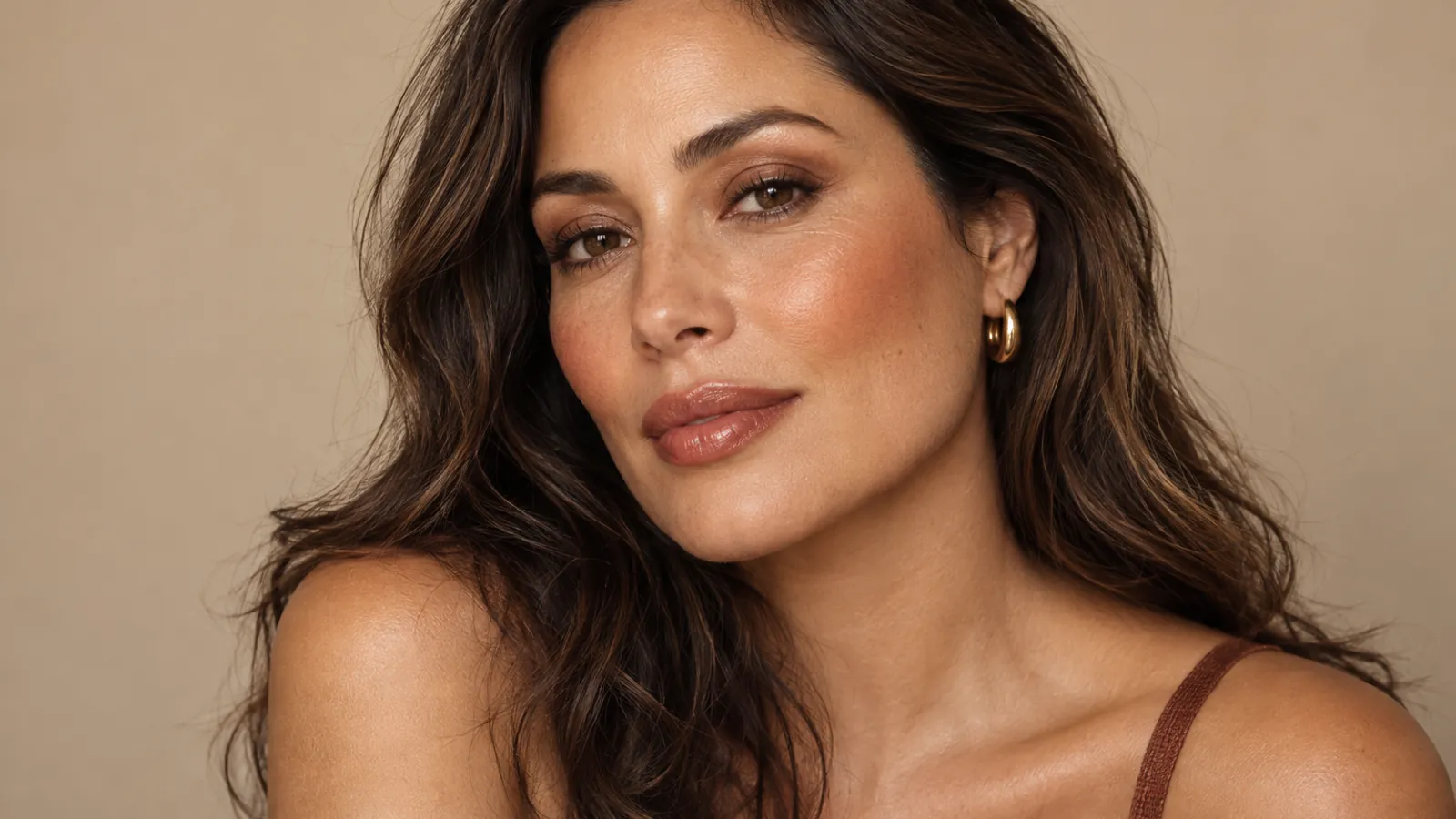
Olive skin can support terracotta and bronze, but shades with too much pale orange may turn chalky. Look for browned terracotta on the cheeks and a bronze eye color with enough depth to define the lash line.
A caramel-rose lip prevents the face from becoming uniformly brown. Keep a little natural sheen on the high points and avoid using bronzer as both full-face powder and blush.
How to create it
- Place browned terracotta on the upper cheeks.
- Blend bronze shadow close to the lashes.
- Add a caramel-rose lip for gentle contrast.
A useful version for: Medium and olive complexions seeking a warm look that stays dimensional.
4. Mahogany and copper for deep skin
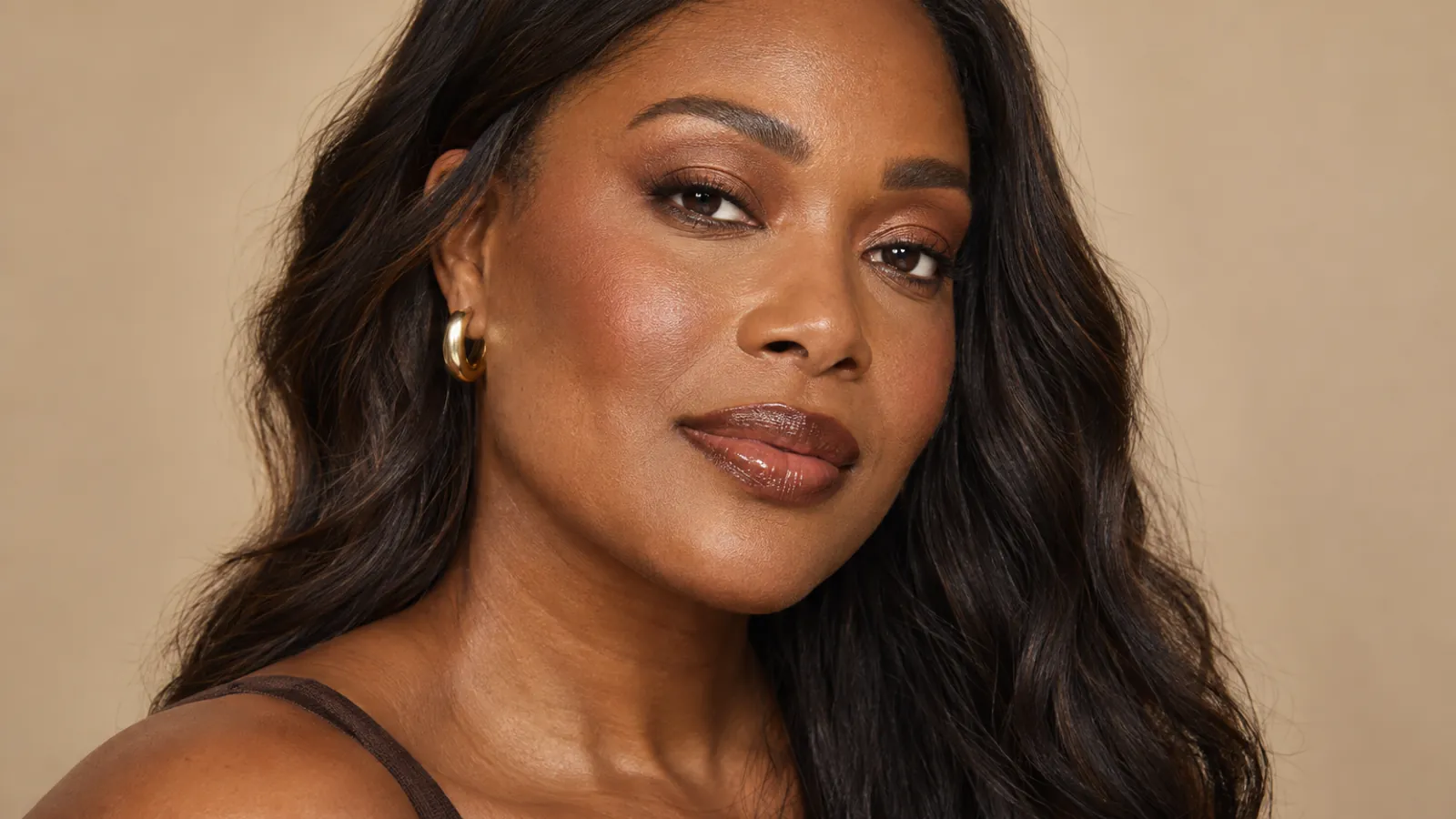
On deep skin, the toasted palette needs sufficient richness to remain visible. Mahogany bronzer, deep terracotta blush and copper-brown shadow create warmth without introducing an ashy cast.
Define the lips with chestnut or espresso pencil and soften the center with a warm gloss. Products should be evaluated on the face rather than by pan color, because undertone and pigment transparency change the result.
How to create it
- Build mahogany warmth around the cheek perimeter.
- Use copper-brown across the lids.
- Define lips with chestnut and blend inward.
A useful version for: Deep complexions and anyone who needs richer pigment rather than pale caramel.
5. Evening espresso toast
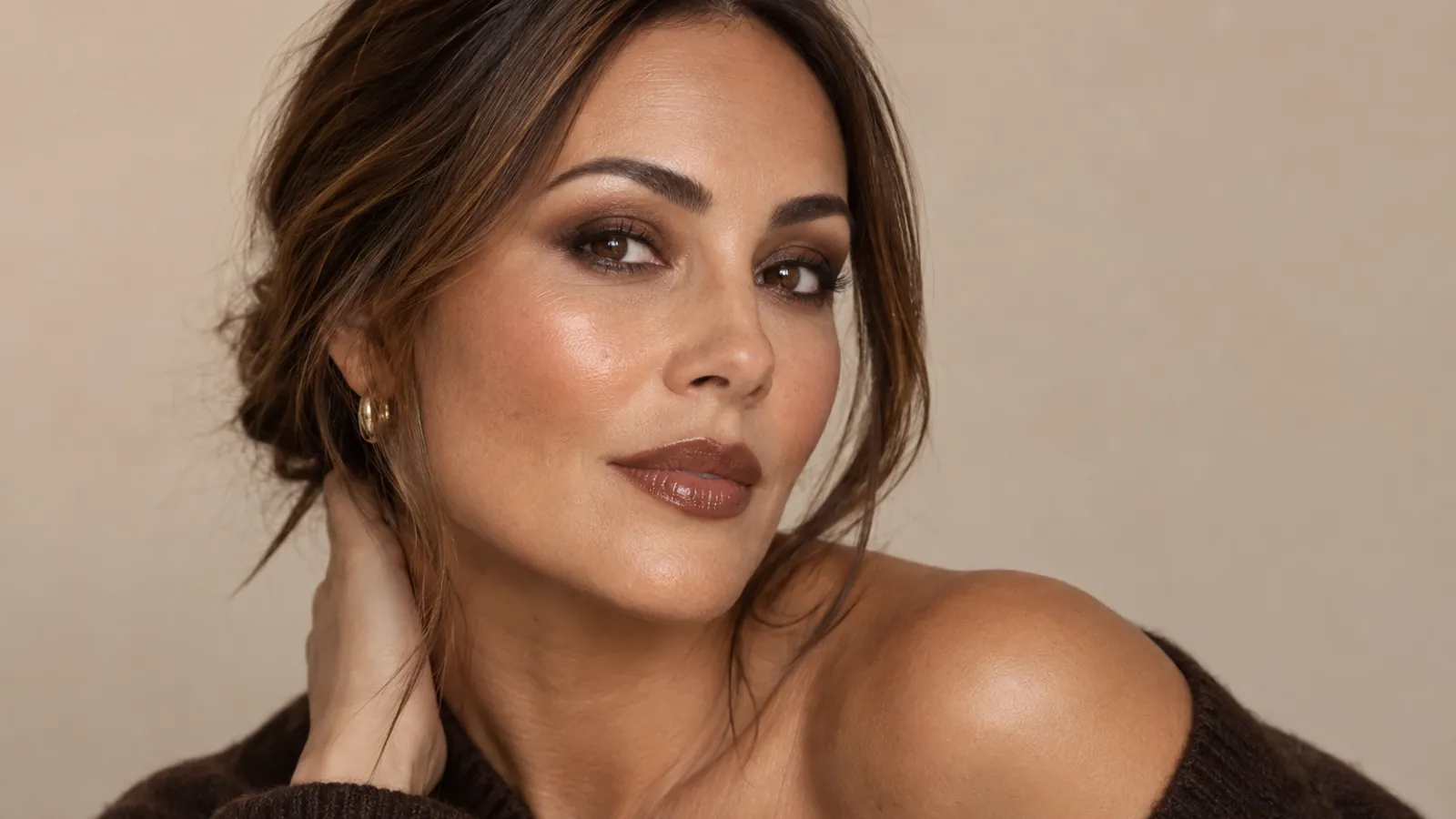
For evening, deepen the existing family instead of adding black everywhere. Smudge espresso pencil along the lashes, blend it with warm brown shadow and keep the edges hazy rather than sharply winged.
A cocoa lip and slightly stronger cheek complete the look, while a restrained base keeps the result modern. If both eyes and lips are deeper, skip heavy contour and bright highlight.
How to create it
- Deepen the lash line with espresso pencil.
- Blend warm brown over the edge.
- Finish with cocoa liner, gloss and softly warmed cheeks.
A useful version for: Dinner, events and readers who want a richer version without a conventional smoky eye.
Frequently asked questions
What is toasty makeup?
It is a warm, blended makeup style using related caramel, cinnamon, terracotta, bronze and brown tones across the eyes, cheeks and lips.
How do I stop toasty makeup looking orange?
Choose warmth relative to your undertone, use thin layers and leave natural skin visible. Muted rose-brown suits many cooler complexions, while deeper skin generally needs mahogany or rich terracotta rather than pale orange.
Is toasty makeup suitable for mature skin?
Yes. Cream or finely milled satin textures and strategic placement can look especially soft. Avoid forcing heavy shimmer or powder onto areas where you prefer less texture.
Can I create the look without buying new products?
Often yes. Combine an existing brown shadow, neutral bronzer or blush, brown pencil and warm lip color. The coordinated placement matters more than owning a product labeled for the trend.
The images in this story were created with AI as original editorial visuals and reviewed to ensure that each image is relevant to the accompanying guidance.