Fall hair color in 2026 is less about choosing the darkest possible shade and more about creating believable dimension. The strongest ideas preserve depth at the root, place warmth where light naturally catches the hair and acknowledge how the color will fade between appointments.
A reference photo is only the beginning. Your natural level, previous color, texture, porosity and willingness to maintain tone all influence the result. Use these nine shades as conversation starters, then ask a professional colorist what can be achieved safely from your current starting point.
Soft copper and cinnamon brunette bring the clearest autumn warmth; espresso and bronzed black add shine with minimal visible contrast; honey beige and mushroom brown offer balanced lighter options; maple balayage creates strategic brightness; smoked auburn and soft merlot introduce red in more muted, wearable ways.
1. Soft copper
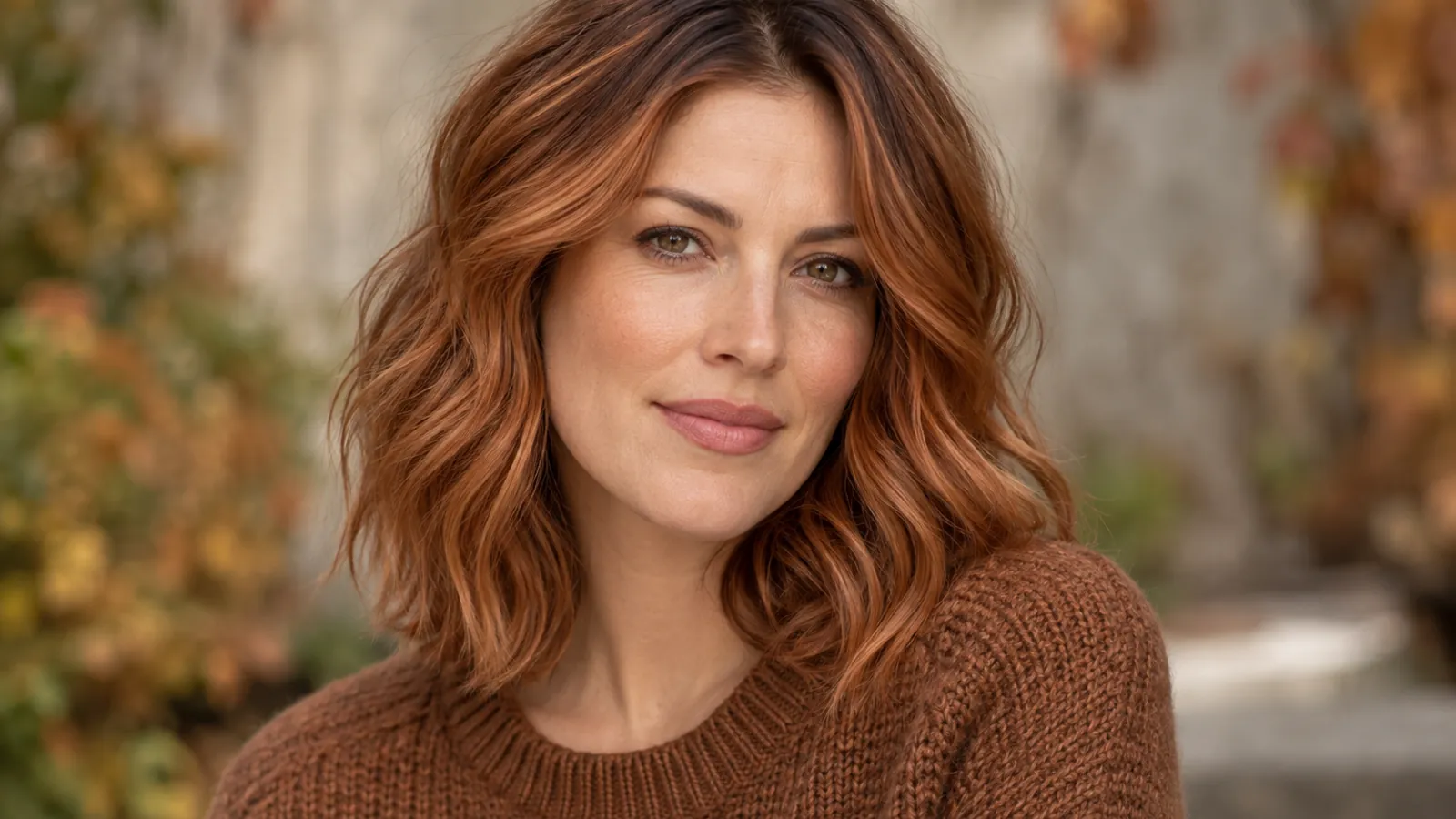
Soft copper combines muted orange, gold and a small amount of brown. The brown base is important: it keeps the color sophisticated in indoor light and gives regrowth a gentler transition.
Copper pigments can lose intensity quickly, especially on porous or frequently washed hair. Ask how the shade is likely to fade on your starting color and whether an at-home color-depositing product is appropriate.
What to ask for
- Bring references photographed in both daylight and indoor light.
- Ask for a muted copper rather than a bright fashion orange.
- Discuss a root shadow if you prefer softer regrowth.
A useful starting point for: Dark blonde to medium-brown starting points and anyone prepared to refresh warm tone.
2. Espresso brunette
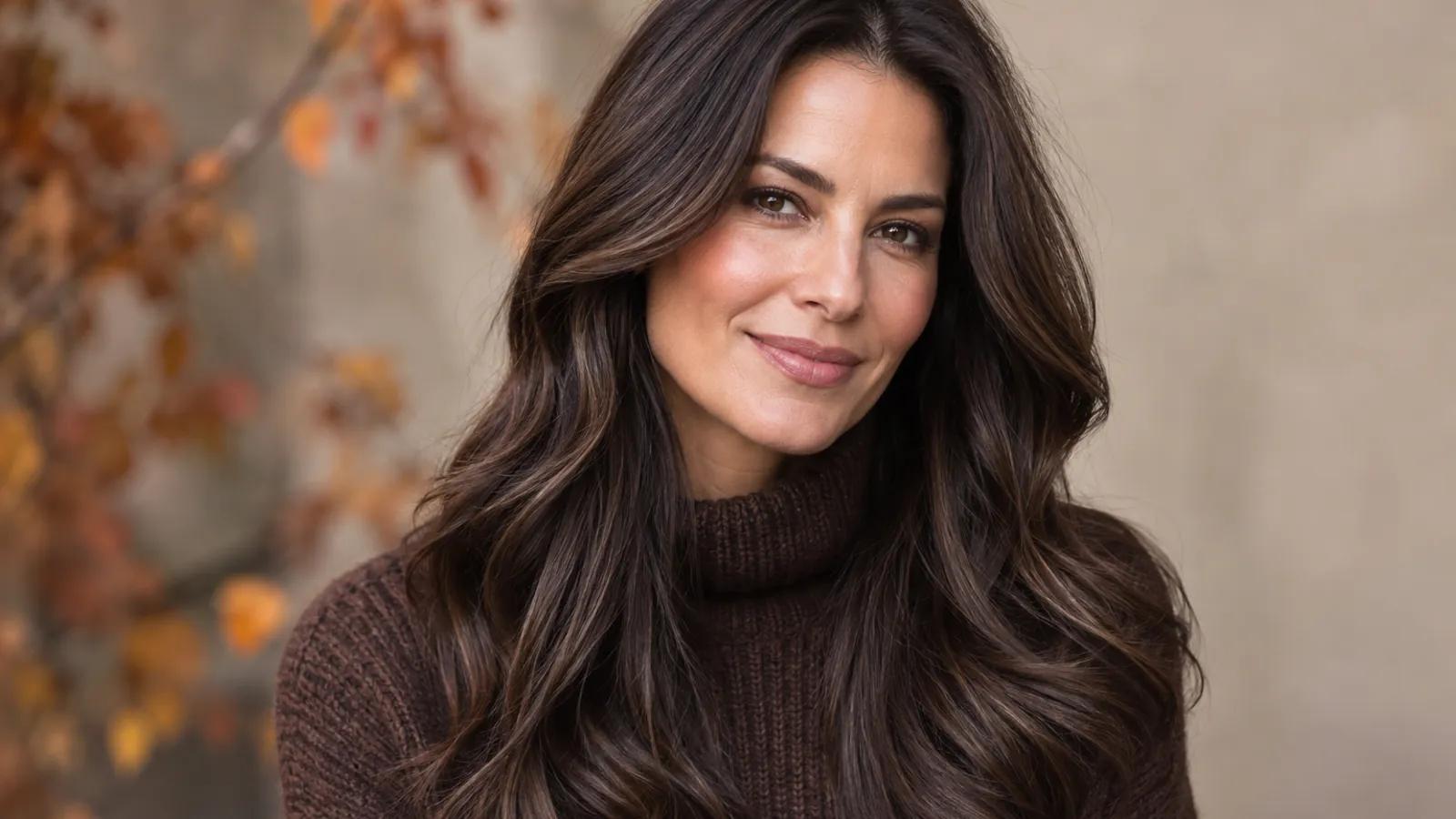
Espresso brunette is deep, glossy brown with enough neutral dimension to remain visibly brown. Fine low-contrast ribbons through the mid-lengths create movement without turning the result into obvious highlights.
Going much darker can be a commitment because returning to a lighter shade may require several sessions. Ask for a realistic preview of the depth and clarify whether a demi-permanent approach could meet your goal.
What to ask for
- Request deep brown that remains brown in natural light.
- Keep dimension within one or two levels of the base.
- Ask whether permanent or demi-permanent color suits the plan.
A useful starting point for: Natural brunettes wanting richness, shine and a low-contrast result.
3. Cinnamon brunette
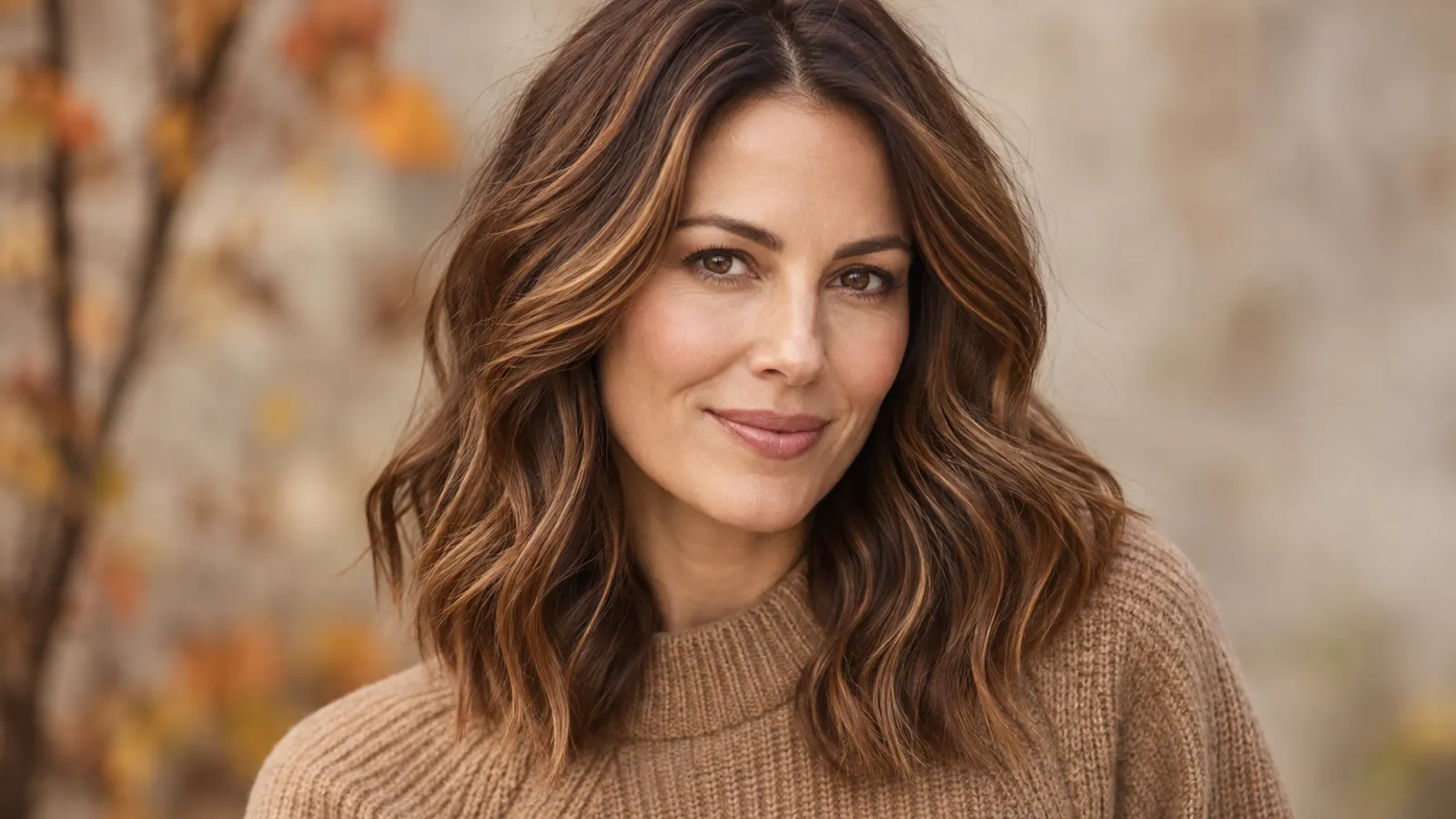
Cinnamon brunette uses small amber and copper-brown accents over a deeper brown base. The contrast is restrained, so the color reads as warmer and more reflective rather than dramatically highlighted.
Placement matters more than quantity. A few ribbons around the face and through the surface layers can create the effect while leaving much of the natural base intact.
What to ask for
- Ask for fine warm ribbons rather than wide highlights.
- Keep the root close to your natural shade.
- Choose face-framing placement based on your haircut and part.
A useful starting point for: Medium and deep brunettes who want warmth without becoming fully red.
4. Smoked auburn
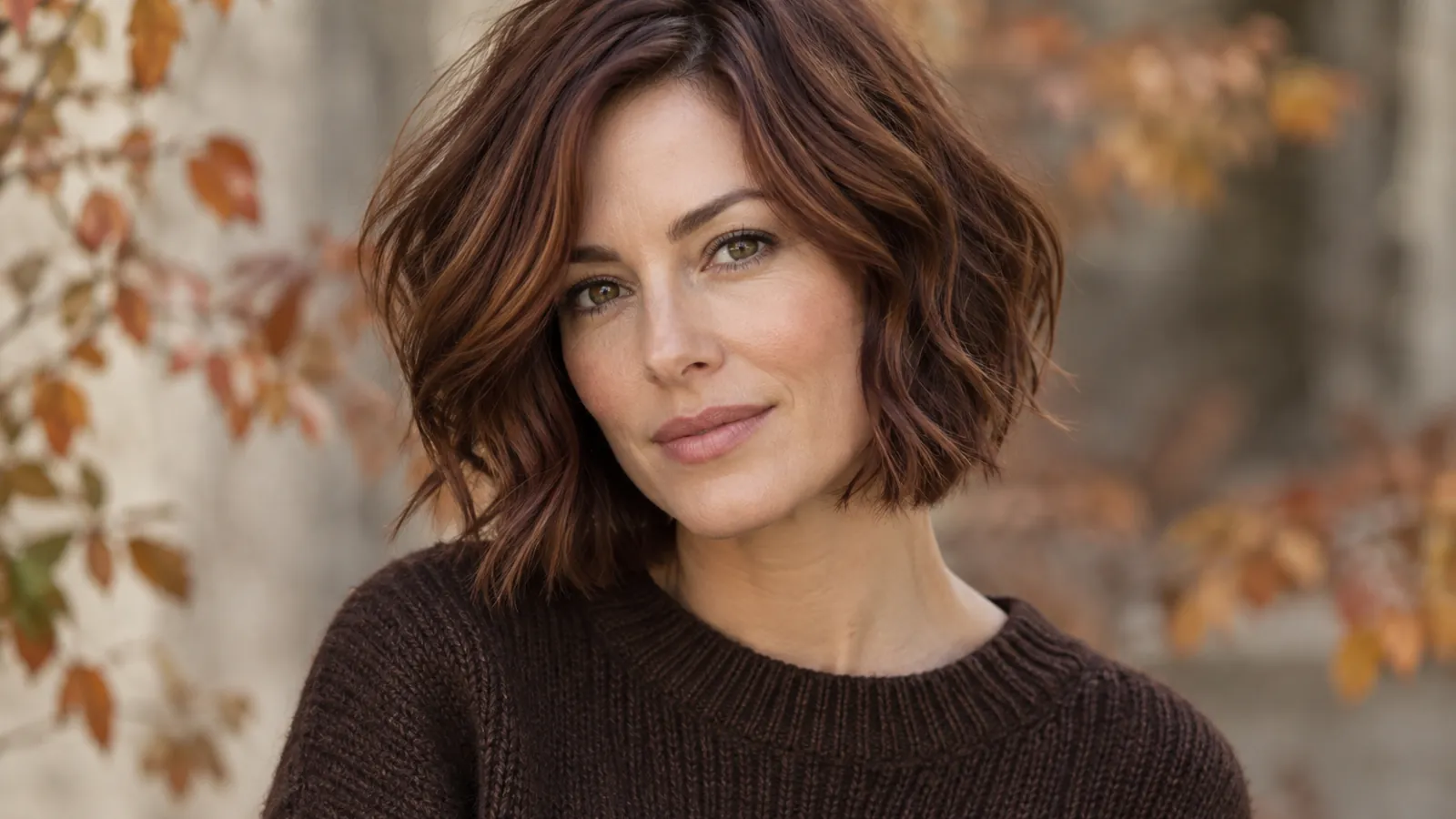
Smoked auburn blends red-brown with a muted neutral base. It has less brightness than classic copper and can look especially dimensional on a bob or layered cut where bends reveal different tones.
Red tones are affected by the existing pigment underneath. Show your colorist the amount of red you actually want, including examples that feel too bright, so the boundary is clear.
What to ask for
- Describe the target as brown-first auburn.
- Ask how previous color will influence the red result.
- Plan a toning or gloss schedule before leaving the salon.
A useful starting point for: Brunettes curious about red who prefer a subdued, brown-based effect.
5. Honey beige blonde
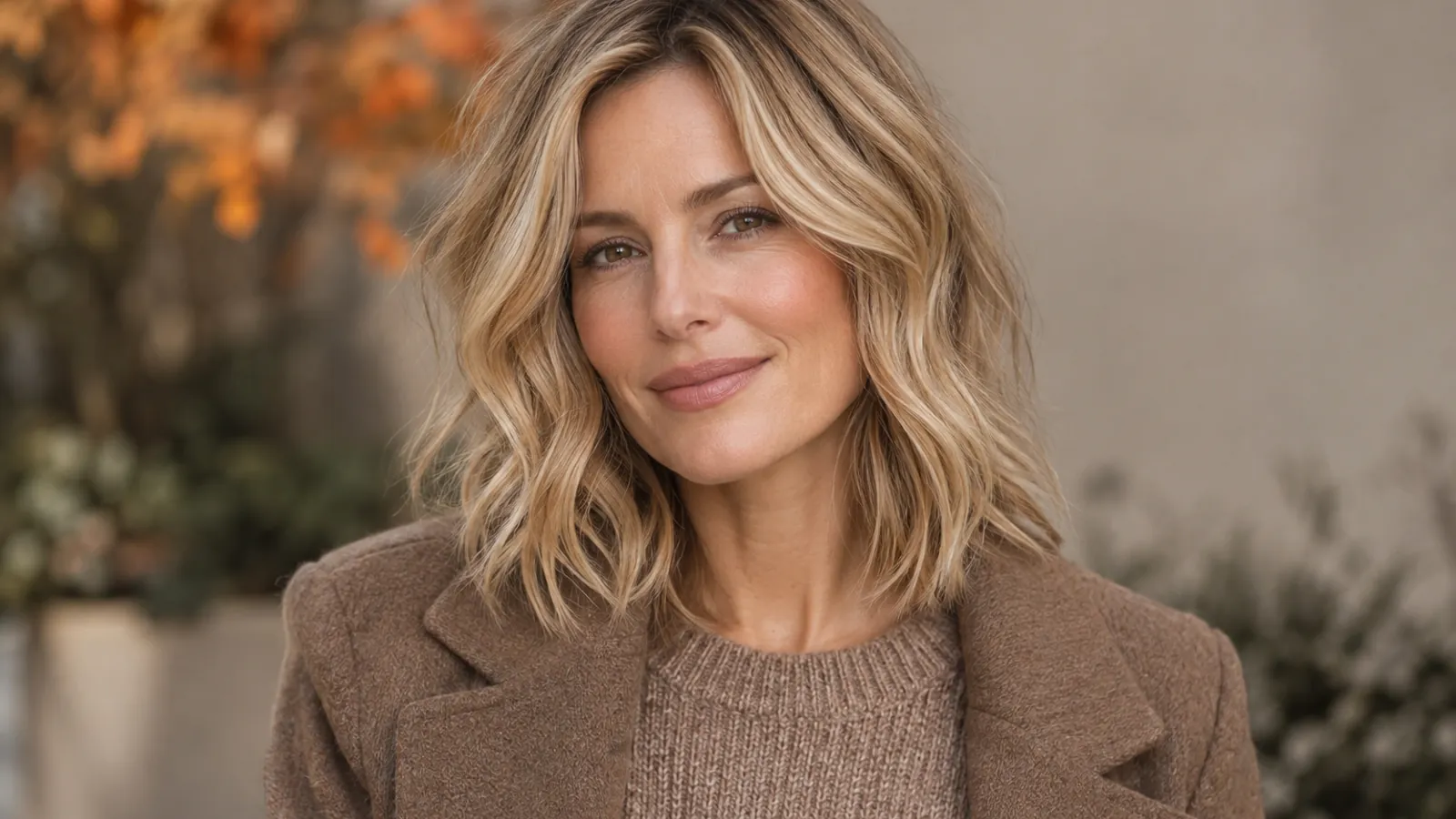
Honey beige blonde sits between warm gold and neutral beige. It reflects autumn light beautifully while avoiding the very cool finish that can require frequent toning.
The healthiest route depends on how light your hair already is. If substantial lifting is required, ask whether the goal should be divided across appointments and which areas of the hair can safely become brightest.
What to ask for
- Request a mix of beige and honey rather than solid gold.
- Preserve slightly deeper roots for dimension.
- Agree on a safe brightness based on current hair condition.
A useful starting point for: Existing blondes seeking a warmer seasonal adjustment without going dramatically dark.
6. Mushroom brown
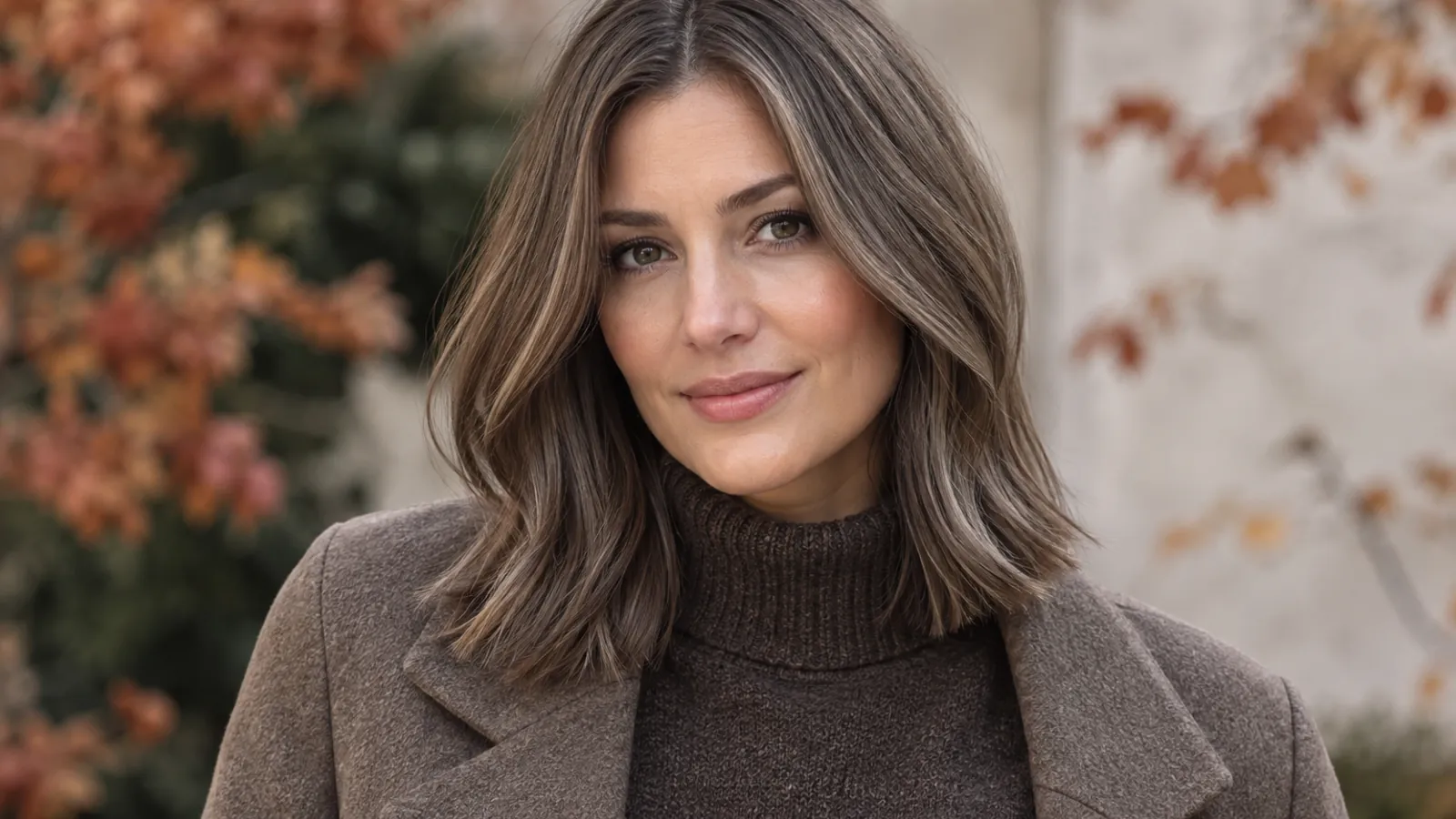
Mushroom brown combines taupe, neutral brown and restrained ash. It is cooler than cinnamon or chestnut, but the goal is balanced dimension rather than a gray cast.
Very warm underlying pigment may reappear as toner fades. Ask what the color is likely to look like after several weeks and whether your maintenance preferences support a cool result.
What to ask for
- Bring neutral brown references without heavy gray filters.
- Ask for low-contrast taupe dimension.
- Discuss how often cool toning may need refreshing.
A useful starting point for: Neutral or cool brunette palettes and readers who avoid obvious red or gold.
7. Bronzed black
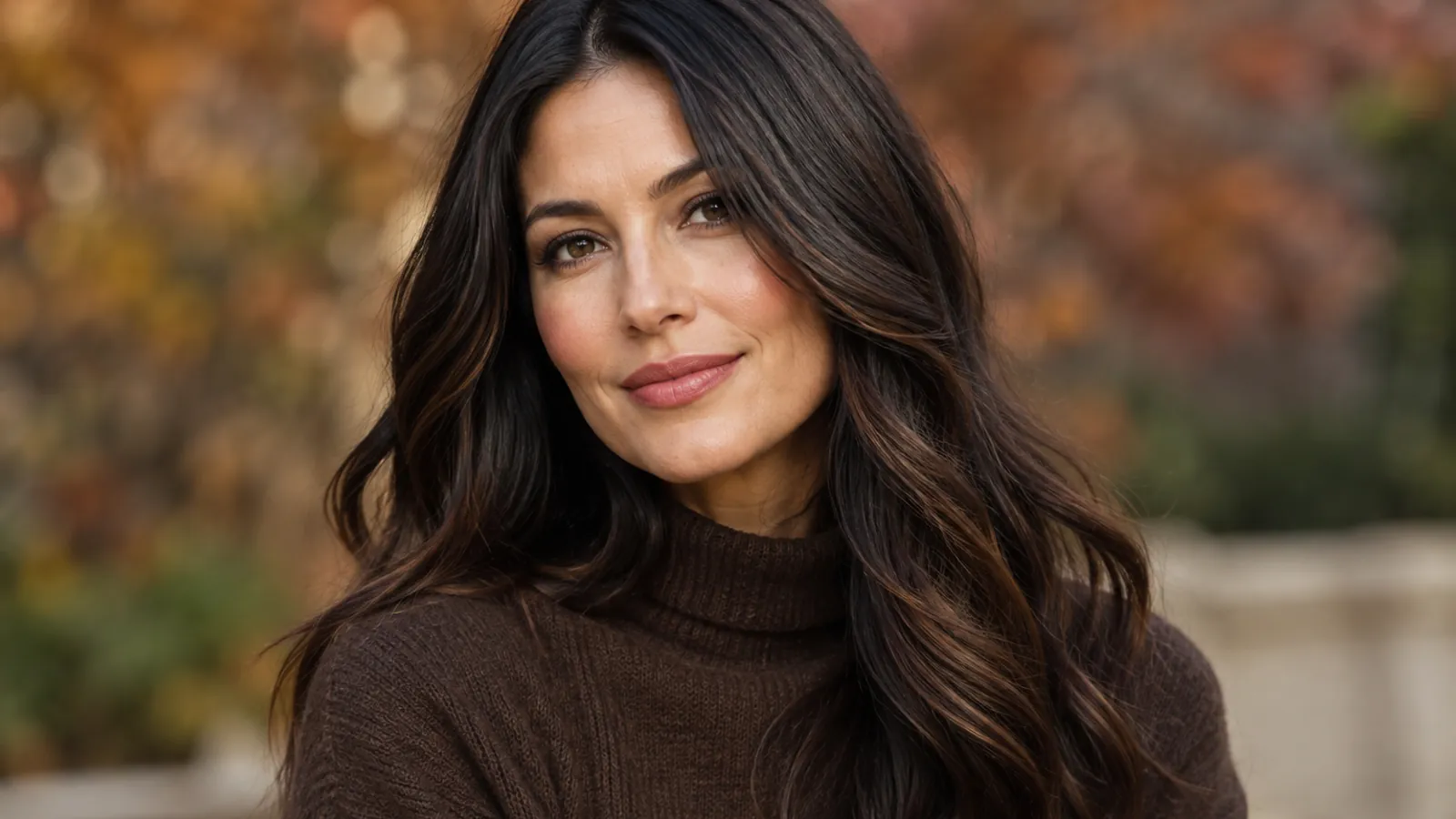
Bronzed black is a soft near-black base with extremely subtle warm reflection. It delivers depth and shine without the hard, ink-like opacity of a flat black formula.
Because black dye can be difficult to remove, clarity about future plans matters. If you may want lighter hair next year, discuss a deep brunette or demi-permanent alternative.
What to ask for
- Ask for soft black or deepest brunette, not blue-black.
- Keep warmth subtle and visible mainly in direct light.
- Discuss future lightening before committing to permanent color.
A useful starting point for: Naturally very dark hair that needs richness and reflective dimension.
8. Maple balayage
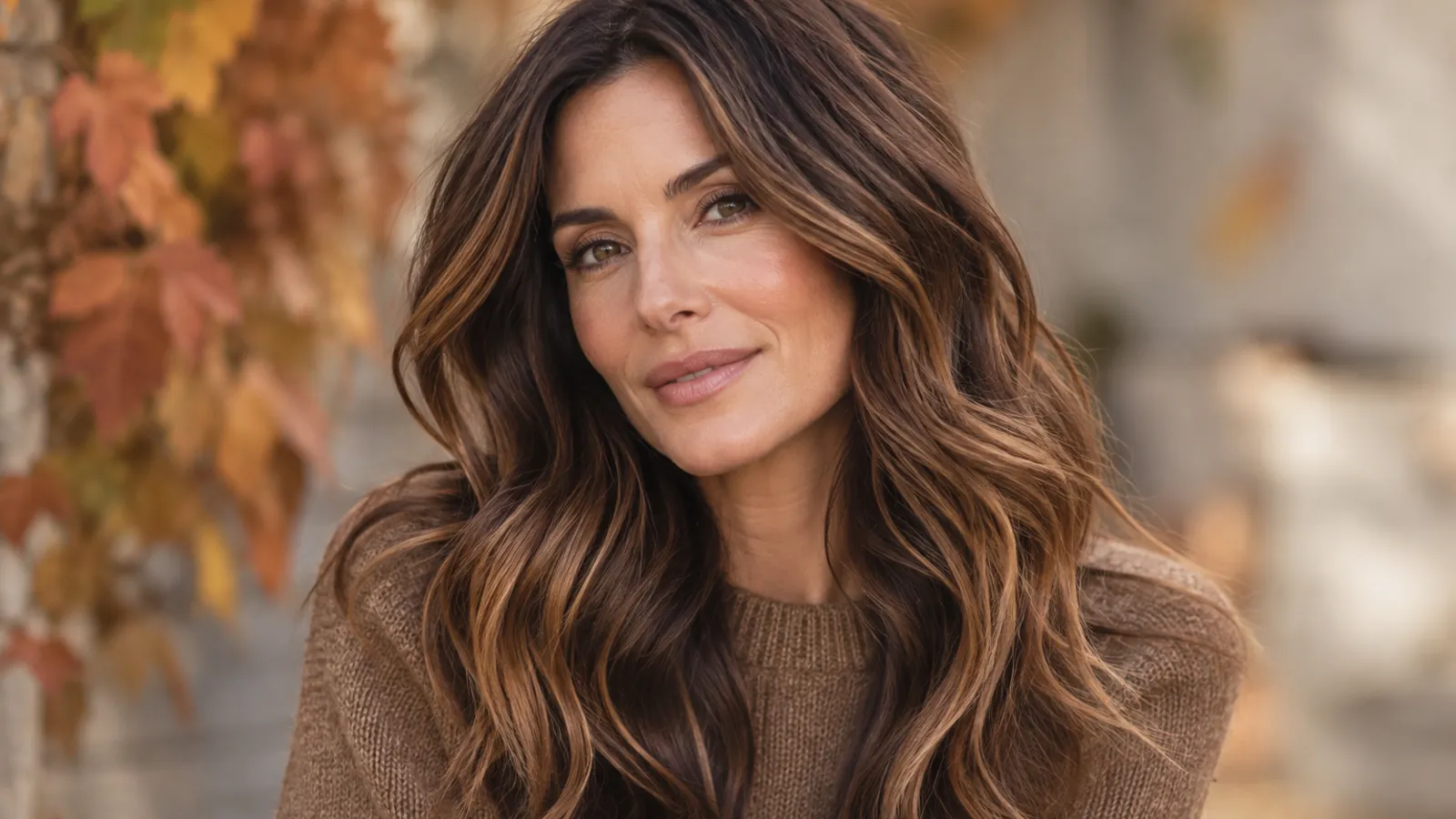
Maple balayage places caramel, amber and light brown through the areas that naturally catch light. The result feels autumnal because the highlights are warm, but a deep root keeps the overall identity brunette.
For lower maintenance, ask for brightness that begins away from the scalp and follows the haircut. The lightest pieces should have a purpose rather than being distributed uniformly.
What to ask for
- Keep the root natural or close to natural.
- Place warmth around the face and movement of the cut.
- Request a blended transition rather than stripes.
A useful starting point for: Brunettes wanting visible brightness with a softer grow-out.
9. Soft merlot
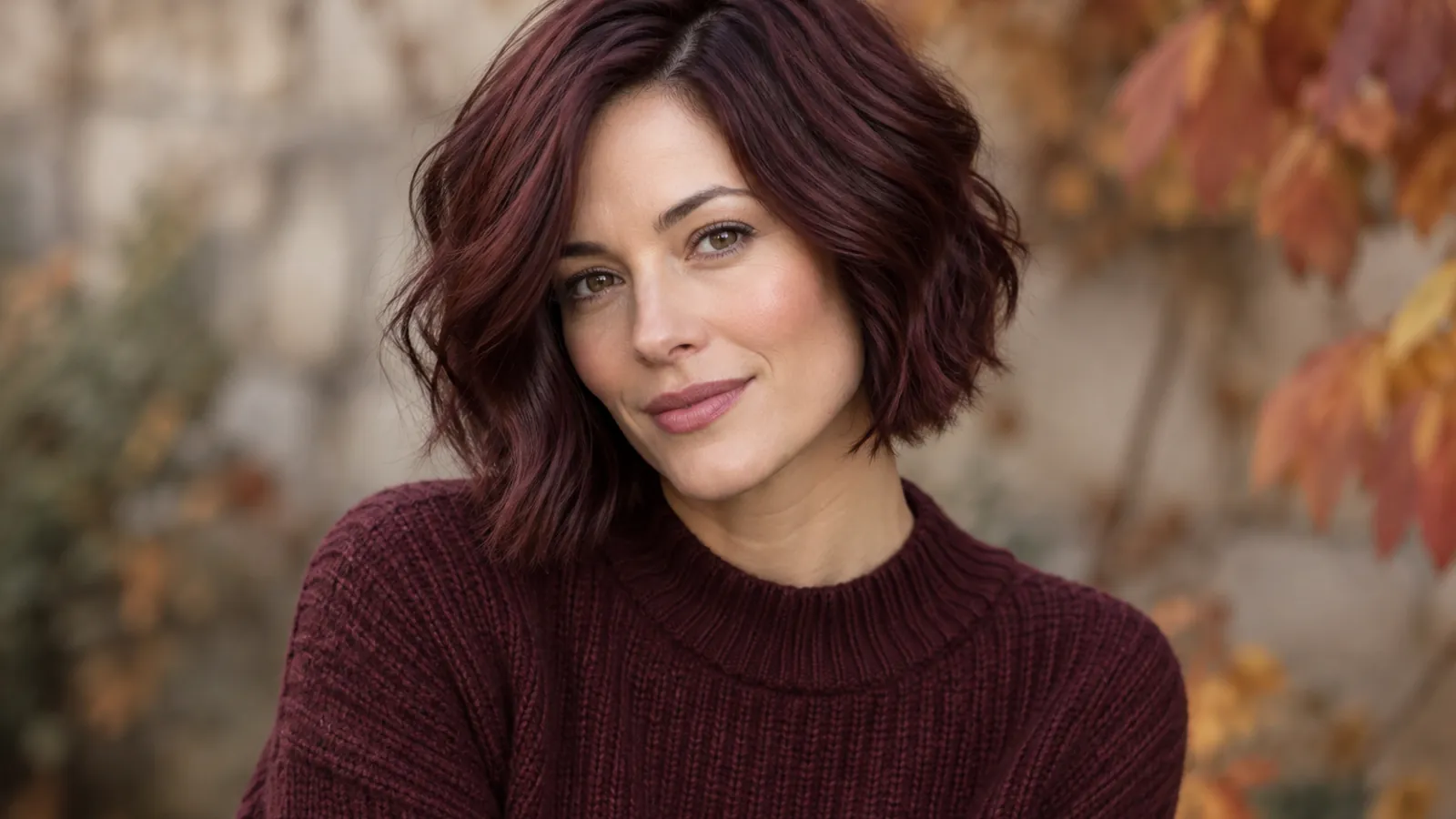
Soft merlot is a deep brown-red with a controlled wine undertone. The most wearable version remains grounded in brunette and reveals its red-violet character when light moves across the hair.
This is still a noticeable color change, and fading may expose warmth. Ask about realistic upkeep, color-safe washing habits and the route back to brown if you later change direction.
What to ask for
- Specify brown-red rather than vivid burgundy or purple.
- Review the shade in natural light before committing.
- Plan for gloss refreshes if maintaining richness matters.
A useful starting point for: Medium to deep brunettes who want a clear seasonal statement.
Frequently asked questions
Which fall hair color is lowest maintenance?
A shade close to your natural depth with low contrast is usually easiest. Espresso brunette, bronzed black or softly placed maple balayage may grow out more gently when matched carefully to the starting color.
Which warm hair colors fade fastest?
Copper and red tones often lose visible intensity quickly. Washing frequency, water temperature, sun exposure, porosity and product choice all affect how the color changes.
Should I choose a hair color from a photo alone?
Use photos to communicate direction, not guarantee an identical result. A colorist must consider your current level, previous color, texture, condition and the lighting or editing in the reference.
Can every shade be achieved in one appointment?
No. Major lightening, removal of dark dye or correction of uneven color may require multiple sessions. A safe staged plan is better than forcing the final shade immediately.
The images in this story were created with AI as original editorial visuals and reviewed to ensure that each image is relevant to the accompanying guidance.