Hair glossing has moved from an optional salon add-on to one of 2026's most searched hair-care ideas. The appeal is easy to understand: instead of committing to a dramatic cut or permanent color, people want hair that looks smoother, richer and more reflective. The phrase covers several different products, however, and those differences matter. A clear professional gloss, a tinted demi-permanent color and a conditioning shine treatment sold for home use are related, but they are not interchangeable.
This guide explains what hair gloss can realistically do without treating shine as proof of hair health. Results vary with porosity, previous color, texture, formula and application. If your scalp is irritated, you have reacted to hair color before, or you are considering a significant tone correction, speak with a qualified colorist or medical professional rather than experimenting on your own.
A hair gloss is a temporary or demi-permanent treatment designed to add shine and, in tinted versions, subtly adjust tone. It can make color look fresher and the surface feel smoother, but it does not repair split ends or permanently change your natural color. Salon glosses offer customized tone and controlled application; at-home glosses are more convenient but should be patch-tested and used exactly as directed.
1. What a hair gloss actually does
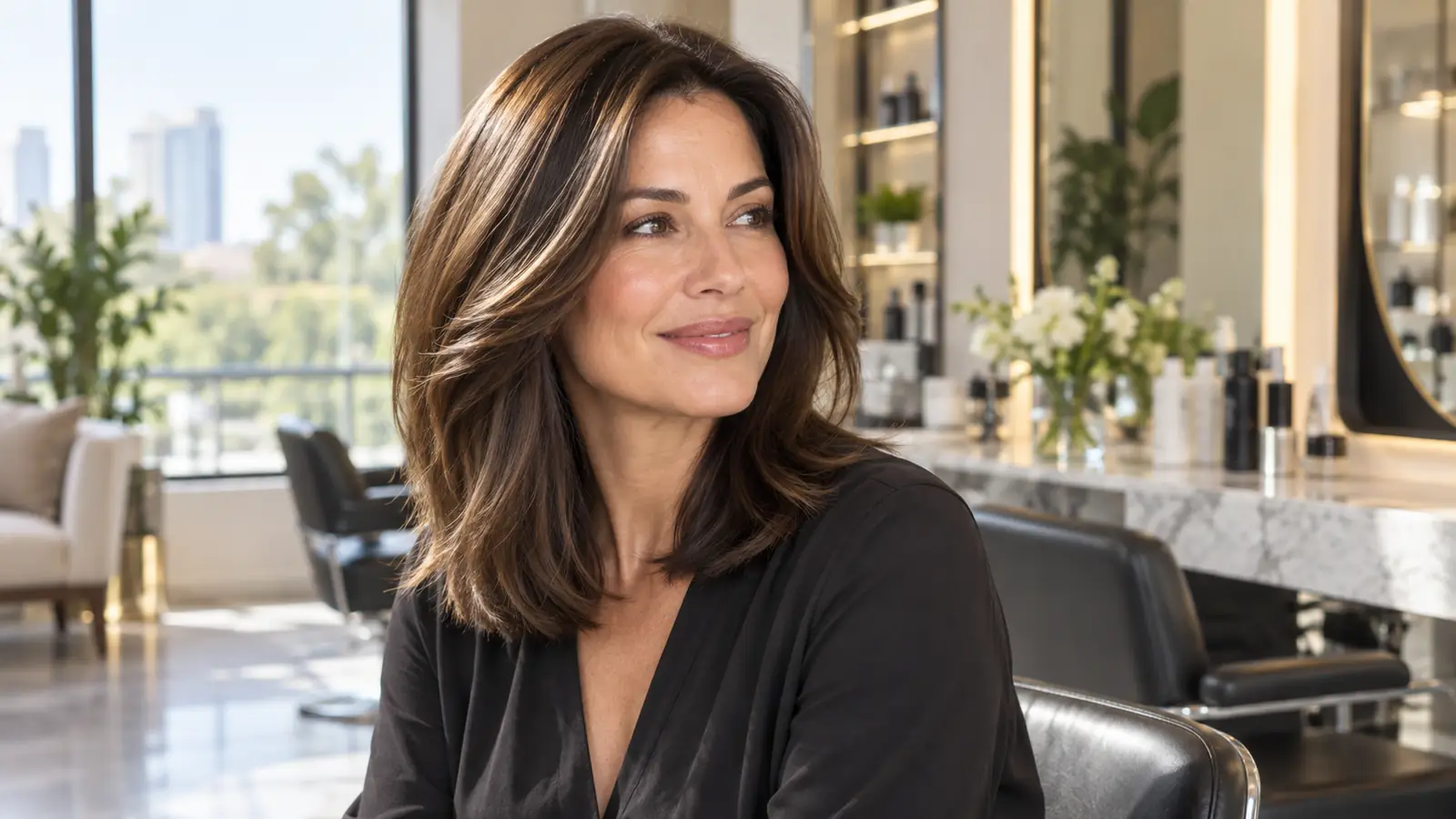
A gloss coats or lightly deposits color near the surface of the hair, depending on its formula. By making the cuticle lie more evenly and adding a translucent layer, it can help light reflect in a more continuous way. That is why hair often looks deeper in color and smoother immediately after treatment, even when the shade has changed very little.
The effect is cosmetic and gradual rather than permanent. Washing, heat styling, sun exposure and the condition of the hair all influence how quickly it fades. A gloss cannot fuse split ends back together, rebuild severely damaged fibers or turn very dark hair substantially lighter. It is most convincing when the goal is refinement: more shine, a softer unwanted tone, or renewed richness between full color appointments.
What to know
- Expect added reflection and a temporary surface-smoothing effect.
- Treat subtle tonal adjustment as realistic; dramatic lightening is not.
- Remember that shine and structural repair are different claims.
- Judge the result after styling in natural light, not only under salon lamps.
Most useful for: Dull-looking lengths, color that needs a subtle refresh and anyone wanting a lower-commitment change.
2. Clear salon gloss: shine without a deliberate color shift
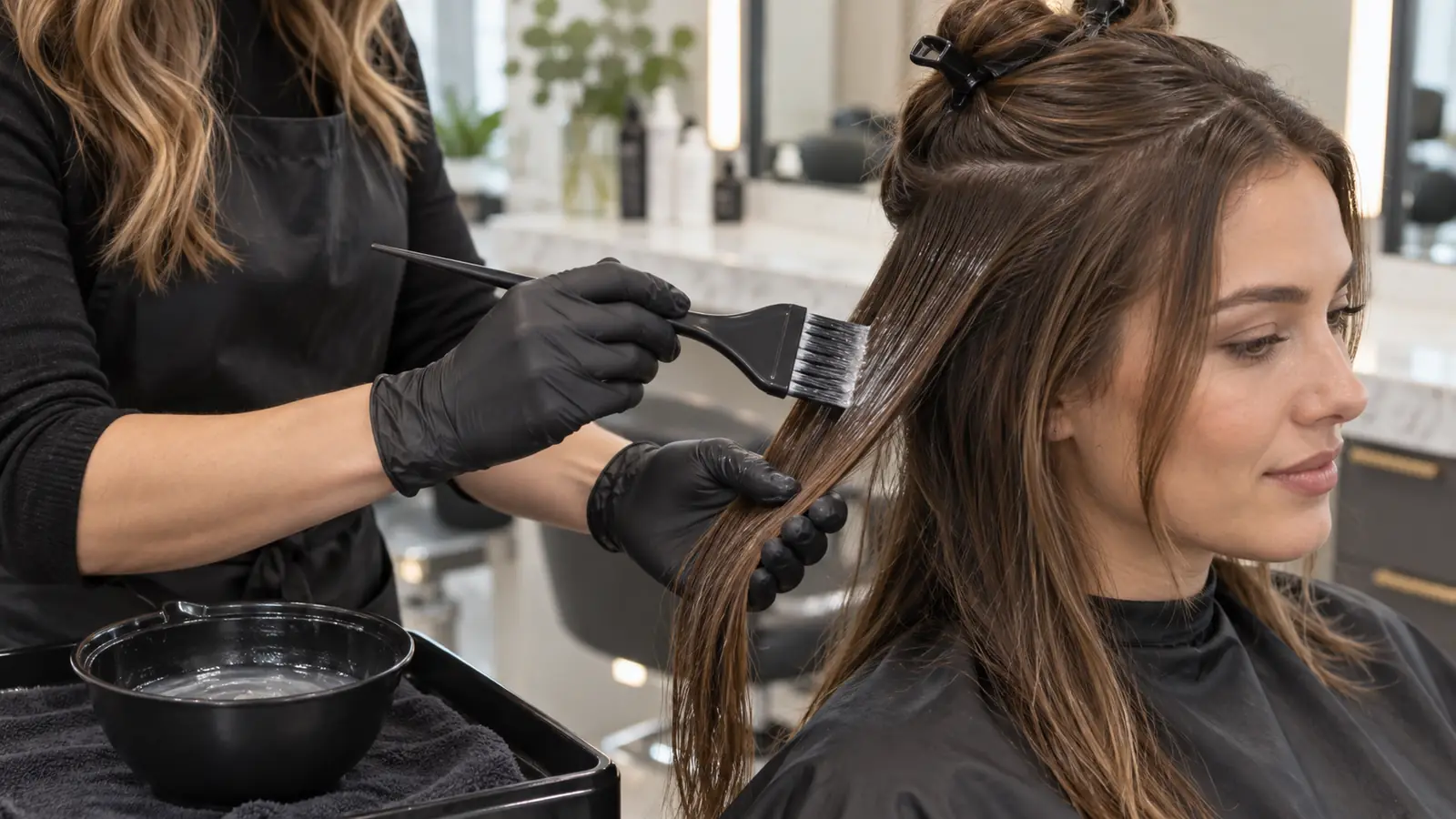
A clear gloss is chosen primarily for reflection and feel rather than a visible new shade. In a salon, the colorist can assess whether the lengths are porous, freshly lightened, naturally textured or carrying layers of previous color. That assessment helps determine the formula, placement and processing time instead of treating every strand identically.
Clear does not mean completely risk-free or suitable for every situation. Professional gloss systems differ, and some use developers or ingredients associated with color services. Tell the colorist about previous reactions, recent chemical treatments and any scalp sensitivity. If your hair is extremely compromised, the best recommendation may be a trim, gentler conditioning routine or delayed service rather than another chemical process.
What to know
- Share your complete color and chemical-service history.
- Ask whether the selected formula contains pigment or developer.
- Confirm whether a sensitivity test is appropriate before the appointment.
- Discuss how the gloss may behave differently on porous ends and healthier roots.
Most useful for: Hair whose tone already feels right but looks less reflective, and clients who want professional assessment and even application.
3. Tinted gloss: a temporary tone refresh
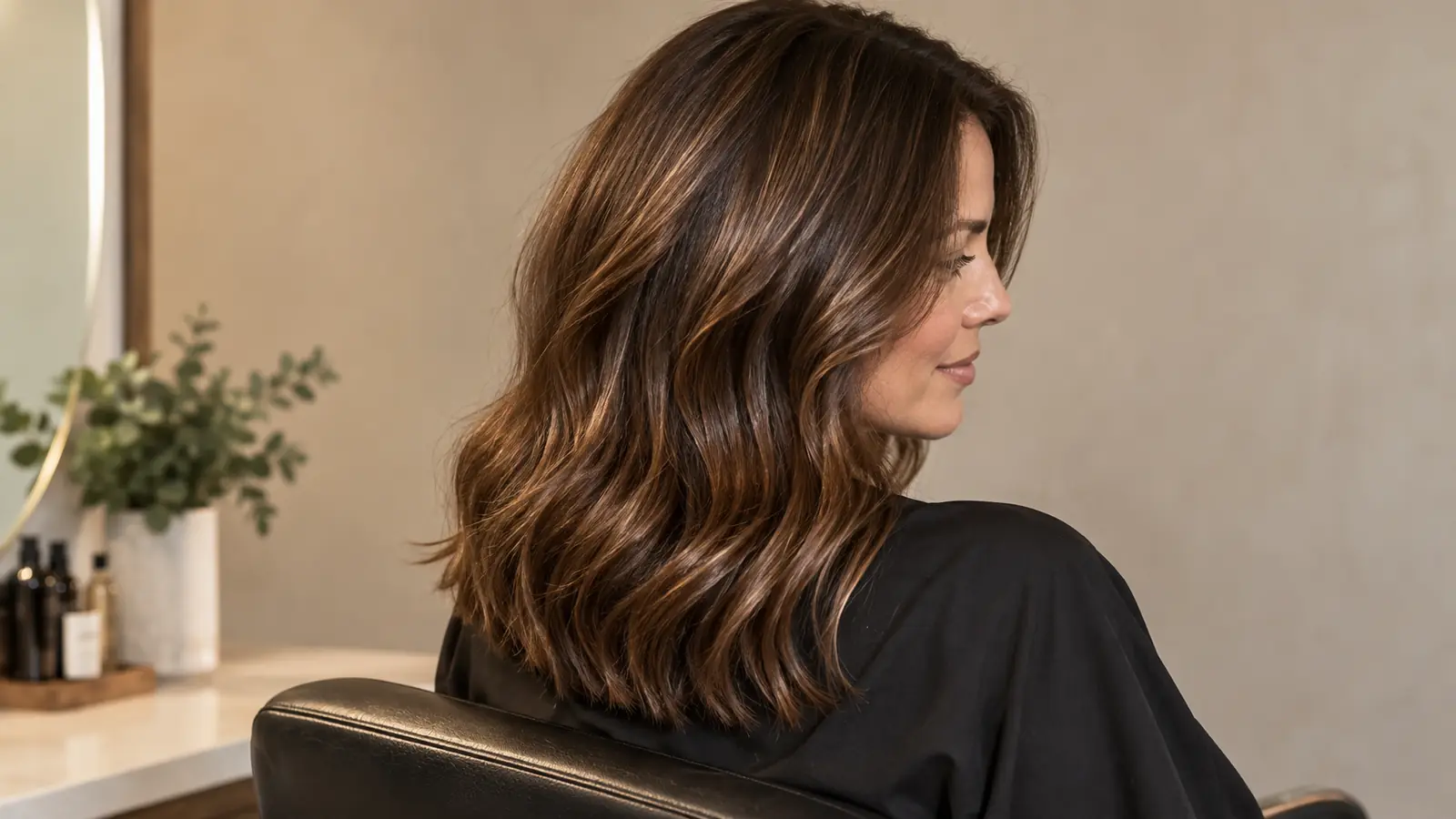
Tinted gloss combines shine with a small amount of color deposit. A brunette gloss may restore chocolate or neutral depth, a copper formula can reinforce warmth, and a cool or violet-leaning option may soften some unwanted warmth in blonde or gray hair. Because the deposit is translucent, it generally refines the existing level rather than replacing it with an opaque new color.
Porous areas can absorb pigment faster or darker than expected, especially on highlighted ends. This is where customized salon formulation has an advantage. Bring reference photos that show the tone you like and, equally important, explain what you do not want. Words such as ash, caramel and chocolate mean different things to different people; a visual reference and a strand test are clearer than a trend name alone.
What to know
- Choose the tonal problem before choosing a fashionable shade name.
- Use reference images photographed in ordinary daylight.
- Ask how porous highlights or ends may take the pigment.
- Request a strand test when the result is uncertain or the color history is complex.
Most useful for: Previously colored hair that has faded, subtle neutralizing and seasonal adjustments without a permanent overhaul.
4. At-home hair gloss: convenient, but follow the formula
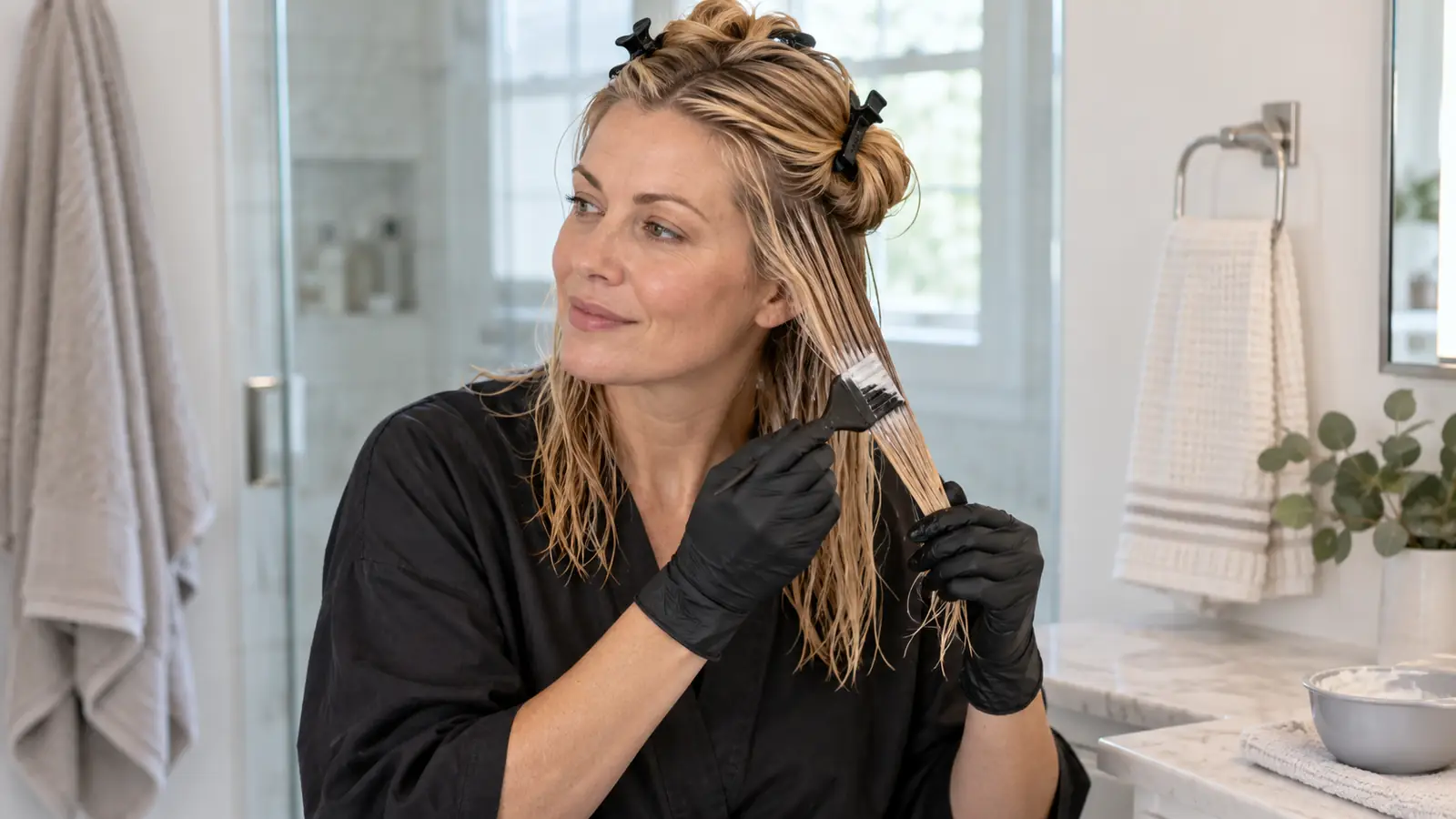
At-home products range from pigmented conditioning masks to formulas closer to demi-permanent color. Read the complete instructions before buying rather than assuming every box labeled gloss works the same way. Check whether it is intended for natural, color-treated, highlighted or gray hair; whether it needs mixing; and whether the manufacturer requires a patch or strand test.
Do not improvise the processing time to chase a stronger result. Apply with gloves, protect clothing and surfaces, divide the hair into manageable sections and saturate only as directed. A strand test is particularly valuable for blonde, highlighted, gray or highly porous hair, where even a subtle tint can appear more strongly. Never combine products or add developer unless the instructions explicitly require the supplied components.
What to know
- Read the label and safety directions at least 48 hours before planned use.
- Complete required allergy and strand testing exactly as instructed.
- Use gloves, sections and a timer for even controlled application.
- Rinse at the stated time and stop immediately if you experience concerning irritation.
Most useful for: Simple maintenance between appointments when the product is designed for your current color and hair condition.
5. How to help a gloss stay reflective
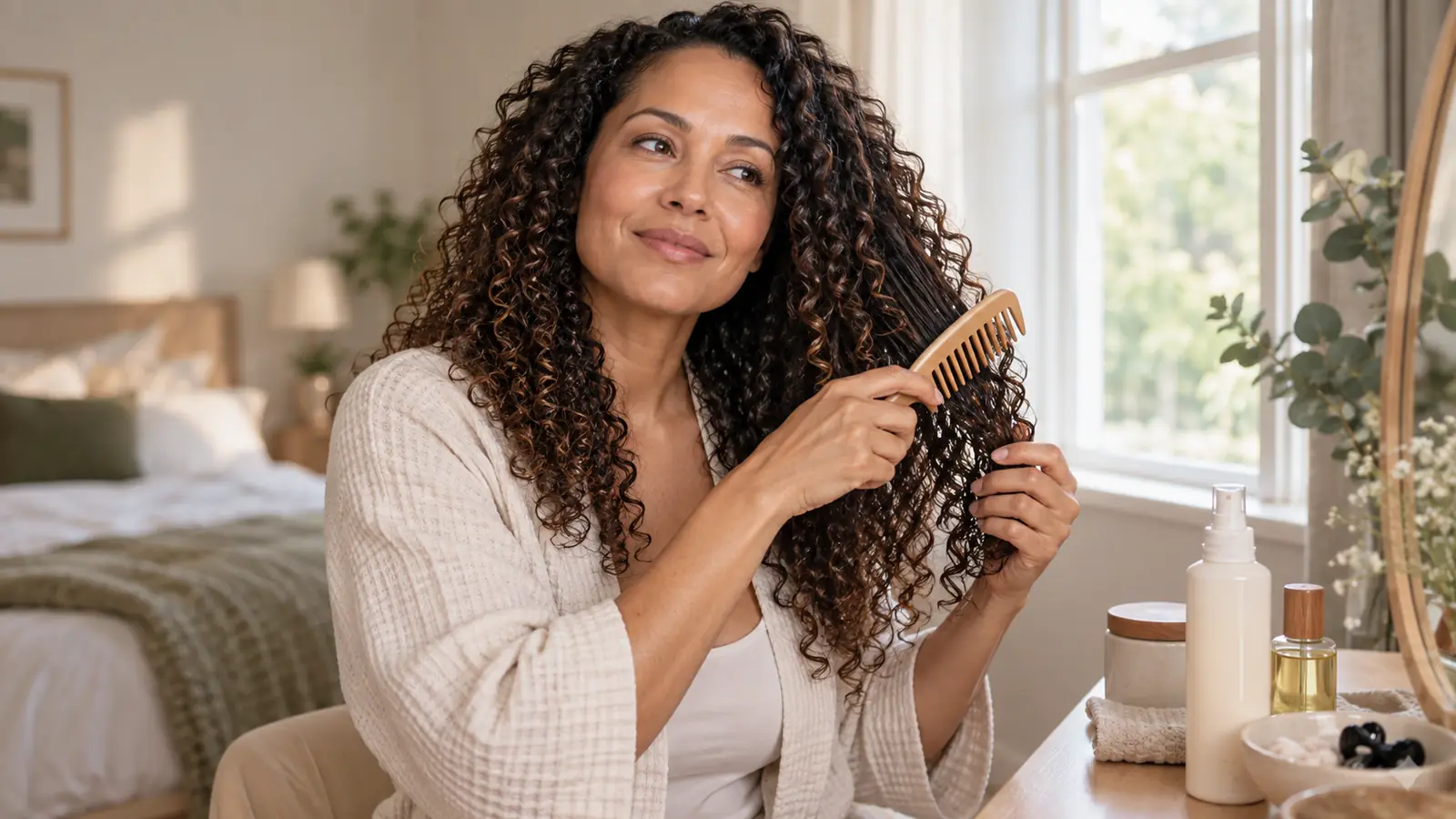
Aftercare does not need to become a complicated product system. Follow the formula or colorist's guidance about the first wash, then use water temperatures and cleansing frequency that are comfortable for your scalp and realistic for your texture. Repeated high heat and aggressive washing can make a temporary result fade faster, while heavy layers of oil can create surface gloss without solving dryness underneath.
Curly and coily hair reflects light differently from straight hair because each bend changes the angle of reflection. A successful gloss should not require flattening the natural pattern to prove that it worked. Prioritize definition, slip and gentle detangling, then assess shine across the curves in natural light. Use heat protection whenever you heat-style and keep tools at the lowest effective temperature for the result you want.
What to know
- Follow the recommended wait before the first shampoo.
- Cleanse according to scalp needs rather than stretching washes uncomfortably.
- Detangle gently and use conditioning suited to your texture and porosity.
- Limit unnecessary high heat and use heat protection when styling.
Most useful for: Every hair texture, with the routine adjusted to scalp comfort, porosity and normal styling habits.
Frequently asked questions
How long does a hair gloss last?
Hair gloss is temporary and fades progressively with washing. The exact duration depends on the formula, porosity, cleansing routine, heat and environmental exposure. Use the manufacturer's estimate or ask your colorist about the specific professional formula rather than relying on one universal number.
Is hair gloss the same as hair glaze?
The names are often used inconsistently. Some brands use glaze for a shorter-lived surface treatment and gloss for a demi-permanent formula, while others use the terms almost interchangeably. Check whether the individual product contains pigment, requires developer and how it is intended to be used.
Can a gloss cover gray hair?
A tinted gloss may blend or soften the contrast of some gray strands, but it usually does not provide the opaque, lasting coverage associated with permanent color. Results depend on the percentage and texture of gray hair and the formula selected.
Does hair gloss damage hair?
Formulas vary, so there is no single answer for every product or head of hair. A gloss is generally positioned as lower commitment than permanent color, but reactions, dryness or unexpected color are still possible. Follow testing and timing directions and consult a professional when hair is fragile or chemically complex.
Can I gloss natural, uncolored hair?
Yes, some clear and tinted glosses are designed for natural hair. A clear option may increase surface shine, while a tinted one can add a subtle cast. Confirm that the specific product is suitable for uncolored hair and perform all required testing.
Anna reviewed the article for clarity, image relevance, realistic expectations and alignment with the Lively Edit editorial policy. Safety and health claims are checked against appropriate authoritative sources; the updated date changes only after a meaningful review.
Read our editorial process →The images in this story were created with AI as original editorial visuals and reviewed to ensure that each image is relevant to the accompanying guidance.