A new color combination can make familiar clothes feel considered again. The most successful palettes do not require every item to match perfectly; they create a clear relationship between one grounding neutral, one supporting color and an optional accent.
These five combinations begin with pieces many wardrobes already contain. Use the proportions rather than copying every garment: one dominant neutral, one visible secondary color and accessories that repeat or quietly support the palette.
Camel and burgundy is the easiest warm pairing; olive and cream feels relaxed; chocolate and powder blue modernizes tailoring; charcoal and blush softens workwear; and navy with rust creates the clearest autumn contrast.
1. Camel + burgundy + charcoal
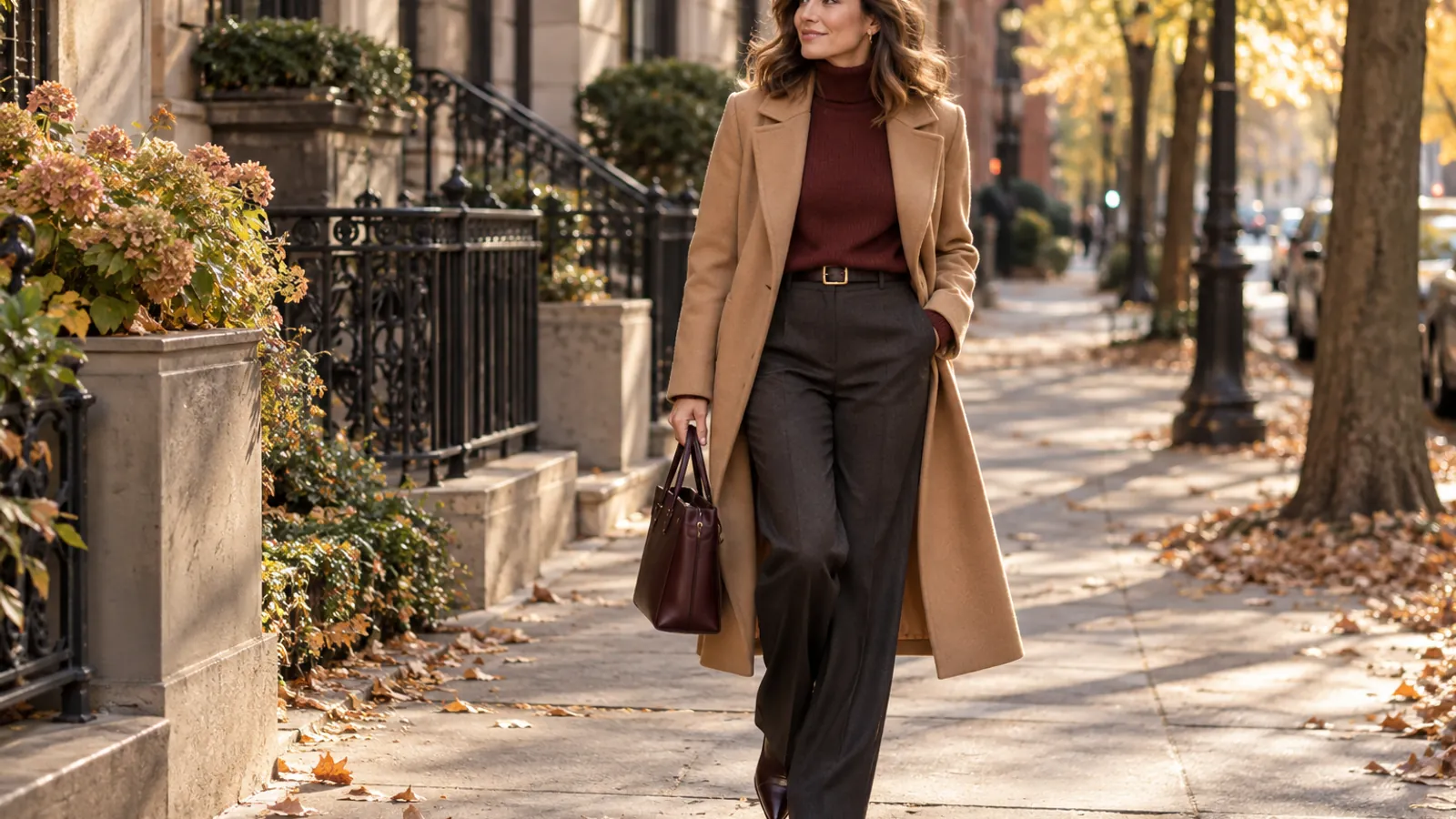
Camel and burgundy share warmth, so they look intentional without feeling overly coordinated. Charcoal grounds both colors and is often softer than adding true black.
Let camel occupy the largest area through a coat, then keep burgundy near the face. Trousers, denim or a skirt can supply the charcoal base.
How to build the palette
- Use camel as the dominant outer layer.
- Place burgundy near the face with a knit or scarf.
- Ground the look with charcoal or washed black.
Try it for: Workdays, dinners and polished weekend outfits.
2. Olive + cream + denim
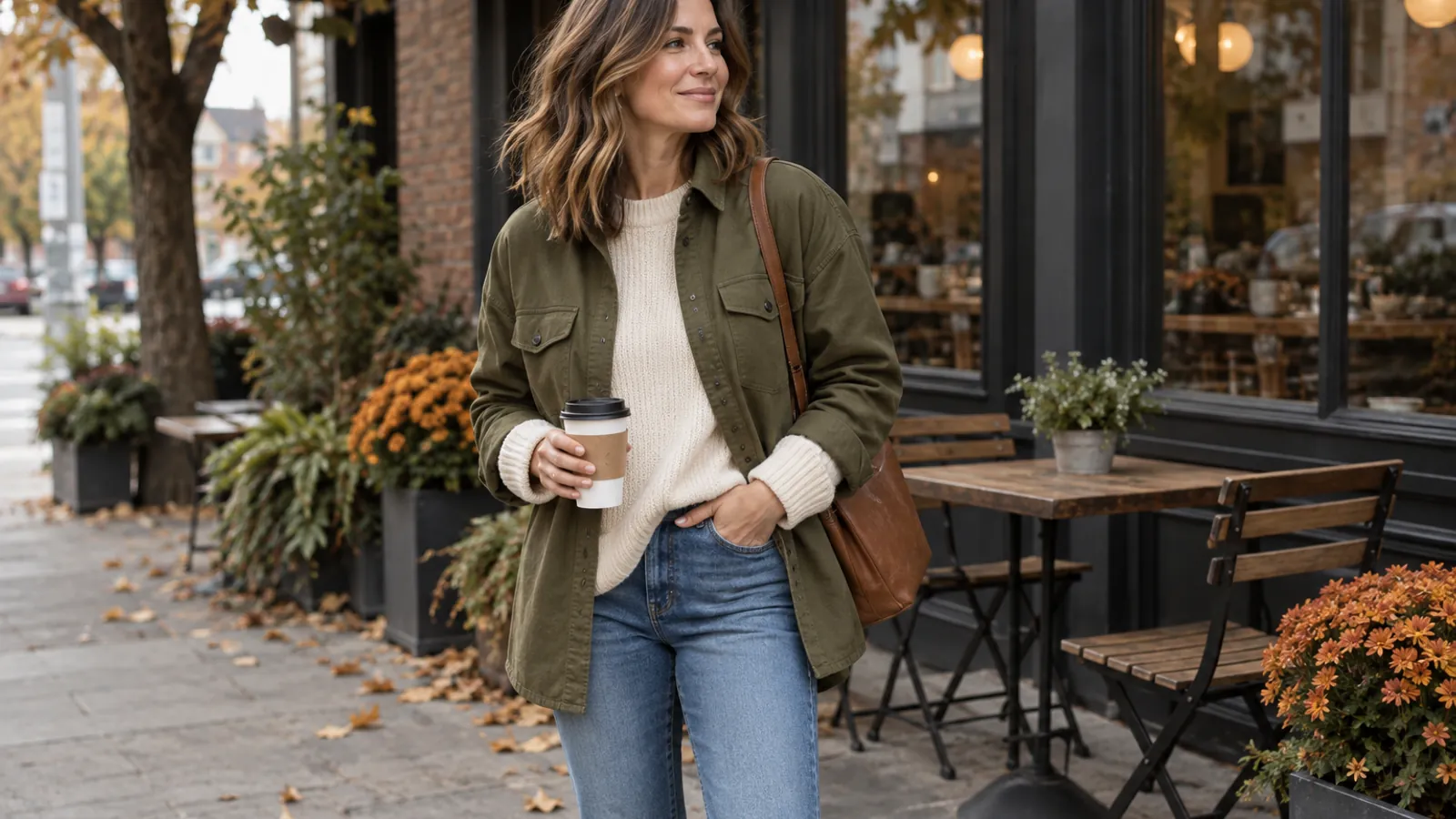
Olive can function as a neutral, particularly when it is slightly muted. Cream provides light contrast without the sharpness of optic white, and medium-wash denim adds familiar blue.
This combination works best when textures differ: sturdy cotton or twill beside a soft knit, finished with worn-in denim.
How to build the palette
- Begin with jeans you already wear often.
- Add a cream knit to brighten the center of the outfit.
- Use olive as the jacket, overshirt or bag.
Try it for: Casual offices, errands, travel and relaxed weekends.
3. Chocolate brown + powder blue
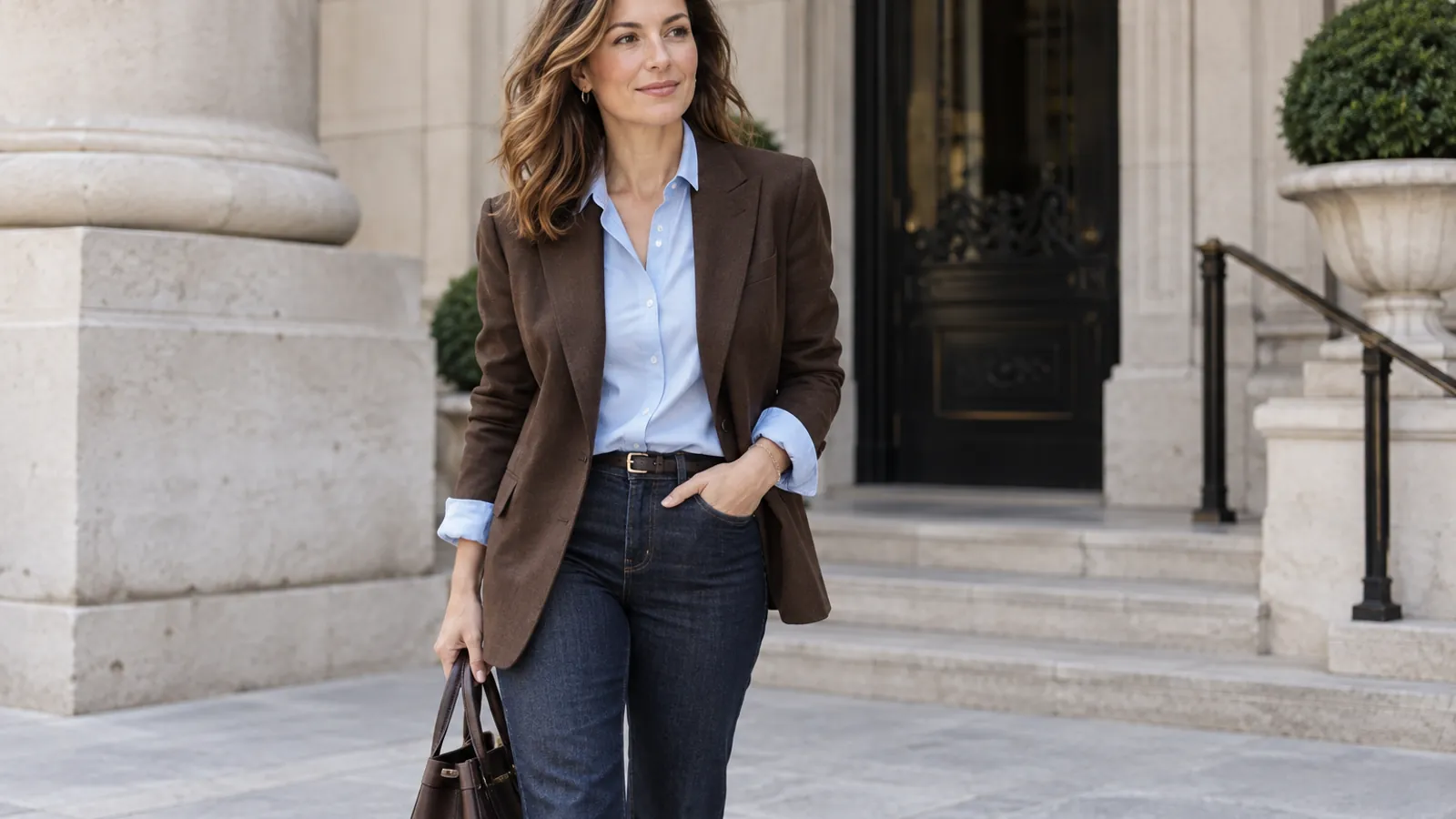
Chocolate tailoring has the depth of black with a softer, warmer effect. A powder-blue shirt creates clean contrast and makes the brown feel current rather than retro.
Dark denim bridges the two colors easily. Keep shoes and bag in brown, navy or oxblood so the pale blue remains the single light note.
How to build the palette
- Choose a deep brown jacket or cardigan.
- Add one clean powder-blue layer.
- Use dark denim or navy on the lower half.
Try it for: Smart casual dressing and updating classic shirts.
4. Charcoal + soft blush + white
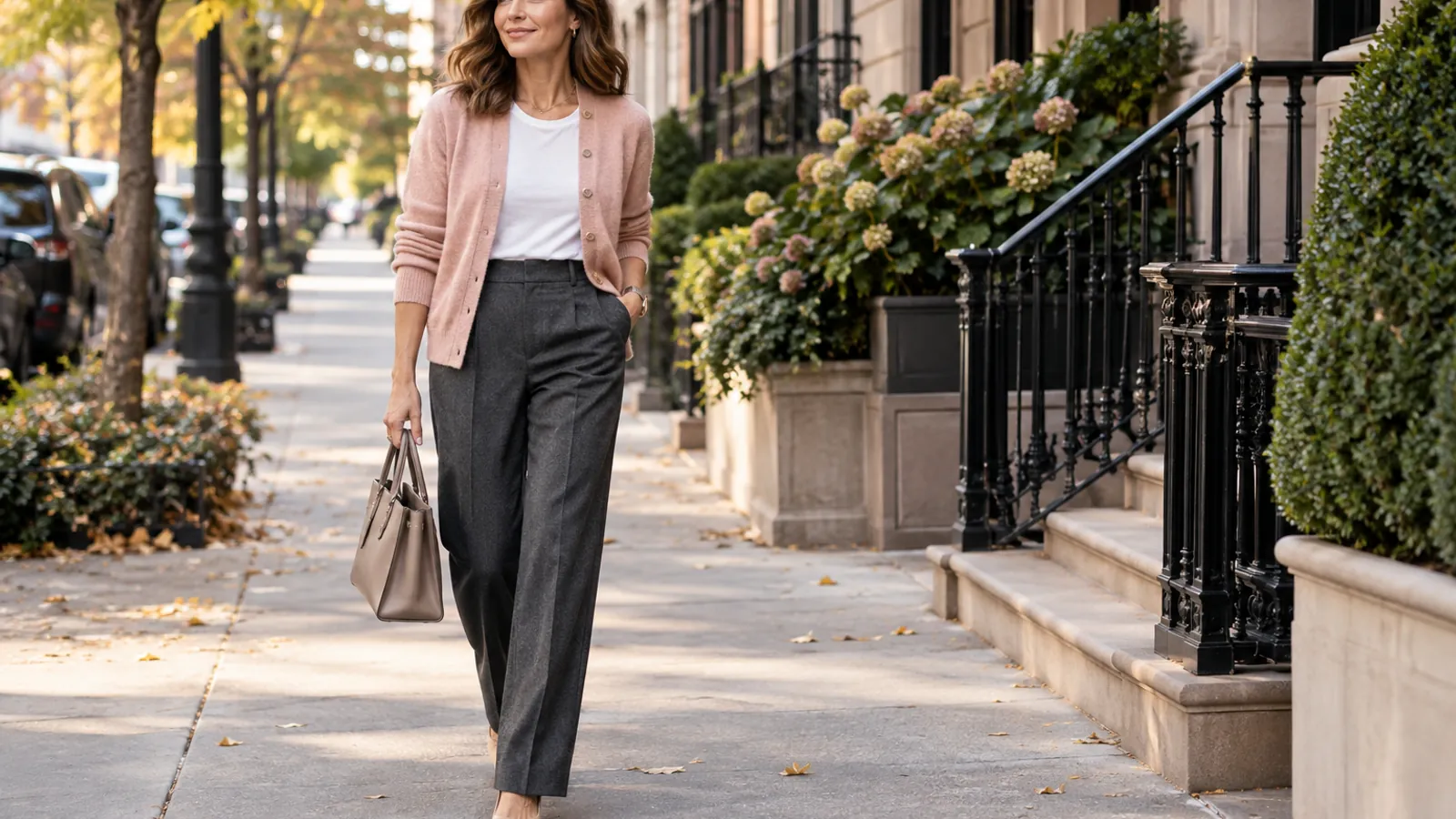
Blush works in fall when it is dusty rather than bright. Against charcoal trousers, the color adds warmth while preserving a calm, professional mood.
A small amount of white keeps the palette clear. If blush is not your color, try muted mauve or mushroom pink using the same proportions.
How to build the palette
- Anchor the outfit with charcoal trousers or a skirt.
- Add blush through a knit rather than every accessory.
- Use a white or cream base layer for separation.
Try it for: Comfortable workwear and light transitional days.
5. Navy + rust + cream
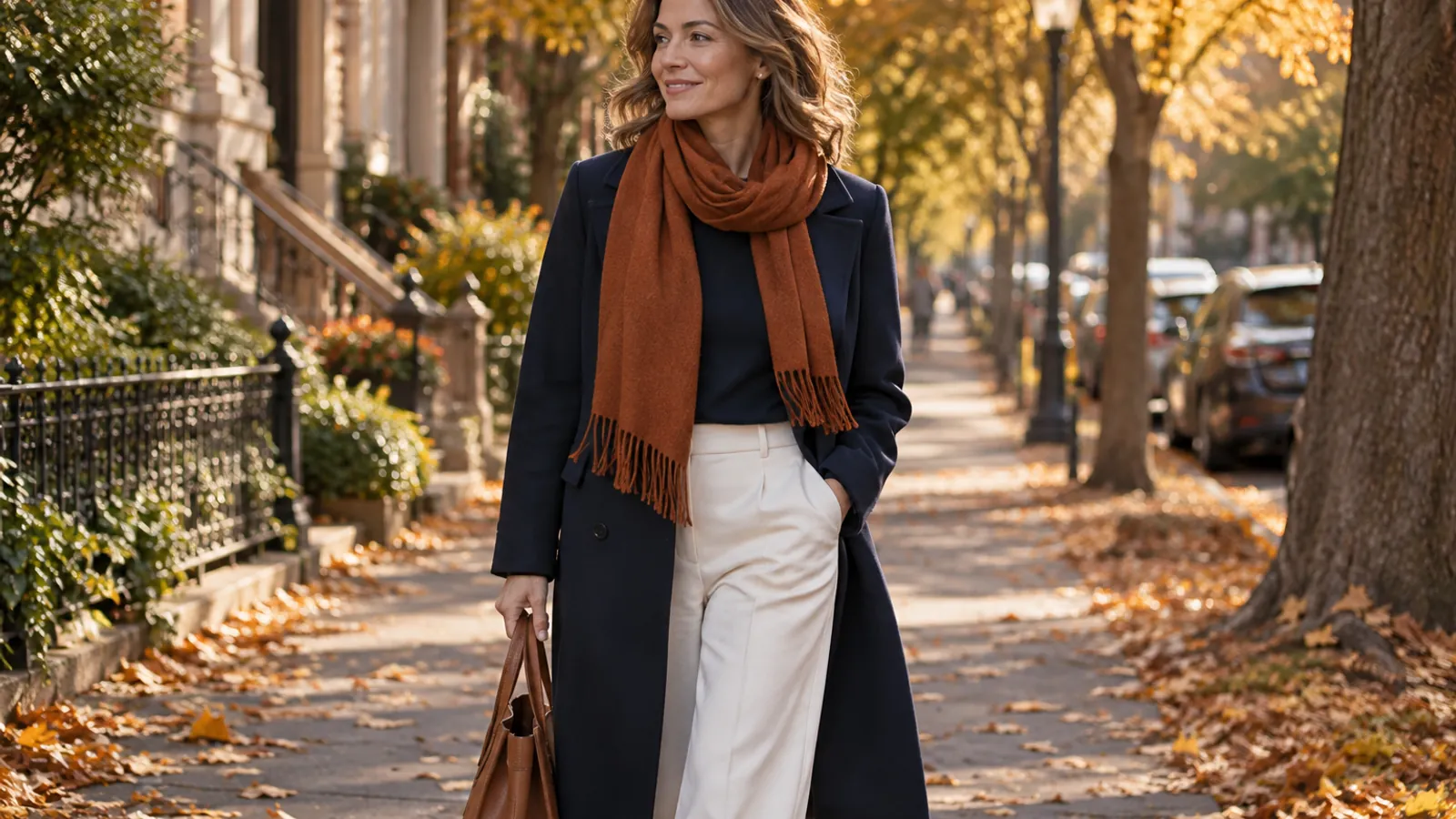
Navy and rust sit far enough apart to create energy while remaining easy to wear. A rust scarf is the lowest-commitment way to test the combination.
Cream trousers or a knit add visual space between the saturated colors. Brown leather accessories maintain the warmth without introducing another strong hue.
How to build the palette
- Use navy for the largest structured piece.
- Add rust as one concentrated accent.
- Lighten the look with cream and warm brown.
Try it for: Outerwear, travel outfits and sunny autumn afternoons.
Frequently asked questions
How many colors should an outfit include?
Three is a useful starting point: a dominant neutral, a secondary color and a smaller accent. Repeated shades and natural denim can behave like neutrals.
Do the colors need to match exactly?
No. Slight variation often looks more natural. Focus on whether the colors share a similar level of warmth, softness or depth.
What is the easiest fall color combination?
Camel, burgundy and charcoal is especially forgiving because all three colors pair naturally with common brown or black accessories.
The images in this story were created with AI as original editorial visuals and reviewed to ensure that each image is relevant to the accompanying guidance.