Layering works when every piece has a job. A thin base manages comfort, a middle layer provides warmth or structure, and outerwear protects from the weather. When two bulky pieces try to occupy the same space, pulling and bunching follow.
The seven formulas below use ordinary wardrobe pieces. Adjust fabric weight to climate and comfort, and test the full outfit while sitting and raising your arms—not only while standing in front of a mirror.
Begin with a close, breathable base; add one structured or insulating layer; and keep the outermost piece roomy enough to move. Limit competing hems, use tonal color to create continuity and place bulk where it will not bunch at the arms or waist.
1. Start with a fitted base under a blazer
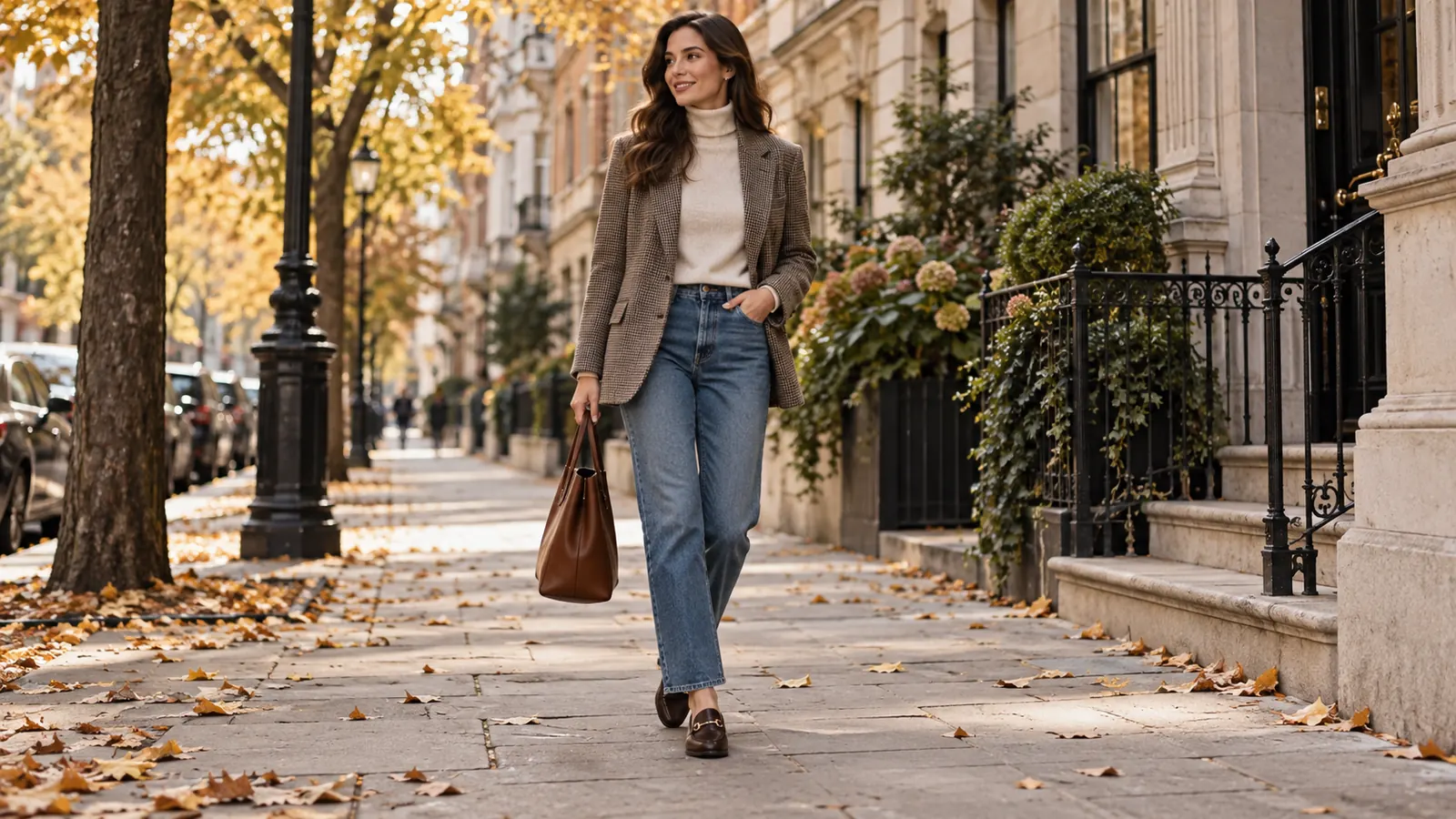
A smooth cotton or fine merino base keeps warmth close without filling the blazer sleeves. This option earns its place because it creates a clear result without adding unnecessary complication.
Tuck the base cleanly, leave breathing room at the neck and choose a blazer that closes without pulling Work in small, deliberate stages and pause to assess the overall balance before adding more.
The most successful version respects real-life maintenance: choose products, proportions and a finish you can comfortably repeat, then adapt the idea to your own features, wardrobe or routine.
Build the formula
- Prepare the layered outfit and decide the intended finish.
- Tuck the base cleanly, leave breathing room at the neck and choose a blazer that closes without pulling.
- Review the result in natural light and refine only what needs attention.
Especially useful for: Workdays and changeable indoor temperatures
2. Use a sleeveless tailored vest
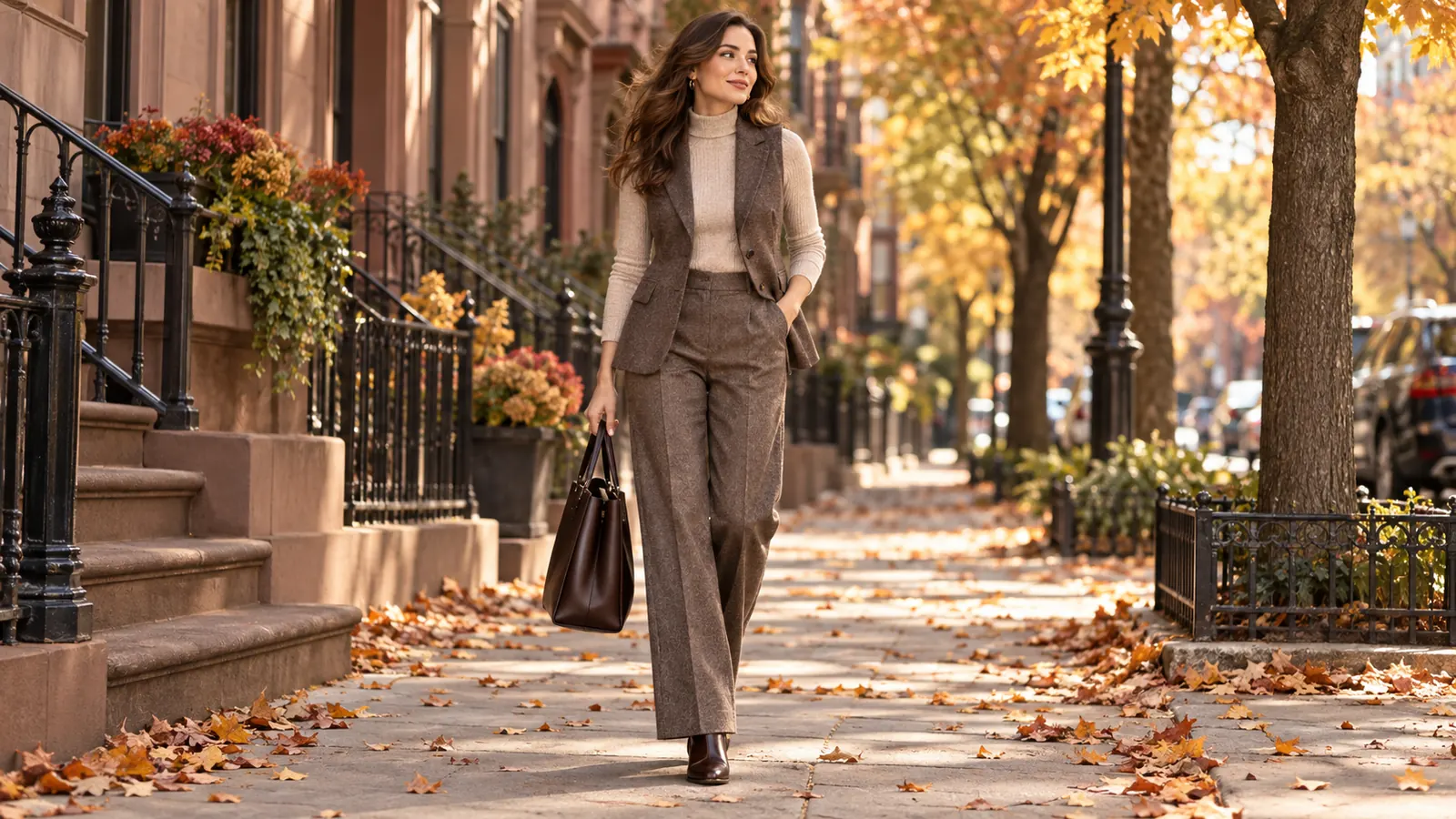
A vest adds polish and core warmth while leaving the arms free from another fabric layer. This option earns its place because it creates a clear result without adding unnecessary complication.
Wear it over a fine knit and repeat the trouser color for a long clean line Work in small, deliberate stages and pause to assess the overall balance before adding more.
The most successful version respects real-life maintenance: choose products, proportions and a finish you can comfortably repeat, then adapt the idea to your own features, wardrobe or routine.
Build the formula
- Prepare the layered outfit and decide the intended finish.
- Wear it over a fine knit and repeat the trouser color for a long clean line.
- Review the result in natural light and refine only what needs attention.
Especially useful for: Offices, dinners and mild fall days
3. Layer a cropped knit over a shirt
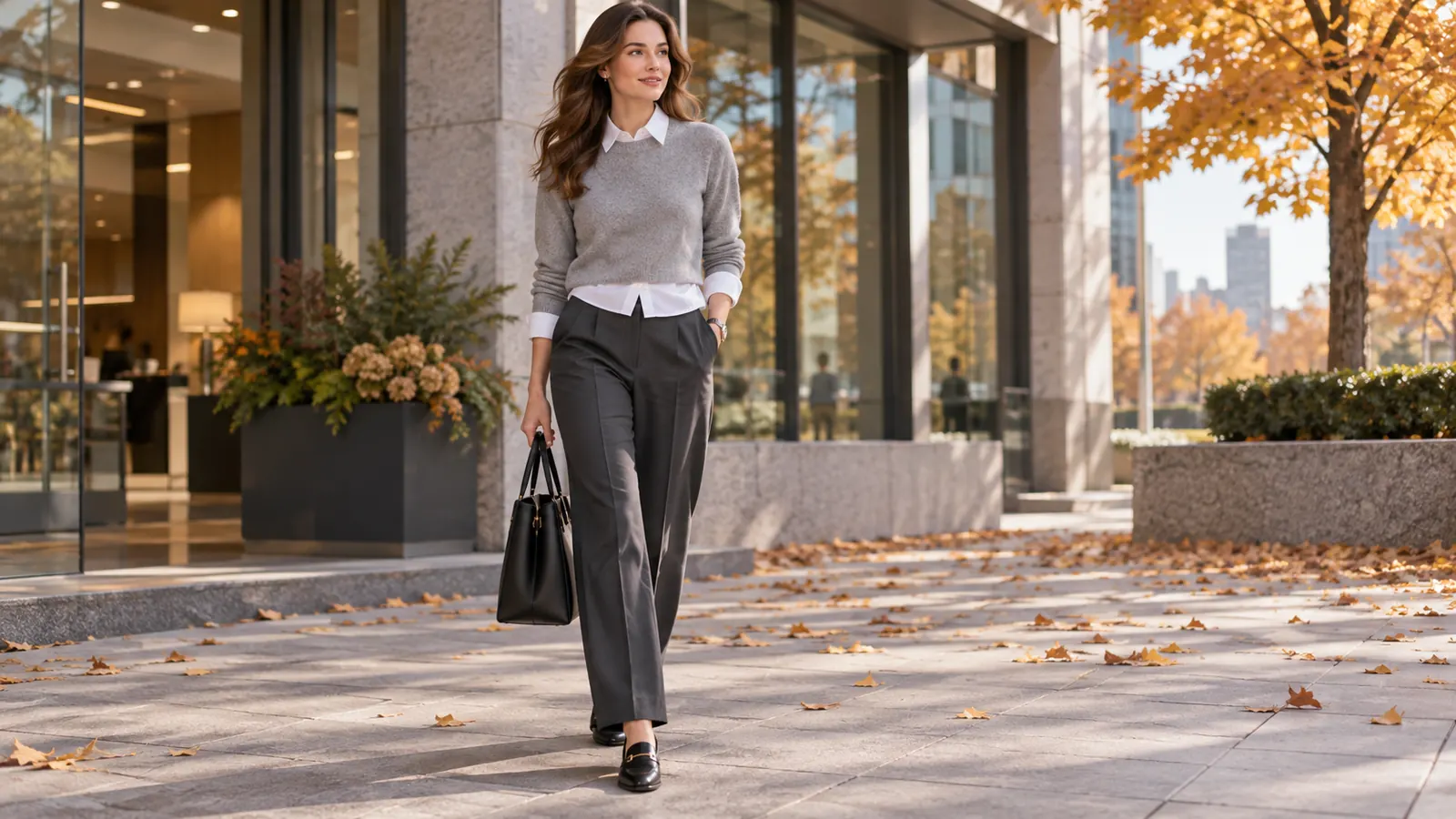
A shorter sweater prevents two long hems from gathering around the hips. This option earns its place because it creates a clear result without adding unnecessary complication.
Let the collar and cuffs show, then keep the shirt hem controlled with a partial or full tuck Work in small, deliberate stages and pause to assess the overall balance before adding more.
The most successful version respects real-life maintenance: choose products, proportions and a finish you can comfortably repeat, then adapt the idea to your own features, wardrobe or routine.
Build the formula
- Prepare the layered outfit and decide the intended finish.
- Let the collar and cuffs show, then keep the shirt hem controlled with a partial or full tuck.
- Review the result in natural light and refine only what needs attention.
Especially useful for: Petite proportions and high-rise trousers
4. Build a tonal column beneath an open cardigan
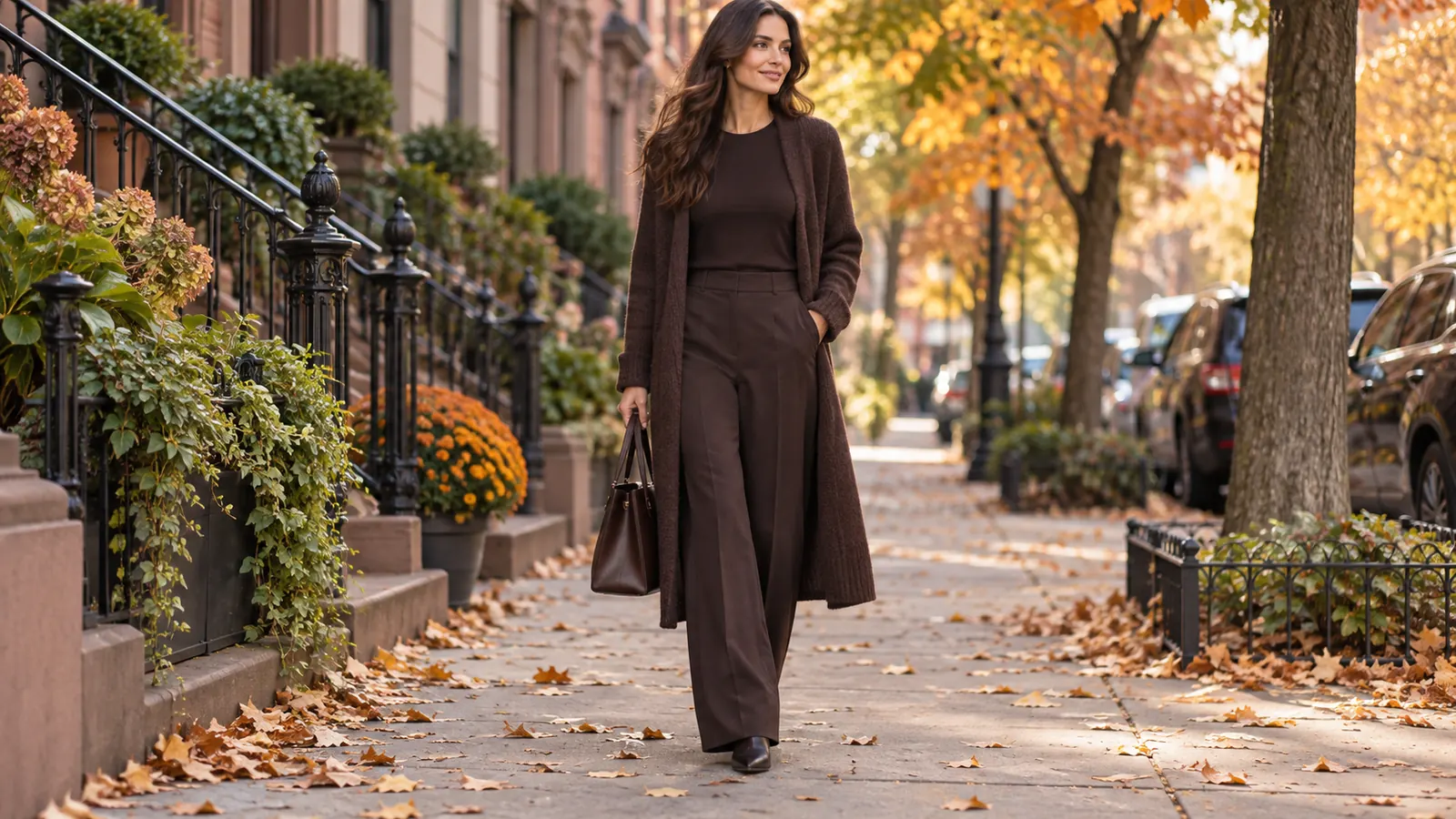
One continuous color beneath an open layer reduces visual breaks and makes the silhouette feel longer. This option earns its place because it creates a clear result without adding unnecessary complication.
Match the top and trouser depth closely, then add a lighter or warmer cardigan Work in small, deliberate stages and pause to assess the overall balance before adding more.
The most successful version respects real-life maintenance: choose products, proportions and a finish you can comfortably repeat, then adapt the idea to your own features, wardrobe or routine.
Build the formula
- Prepare the layered outfit and decide the intended finish.
- Match the top and trouser depth closely, then add a lighter or warmer cardigan.
- Review the result in natural light and refine only what needs attention.
Especially useful for: Travel, casual work and comfortable days
5. Belt a light trench over a knit dress
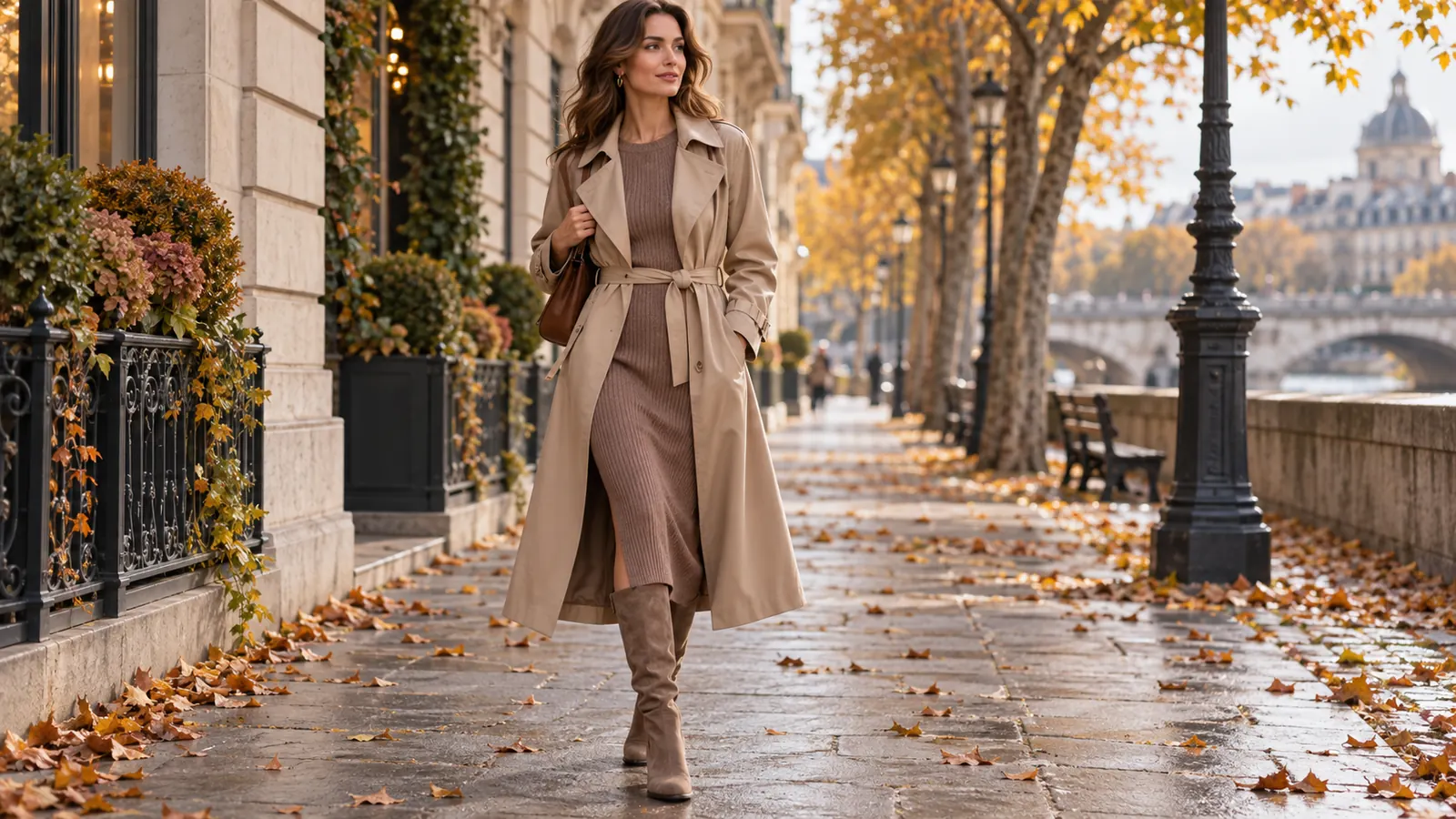
A single dress replaces separate top and bottom layers, while the belt creates definition without stacking waistbands. This option earns its place because it creates a clear result without adding unnecessary complication.
Keep the dress knit smooth and tie the trench loosely rather than cinching hard Work in small, deliberate stages and pause to assess the overall balance before adding more.
The most successful version respects real-life maintenance: choose products, proportions and a finish you can comfortably repeat, then adapt the idea to your own features, wardrobe or routine.
Build the formula
- Prepare the layered outfit and decide the intended finish.
- Keep the dress knit smooth and tie the trench loosely rather than cinching hard.
- Review the result in natural light and refine only what needs attention.
Especially useful for: Rainy commutes and polished everyday wear
6. Put a compact jacket under a roomy coat
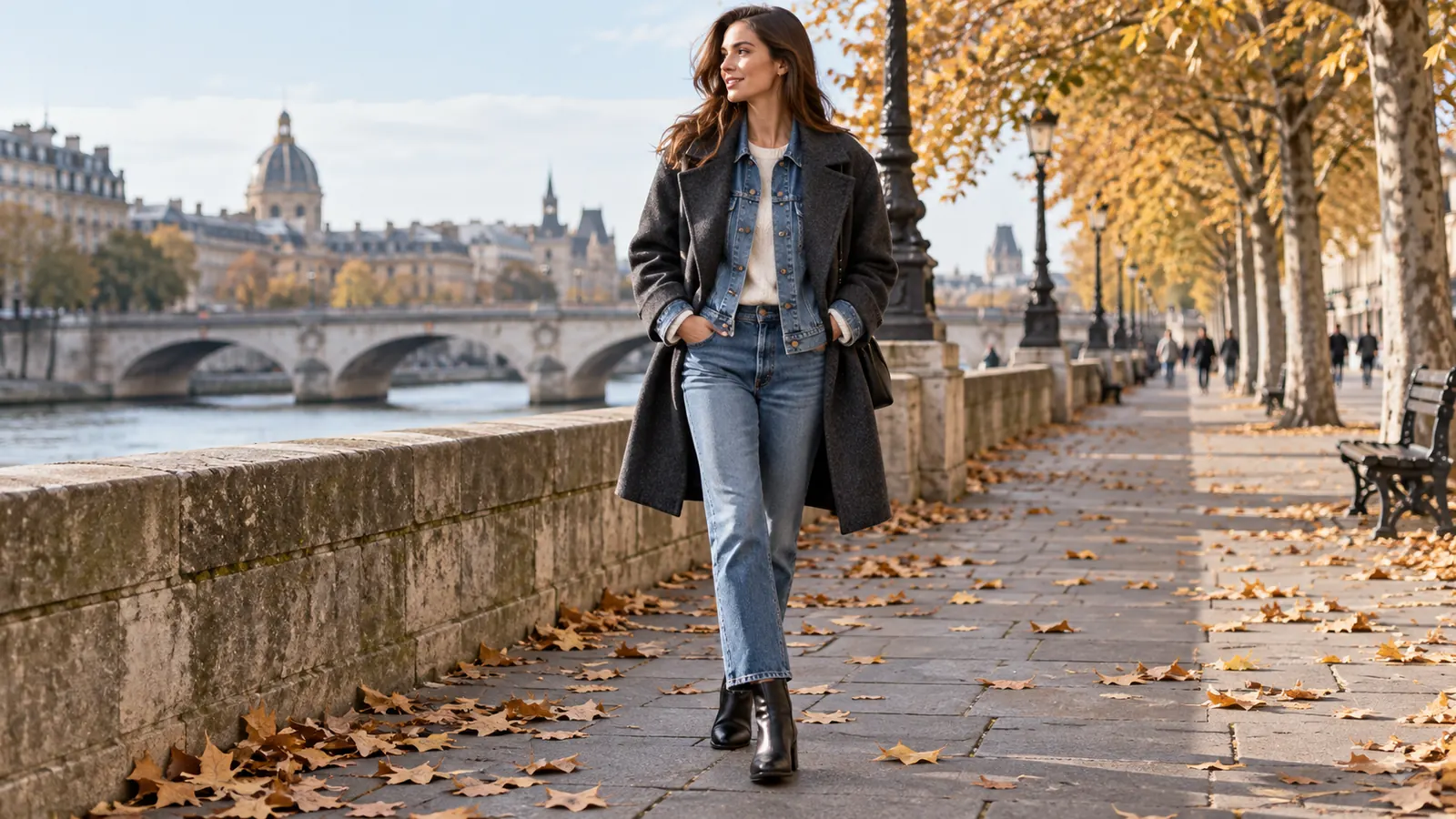
A denim jacket can act as a middle layer when the coat has enough ease through the shoulders and sleeves. This option earns its place because it creates a clear result without adding unnecessary complication.
Choose a jacket without bulky lining and leave the outer coat relaxed Work in small, deliberate stages and pause to assess the overall balance before adding more.
The most successful version respects real-life maintenance: choose products, proportions and a finish you can comfortably repeat, then adapt the idea to your own features, wardrobe or routine.
Build the formula
- Prepare the layered outfit and decide the intended finish.
- Choose a jacket without bulky lining and leave the outer coat relaxed.
- Review the result in natural light and refine only what needs attention.
Especially useful for: Cold mornings that warm up later
7. Use a scarf as the final light layer
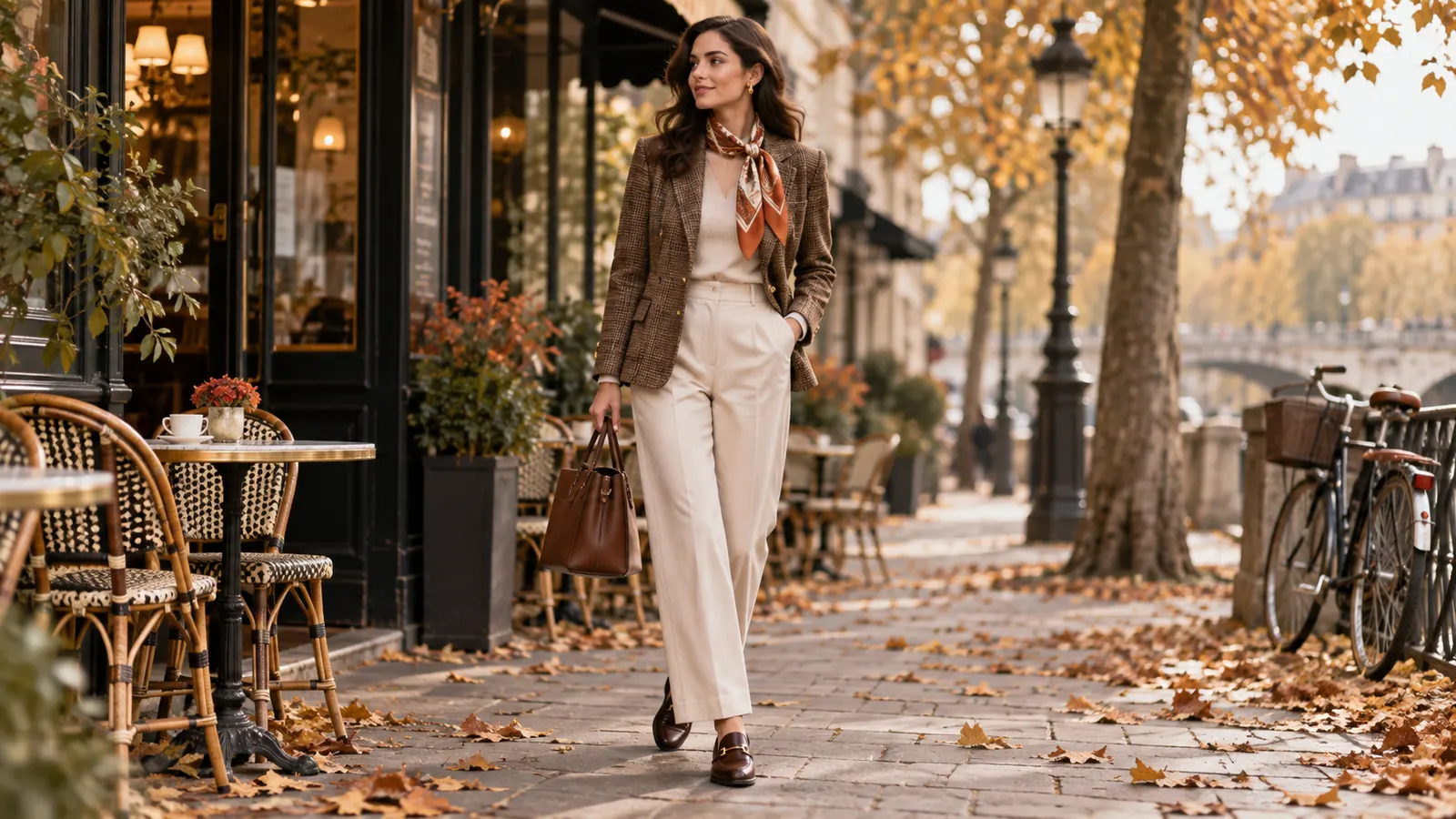
A scarf adds warmth near the neck and color near the face without another full garment. This option earns its place because it creates a clear result without adding unnecessary complication.
Choose a soft fabric, keep the knot simple and let a structured jacket provide the outline Work in small, deliberate stages and pause to assess the overall balance before adding more.
The most successful version respects real-life maintenance: choose products, proportions and a finish you can comfortably repeat, then adapt the idea to your own features, wardrobe or routine.
Build the formula
- Prepare the layered outfit and decide the intended finish.
- Choose a soft fabric, keep the knot simple and let a structured jacket provide the outline.
- Review the result in natural light and refine only what needs attention.
Especially useful for: Minimal wardrobes and quick seasonal updates
Frequently asked questions
What fabrics layer with the least bulk?
Fine merino, smooth cotton, lightweight silk blends and compact knits generally slide beneath other garments more easily than fuzzy or heavily textured pieces.
Why do layered sleeves feel tight?
The armholes or sleeves may not have enough ease for the layers beneath. Use a sleeveless middle layer or choose outerwear designed with more room.
How many layers are enough?
Often three functional layers are sufficient: a base, a middle layer and weather-appropriate outerwear. Climate and personal comfort determine the final number.
Anna reviewed the article for clarity, image relevance, realistic expectations and alignment with the Lively Edit editorial policy. Safety and health claims are checked against appropriate authoritative sources; the updated date changes only after a meaningful review.
Read our editorial process →The images in this story were created with AI as original editorial visuals and reviewed to ensure that each image is relevant to the accompanying guidance.