Shoulder-length hair occupies a useful middle ground in fall. It is long enough to tie back, braid or twist, yet short enough to keep a clear shape above a coat collar. The challenge is avoiding a style that flips awkwardly where hair meets knitwear. Strategic layers, a deliberate perimeter and a little root direction solve more than aggressive heat styling ever will.
These twelve ideas cover straight, wavy, curly and coily textures. Bring the image and the practical notes that match your hair to a stylist, then discuss density, shrinkage, maintenance and how often you genuinely style at home. A strong cut should make ordinary mornings easier, not create a new list of obligations.
The easiest shoulder-length styles for fall keep movement away from bulky collars: try a blunt lob, face-framing layers, soft curtain bangs or a low half-up shape. Choose a cut that supports your natural texture and a finish that still looks good after a scarf comes off.
1. The polished blunt lob
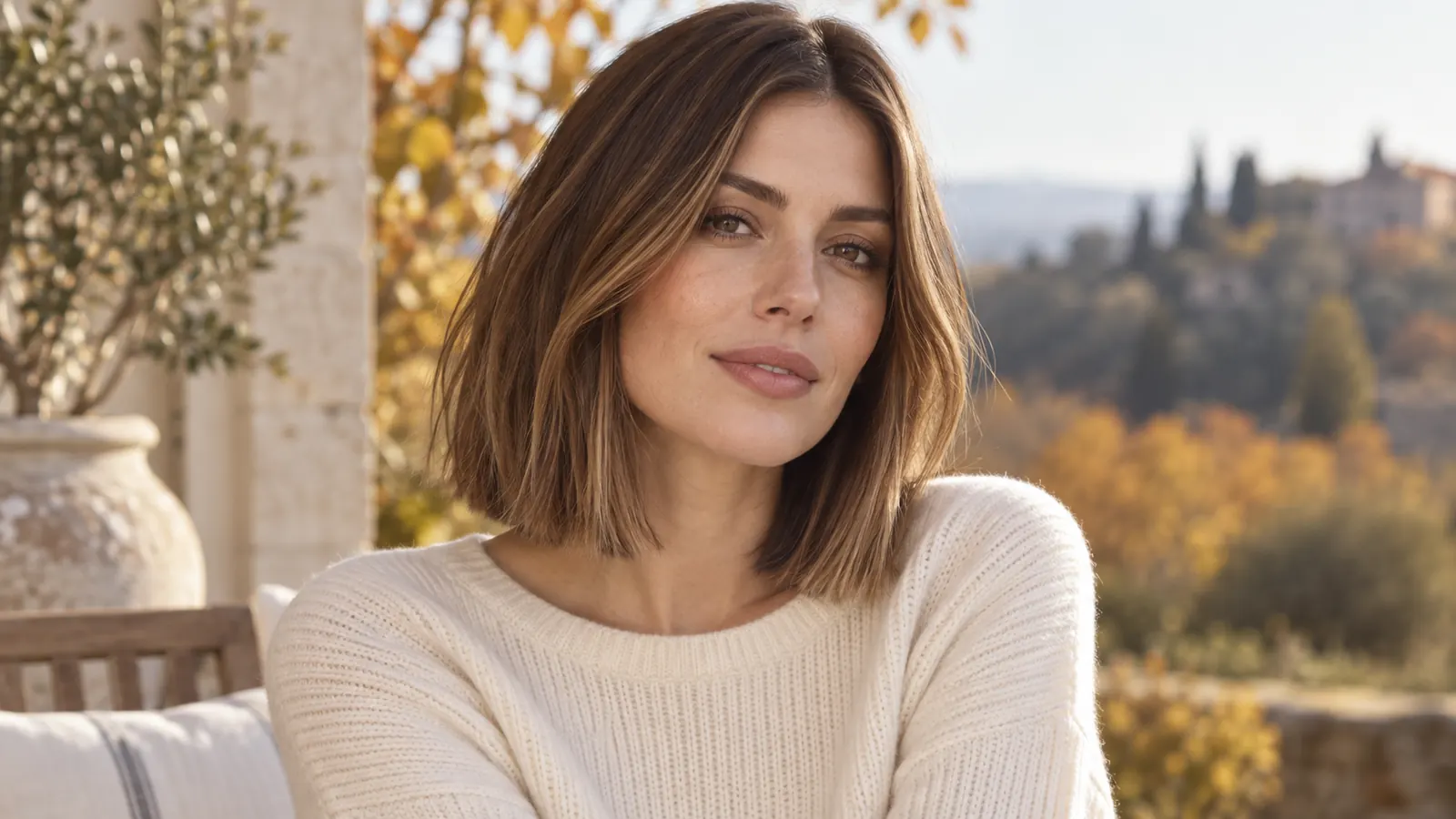
A collarbone blunt lob gives shoulder-length hair an intentional outline. The weight at the bottom makes finer lengths appear denser, and the almost-one-length shape looks polished even when the surface is not perfectly smooth.
Ask for a perimeter that grazes the collarbone when dry, with only invisible internal movement if the hair feels heavy. A center part emphasizes symmetry; a slightly off-center part softens a longer or more angular face.
Dry the roots in the direction you want them to sit, then bend the ends only slightly. A hard inward curl can make the cut feel dated, while a relaxed finish moves naturally against scarves and jackets.
How to get the look
- Set the part while hair is damp.
- Dry roots first and direct the lengths downward.
- Add one subtle bend through the mid-lengths, leaving ends calm.
Best for: Fine to medium straight or softly wavy hair and anyone who likes a clean, low-fuss silhouette.
2. Soft face-framing layers
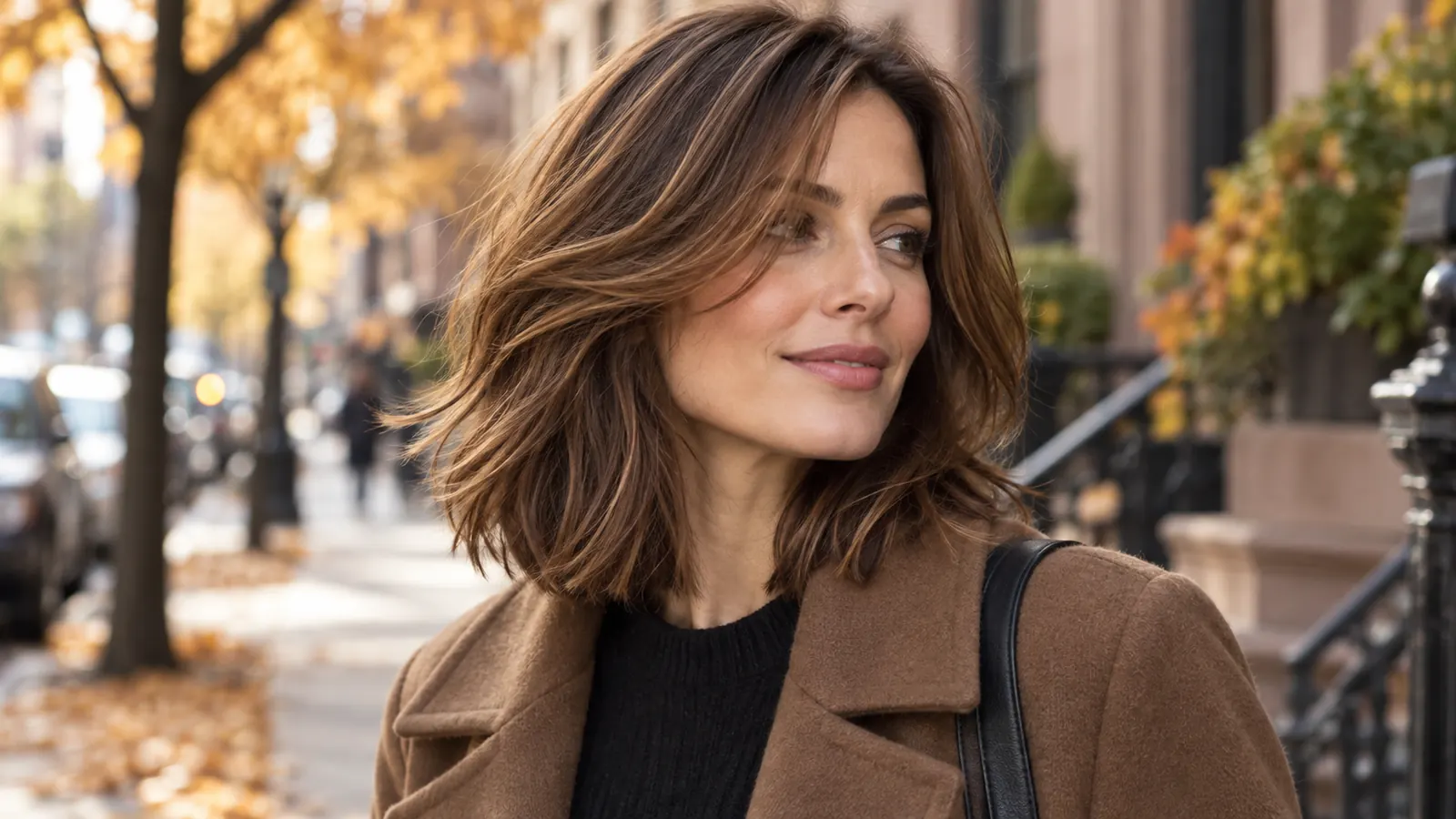
Face-framing layers create shape around the cheekbones and jaw while preserving length through the back. They are especially helpful when a one-length cut feels heavy near the face but you still want enough hair for a ponytail.
Start the shortest pieces at a point you are comfortable styling: cheekbone length gives visible lift, while jaw-length sections blend more quietly. Keep the layers connected so they do not resemble two isolated pieces.
Use a round brush or one loose turn of a styling tool away from the face. Once cool, break the shape with your fingers; the goal is an easy sweep, not a fixed curl.
How to get the look
- Choose a shortest layer based on your daily routine.
- Direct front sections away from the face while drying.
- Finish with a light cream only through the ends.
Best for: Medium or thick hair that needs movement around the face without losing overall fullness.
3. Curtain bangs with soft waves

Long curtain bangs give a shoulder-length cut a distinct focal point without demanding the daily precision of a short fringe. Their curved shape opens the face and connects naturally to soft waves.
Ask for the center to fall around the brow or cheekbone and the outer edges to reach the jaw. The longer the bang, the easier it is to tuck behind the ears or blend into a half-up style.
Dry the fringe forward first, then split it and direct each side away from the face. This prevents a stubborn center gap and keeps the result soft under hats.
How to get the look
- Dry the fringe before the rest of the hair.
- Move it forward, then sweep each side outward.
- Add irregular bends through the lengths and separate with fingers.
Best for: Straight to wavy hair and anyone willing to spend a few minutes directing the front pieces.
4. A rounded layered curl shape
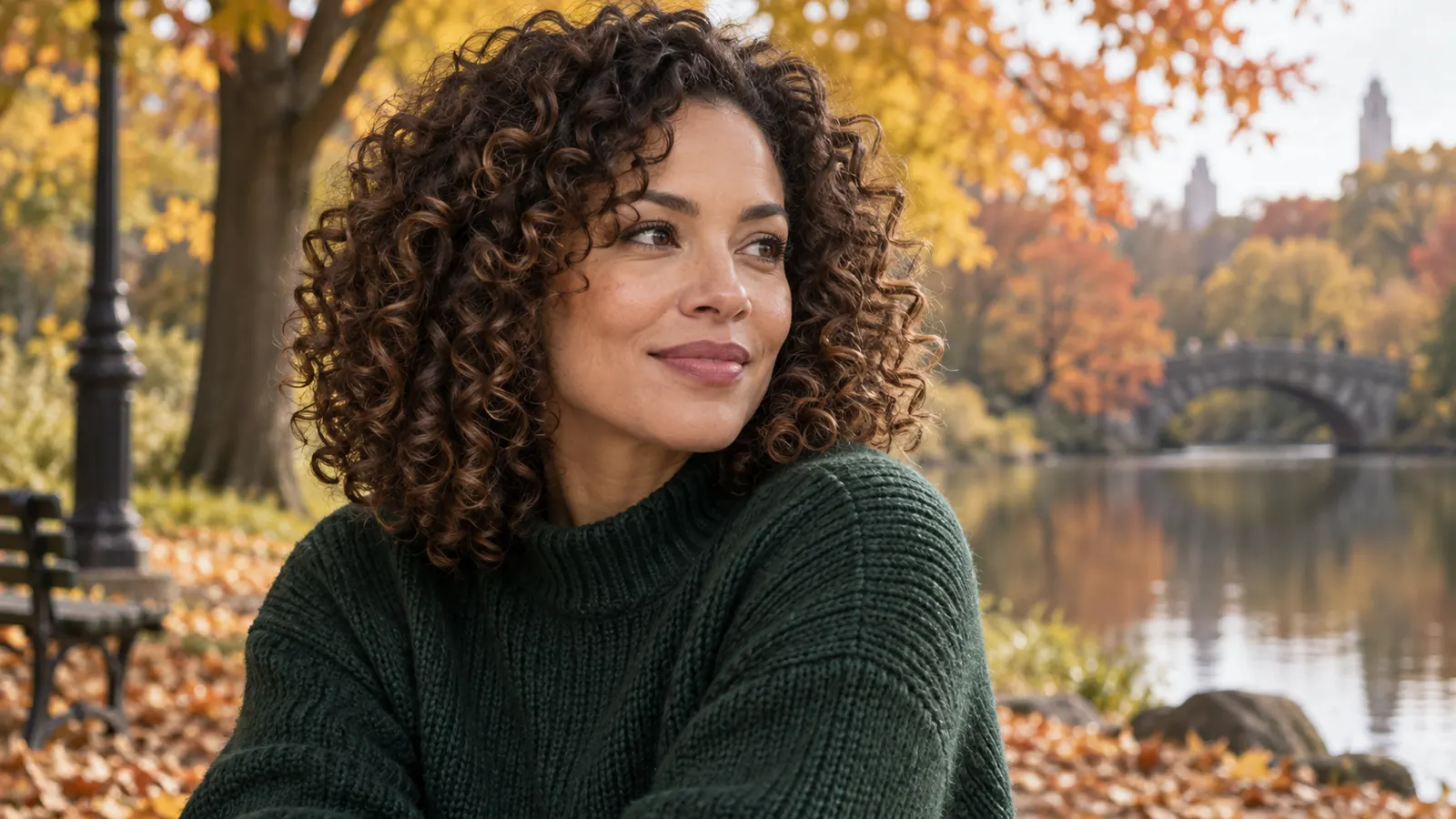
Shoulder-length curls look especially strong when the outline is rounded and the interior has enough lift. Thoughtful layers distribute volume from crown to ends rather than concentrating it along the bottom.
Discuss shrinkage and your preferred part before cutting. A dry or curl-by-curl approach can help a stylist see where individual sections naturally settle, although the best method depends on training and your pattern.
Apply styling product in sections to soaking-wet or very damp hair, then dry with minimal disruption. Refresh only the areas that have lost definition instead of re-wetting the entire head.
How to get the look
- Apply leave-in and hold product evenly in sections.
- Arrange the part and face frame before drying.
- Diffuse gently or air-dry without repeatedly touching the curls.
Best for: Curly hair that becomes bottom-heavy at one length and benefits from balanced volume.
5. The soft shoulder-length shag
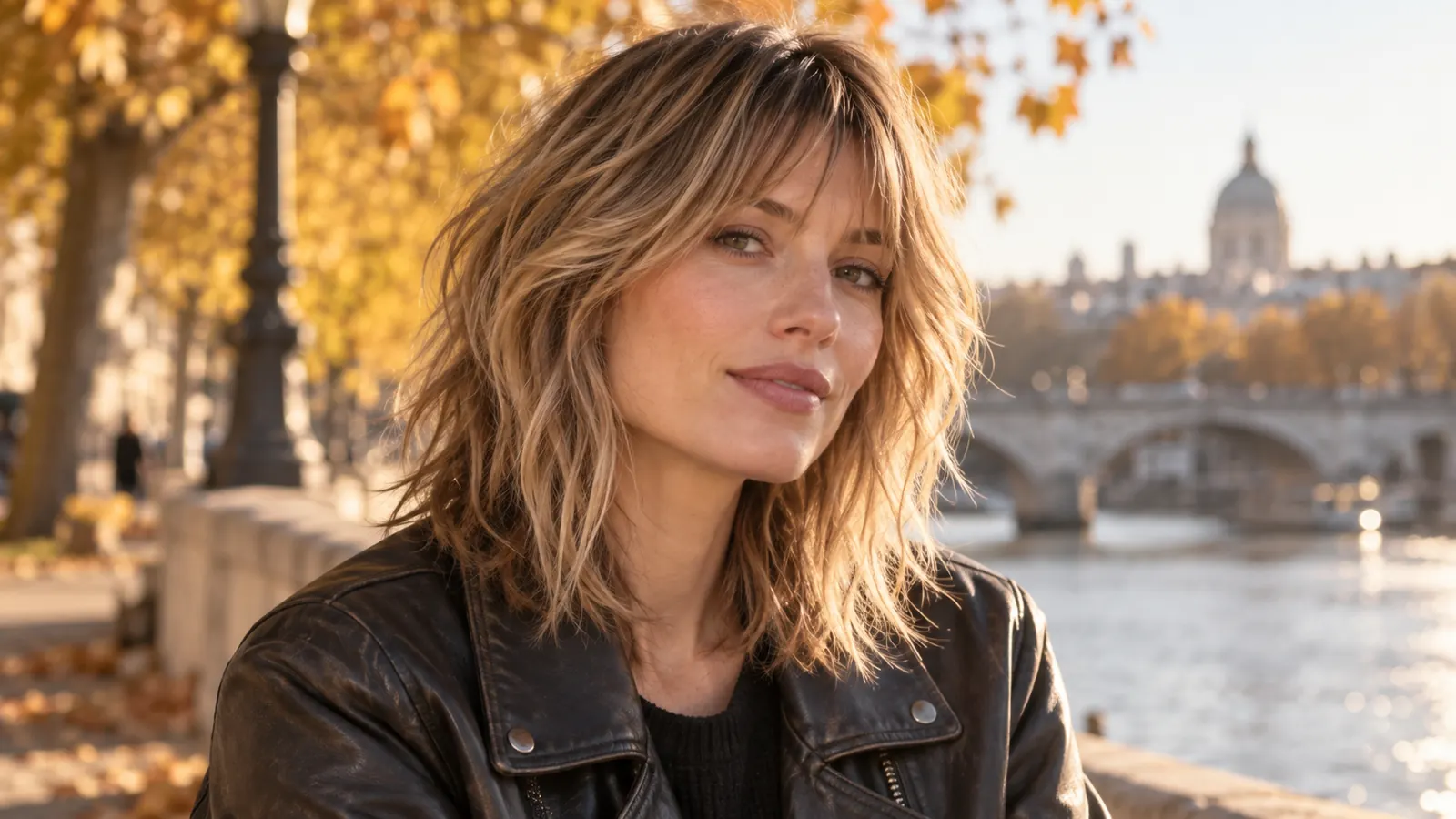
A soft shag introduces movement through the crown and sides while keeping enough length to feel versatile. It works best when the layers echo existing wave or texture instead of requiring a full curling routine.
Ask for blended crown layers and a fringe that can separate naturally. Very fine hair may need fewer layers to retain density; very thick hair may benefit from carefully placed internal removal.
Work a small amount of foam or light cream into damp hair and encourage the natural pattern. Over-polishing defeats the relaxed geometry that makes this cut appealing.
How to get the look
- Distribute lightweight product through damp hair.
- Lift the roots with fingers or a diffuser.
- Define only a few visible sections and leave the rest airy.
Best for: Wavy textures and people who prefer an intentionally undone finish.
6. The sleek side-part lob
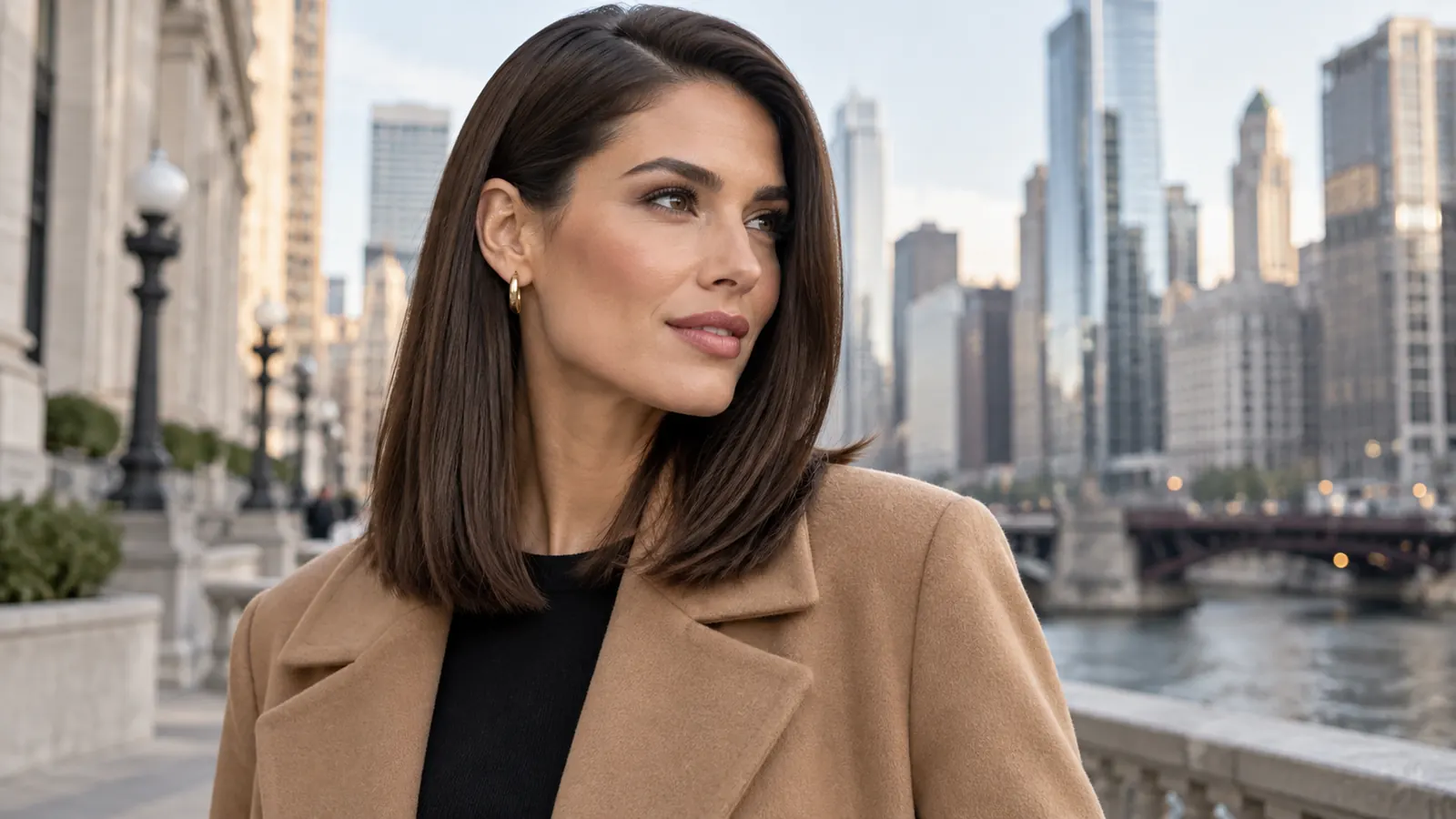
Changing the part can transform a familiar cut without altering the length. A sleek side part creates asymmetry, shows earrings and sits neatly with tailored outerwear.
Build smoothness in thin layers rather than coating the surface with heavy product. Tuck the smaller side behind the ear and keep a little lift on the fuller side so the shape does not collapse.
Humidity-resistant finishing cream can control flyaways, but apply it to hands first. The style should reflect light while the hair still moves.
How to get the look
- Create a clean side part on damp hair.
- Dry in sections with downward tension.
- Tuck the smaller side and smooth only visible flyaways.
Best for: Straight or blow-dried hair, work events and evenings when you want a fast change.
7. Loose brushed-out waves
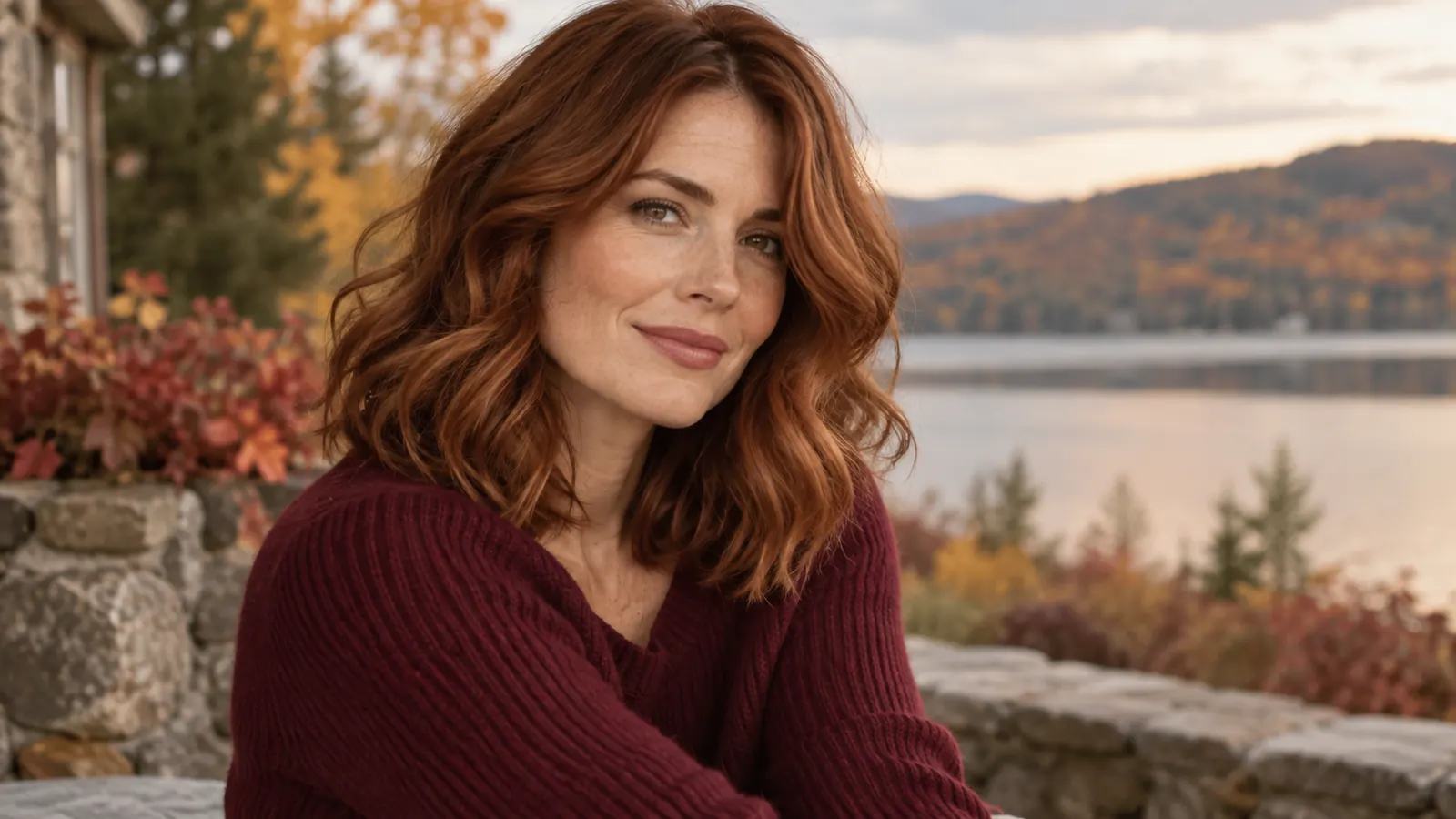
Brushed waves give a shoulder-length cut a fuller, more fluid outline. They complement fall knits without appearing overly formal when the ends remain relaxed.
Create alternating bends in sections that are wider than the styling tool, allow them to cool completely, then brush or comb through. Cooling is what helps the shape last without excessive spray.
Keep the wave strongest around eye and cheek level and lighter at the ends. This prevents the style from becoming triangular where it touches the shoulders.
How to get the look
- Apply heat protection and work on fully dry hair.
- Create loose alternating bends and let them cool.
- Brush through once, then shape with hands.
Best for: Straight and wavy hair that holds heat styling and occasions that need soft polish.
8. A textured lob with wispy bangs

Wispy bangs make a textured lob feel fresh without creating the solid line of a full fringe. The lightness is important: separated pieces blend more easily as they grow and are less likely to feel heavy under a hat.
Ask your stylist to account for cowlicks and natural lift before deciding the final length. Cutting the fringe too wide can remove useful density from the temples.
Refresh with a quick wash at the sink if necessary rather than adding layers of dry shampoo. Direct the roots, then let the tips separate naturally.
How to get the look
- Wet only the fringe when it needs resetting.
- Dry from side to side before placing it forward.
- Separate the ends with clean fingertips.
Best for: Straight to softly wavy hair and anyone who wants a visible change without losing length.
9. A softly shaped coily cut
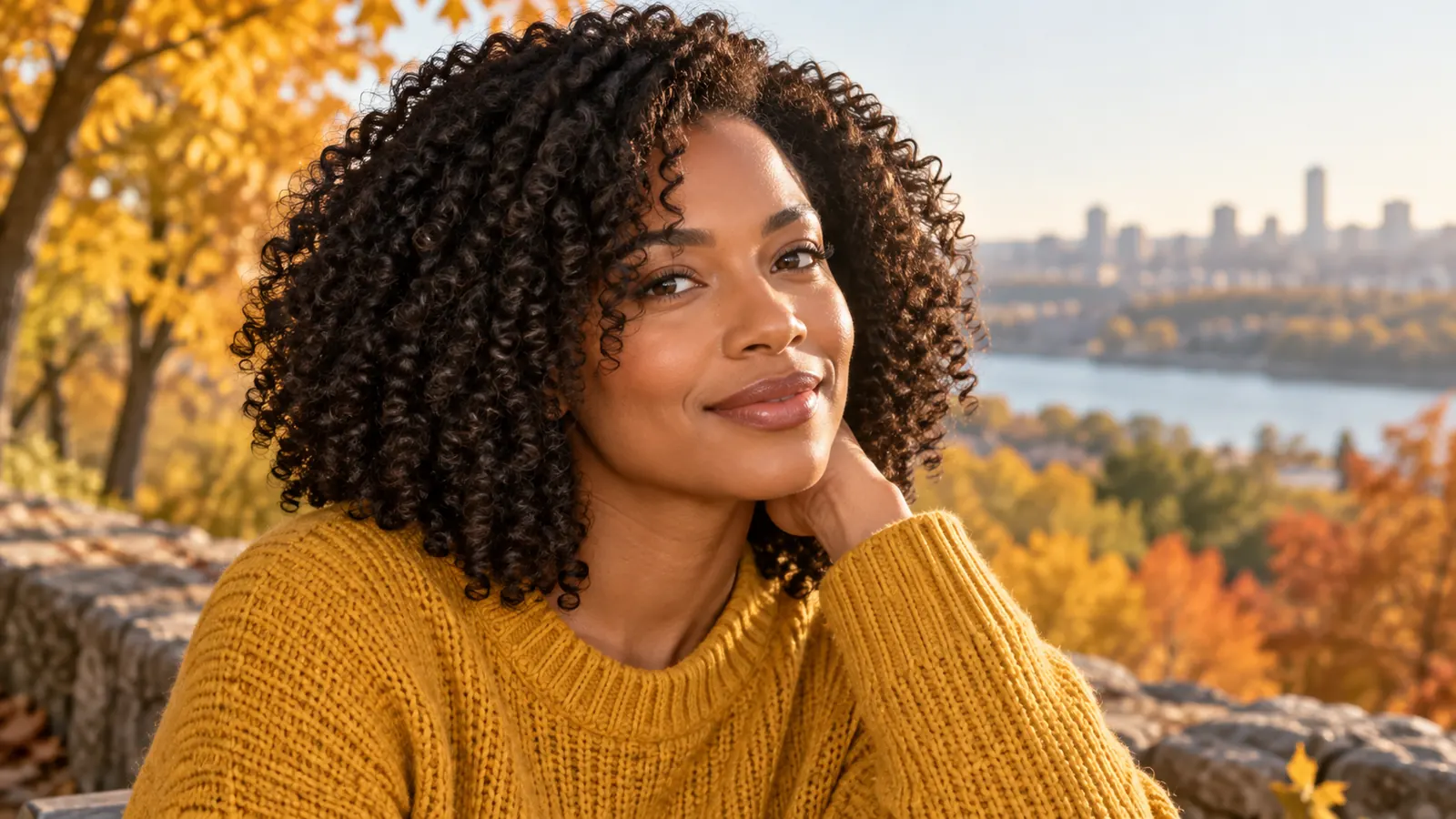
A shaped shoulder-length coily cut balances presence with versatility. The perimeter remains full, while carefully considered shorter areas prevent the crown from looking flat.
Plan the shape based on hair in its usual styled state and discuss how much shrinkage changes between wash day and later days. Visual balance matters more than forcing every section to the same stretched length.
Protect definition overnight with a loose method suited to your texture and refresh selectively. Constantly reworking the whole style can create unnecessary manipulation.
How to get the look
- Apply moisture and hold products in manageable sections.
- Set the final silhouette before fully drying.
- Lift roots gently only after the hair is dry.
Best for: Coily textures that suit a full shoulder-level outline with controlled crown lift.
10. The low half-up twist
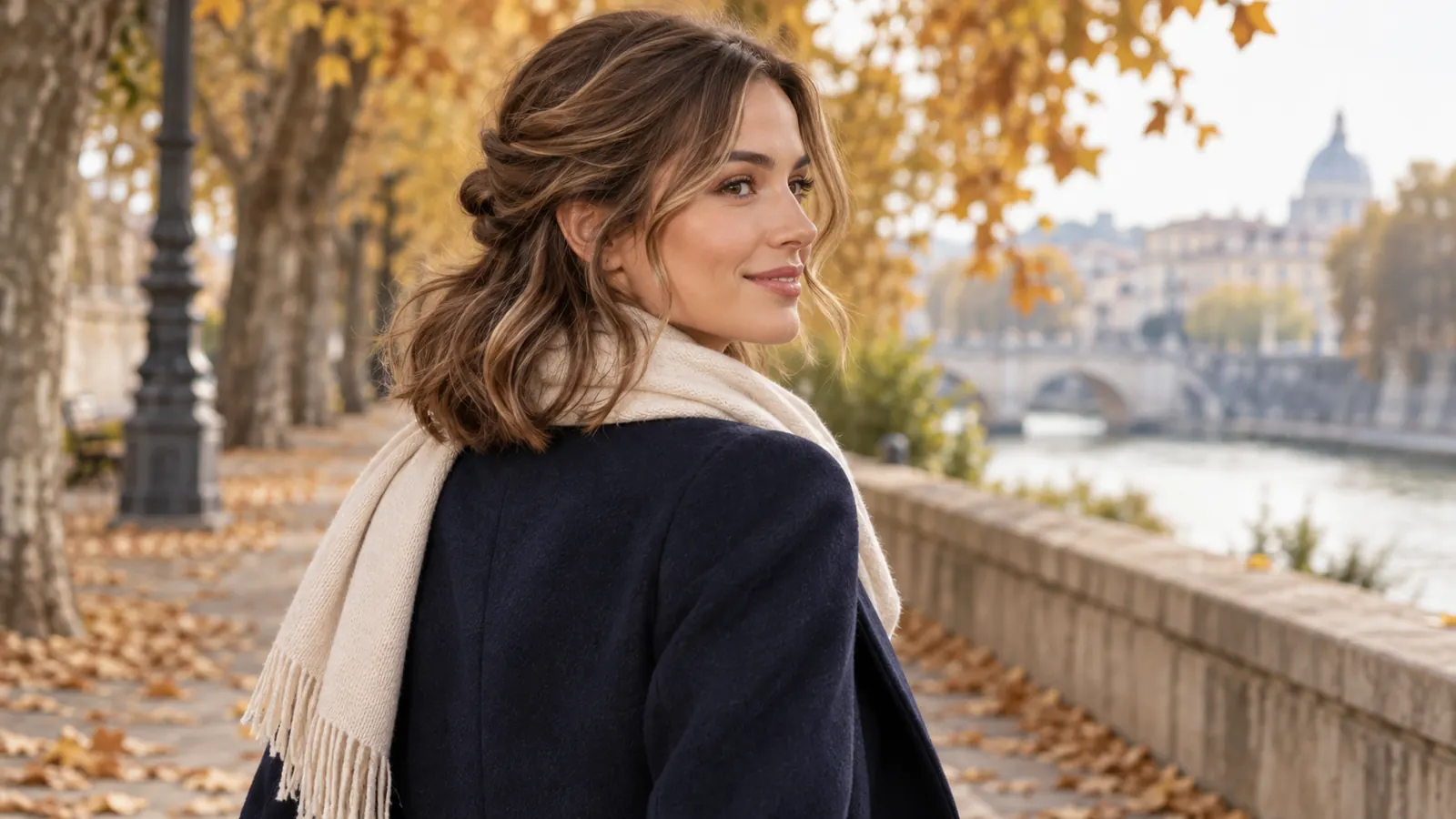
The half-up twist is one of the most practical ways to style shoulder-length hair because it secures short front layers while leaving the perimeter visible. A low placement feels softer and works with autumn accessories.
Collect modest sections from above the ears, twist them once at the back and secure with pins or a compact barrette. Taking too much hair can make the lower half look sparse.
Loosen the crown by millimeters rather than pulling large loops. A small adjustment gives comfort and shape while keeping the style secure through the day.
How to get the look
- Leave the crown and lower lengths loose.
- Bring two side sections back and twist once.
- Pin securely, then soften the crown with fingertips.
Best for: All shoulder-length textures that can be pinned, especially grown-out fringe and layers.
11. The relaxed low ponytail
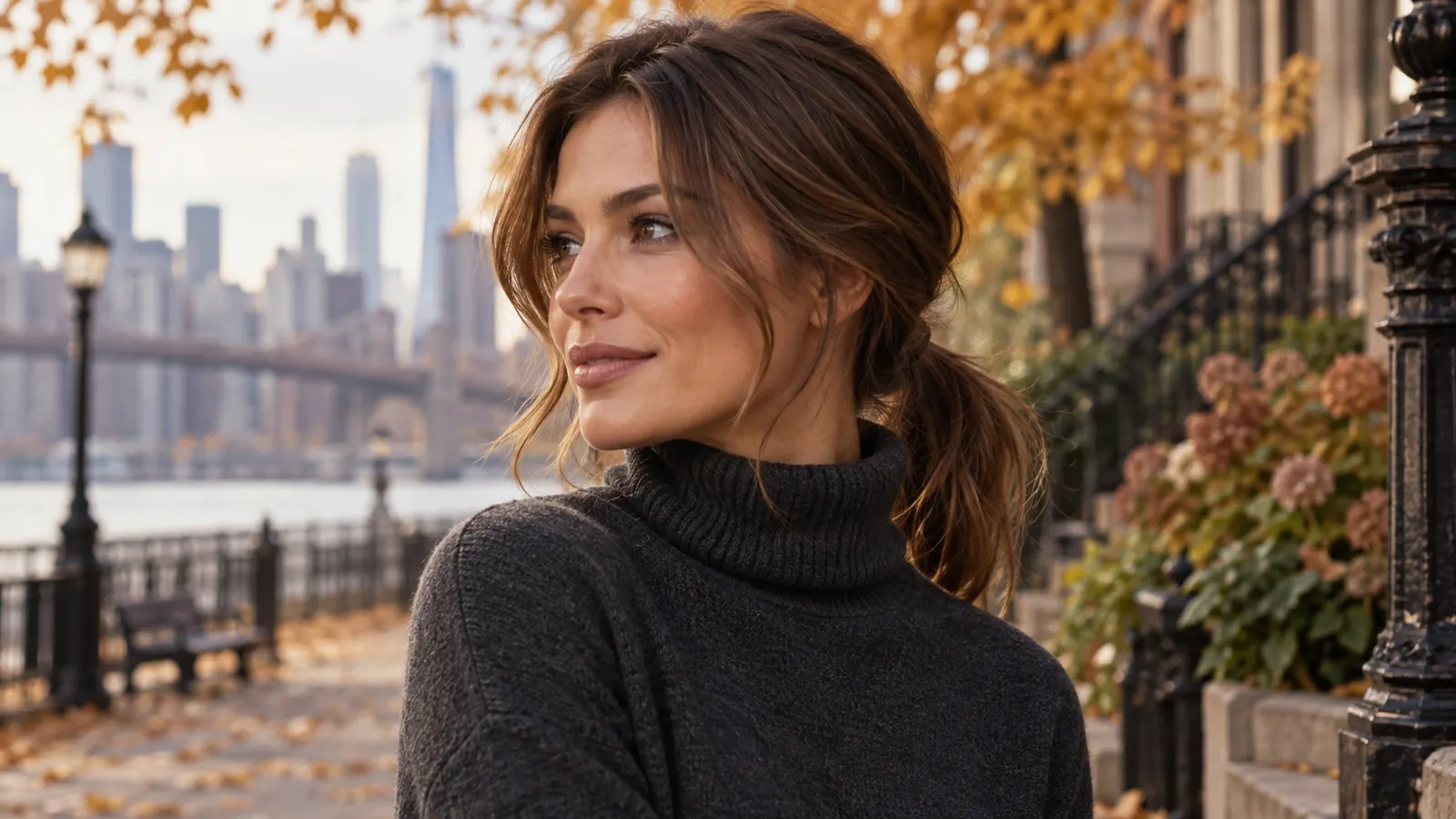
Even a short low ponytail is useful in fall, when wind and scarves can disturb loose hair. The smaller length looks polished when the fastening sits close to the nape and the surface retains gentle texture.
Use a slim elastic and release only narrow face-framing pieces. If shorter layers escape, treat them as part of the finish or secure them with discreet pins instead of coating the style in spray.
A small ribbon or barrette can add emphasis, but keep the accessory proportionate to the ponytail. Oversized pieces may overwhelm the compact shape.
How to get the look
- Set a center or soft side part.
- Gather hair gently at the nape.
- Loosen the crown and refine the front pieces.
Best for: Busy mornings, second-day hair and outfits with high necklines.
12. The softly asymmetrical lob
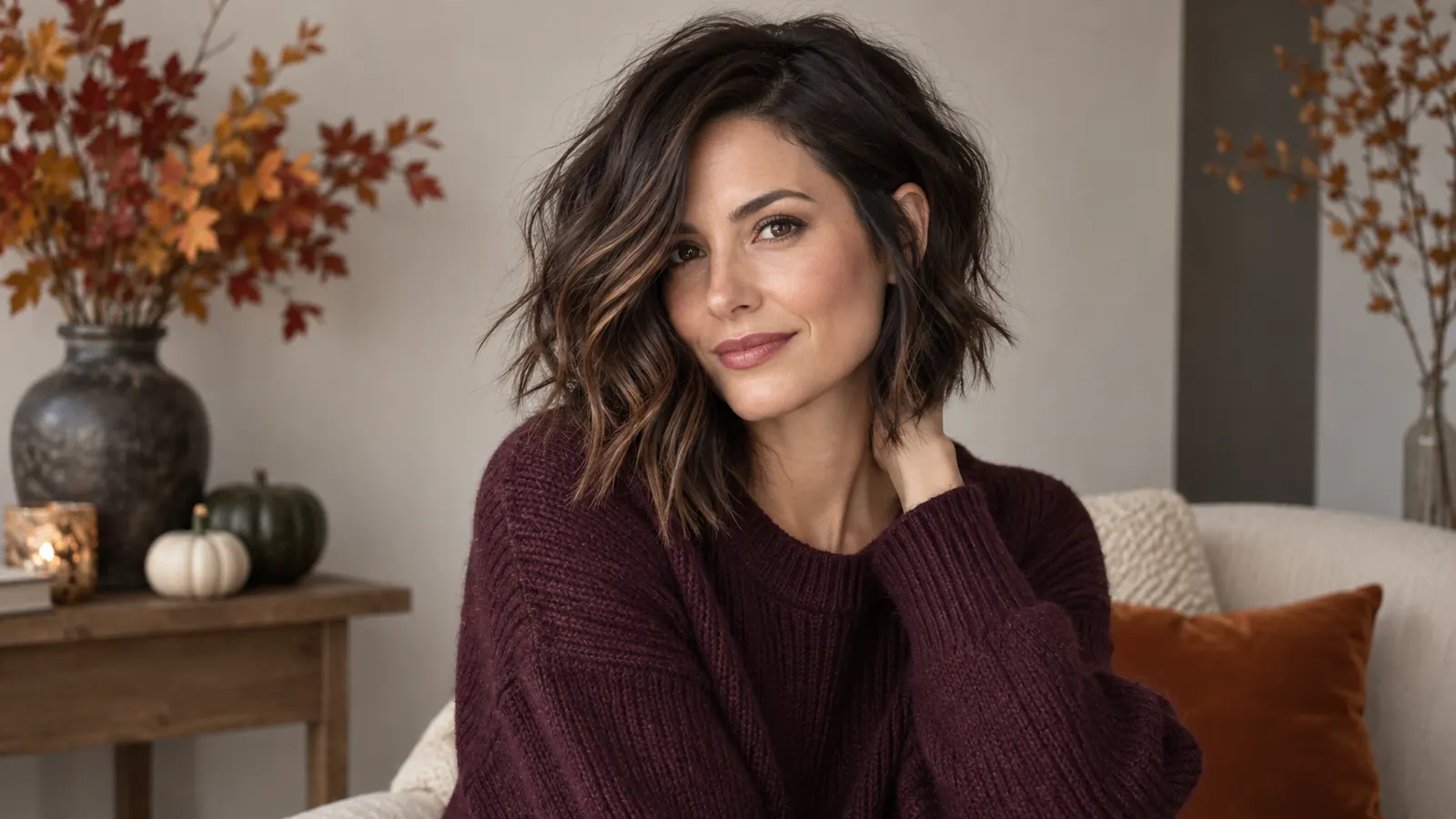
A softly asymmetrical lob adds direction to shoulder-length hair. The difference can be slight—just enough for one side to appear longer when the hair falls naturally.
Choose the part first because it determines how the angle reads. A subtle shape is more flexible if you regularly switch sides; a stronger angle works best when the part is consistent.
Style with a bend that follows the direction of the cut and keep the shorter side tucked or controlled. Regular perimeter trims help the intentional angle remain visible.
How to get the look
- Agree on the everyday part before cutting.
- Keep the length difference subtle for versatility.
- Style with one side tucked and soft movement on the longer side.
Best for: Straight or wavy hair and anyone who wants a modern change without bangs or heavy layering.
Frequently asked questions
What shoulder-length haircut is easiest to maintain?
A blunt or softly layered lob is usually straightforward because it can air-dry, take a simple bend or go into a low ponytail. The best option still depends on density, texture and how often you want trims.
How do I stop shoulder-length hair flipping on a coat collar?
Dry the ends in a deliberate direction, keep the perimeter slightly above or below the point where it rubs, and choose low half-up styles or ponytails on days with bulky outerwear.
Can shoulder-length hair work for curls and coils?
Yes. A stylist should plan the outline around shrinkage, density and your usual styling method. Rounded layers can distribute volume while preserving a full perimeter.
Anna reviewed the article for clarity, image relevance, realistic expectations and alignment with the Lively Edit editorial policy. Safety and health claims are checked against appropriate authoritative sources; the updated date changes only after a meaningful review.
Read our editorial process →The images in this story were created with AI as original editorial visuals and reviewed to ensure that each image is relevant to the accompanying guidance.